

RedCrocus Ugni 'Flambeau' Variegated Chilean Guava Live Plant – Evergreen Shrub, Edible Berries, Patio/Container, Pollinator Friendly 2 Gallon Nursery Pot
RedCrocus Ugni 'Flambeau' Variegated Chilean Guava Live Plant – Evergreen Shrub, Edible Berries, Patio/Container, Pollinator Friendly 2 Gallon Nursery Pot
Regular price
$180.00 USD
Regular price
$234.00 USD
Sale price
$180.00 USD
Unit price
per
Shipping calculated at checkout.
SKU:berf495-redcrocus
Couldn't load pickup availability
Ugni Flambeau
Description
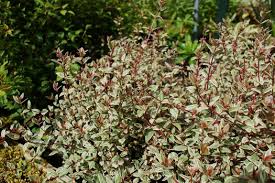
A compact, evergreen form of Chilean guava with cream‑variegated, pink‑tinted new growth. In late spring to summer it bears small, bell-shaped white to blush flowers followed by intensely aromatic, edible berries with a wild-strawberry flavor.
Suggested Uses
Perfect for containers, patio and courtyard gardens, low edible hedging, mixed borders, and sheltered coastal sites. Excellent for small-space fruiting and ornamental foliage interest year-round.
Plant Details
-
 Botanical Name: Ugni molinae 'Flambeau'
 -
 Common Name: Chilean Guava, Strawberry Myrtle (variegated)
 -
 Size & Growth: 3–5 ft tall x 3–4 ft wide (0.9–1.5 m); dense, naturally bushy; slow to moderate growth
 -
 Hardiness Zones: USDA 8–10 (7b with protection); protect from severe frost and cold winds
 -
 Foliage Type: Evergreen; cream‑variegated green leaves with pink flush in cool weather; aromatic when bruised
 -
 Bloom Time: Late spring to summer; fruit ripens late summer to autumn
 -
 Growth Rate: Slow to moderate
 -
 Light Requirements: Full sun to part shade; best fruiting in sun, provide afternoon shade in hot climates
 -
 Attracts Pollinators: Yes—flowers attract bees and other beneficials
 -
 Indoor Friendly: Yes, as a bright, cool-window container plant; ideal for overwintering indoors in colder zones
 -
 Container Friendly: Excellent—thrives in pots and planters with good drainage
 -
 Deer Resistant: Often avoided; may need protection where deer pressure is high
 -
 Pet Warning: No known toxicity; berries are edible. As with any plant, supervise nibblers.
 -
 Fragrant: Yes—flowers and ripe berries are sweetly aromatic
 -
 Cut Flower: Not typical; small sprigs with berries can accent petite arrangements
 -
 Grows Well With: Blueberries (Vaccinium), Gaultheria, heathers (Erica/Calluna), dwarf rhododendrons, ferns, Heuchera
Care Tips
-
 Planting Instructions: Plant in spring or early fall at the same depth as in the pot; space 24–36 in (60–90 cm); water in well and mulch 2–3 in (5–7 cm).
 -
 Soil Moisture: Keep evenly moist, especially in containers; avoid waterlogging and prolonged drought.
 -
 Soil Type: Free-draining, humus-rich, slightly acidic (pH 5.5–6.5) loam or high-quality container mix for acid lovers.
 -
 Humidity: Average outdoor humidity; indoors, provide good air flow and occasional misting in very dry air.
 -
 Pruning Instructions: Lightly trim after fruiting to shape; remove dead or crossing stems. Avoid hard cuts into old wood.
 -
 Winter Care: In zones 8–10, mulch roots and shelter from icy winds; in colder zones, grow in containers and overwinter frost-free with bright light.
 -
 Planting Depth: Set crown level with the soil surface; for pots, choose a container 2–3 in wider with ample drainage holes.
 -
 Fertilization: Feed lightly in spring with a slow-release, acid-forming fertilizer; avoid high nitrogen to preserve variegation and fruiting.
 -
 Special Care: Best fruit set in sun; provide afternoon shade in hot climates to prevent leaf scorch. Self-fertile, though multiple plants can increase yield. Monitor containers for scale or aphids.