

RedCrocus Helleborus 'Jacob' Christmas Rose Live Plant – White Winter-Blooming Evergreen Perennial for Shade, Attracts Early Pollinators, USDA Zones 3-8 6"
RedCrocus Helleborus 'Jacob' Christmas Rose Live Plant – White Winter-Blooming Evergreen Perennial for Shade, Attracts Early Pollinators, USDA Zones 3-8 6"
Regular price
$74.00 USD
Regular price
$96.20 USD
Sale price
$74.00 USD
Unit price
per
Shipping calculated at checkout.
SKU:berf343-redcrocus
Couldn't load pickup availability
Helleborus Jacob White Christmas Rose
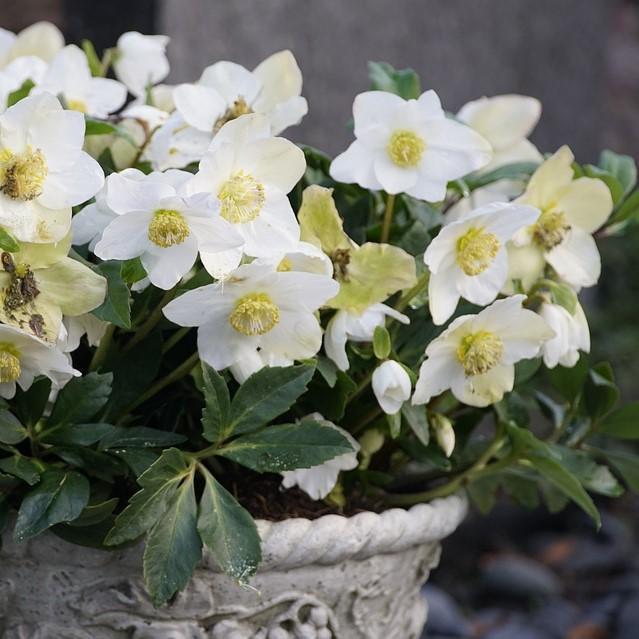
A compact, winter-blooming Helleborus noted for reliable early white flowers that age to soft pink and green. Ideal for containers and shade gardens.
Evergreen • Winter Interest • Shade Lover
Description
Overview
Helleborus Jacob White Christmas Rose, widely offered as HGC ‘Jacob’, is a compact selection of the classic Christmas Rose group prized for its exceptionally early display of pristine white, saucer-shaped blooms. Flowers often open around the holiday season in mild regions and continue through late winter into early spring, slowly flushing pink and green as they age. Thick, leathery, dark-green leaves form an elegant, evergreen clump that anchors winter containers and shade borders. Its nectar-rich blooms provide valuable forage for early pollinators on milder days, and the plant’s natural deer resistance makes it a dependable, low-maintenance choice for tough winter months.
Suggested Uses
Design Ideas
Winter porch and entry containers
Front of shade borders
Woodland and understory plantings
Along garden paths for winter interest
Mixed with spring bulbs
Cut for winter arrangements
Courtyards and patio planters
Naturalistic shade gardens
Plant Details
Key Attributes
-
 Botanical NameHelleborus Jacob White Christmas Rose (often sold as HGC ‘Jacob’)
-
 Common NameHelleborus Jacob; Christmas Rose
-
 Size & GrowthCompact clump; 9–12 in tall and 12–18 in wide; dense, evergreen mound over time.
-
 Hardiness ZonesUSDA Zones 3–8 (to 9 in cooler-summer climates); protect from severe freeze–thaw cycles.
-
 Foliage TypeEvergreen to semi-evergreen; thick, leathery, dark-green palmate leaves.
-
 Bloom TimeVery early; typically December–February (later in colder regions), lasting into early spring; flowers age pink/green.
-
 Growth RateModerate; reaches mature size in ~2–3 years, long-lived thereafter.
-
 Light RequirementsPartial shade to dappled shade; morning sun with afternoon shade preferred. Full shade reduces bloom count.
-
 Attracts PollinatorsYes—early bees and hoverflies visit on mild winter days for nectar and pollen.
-
 Indoor FriendlyBest outdoors; can be enjoyed indoors for 1–2 weeks as a holiday accent before planting outside in cool shade.
-
 Container FriendlyExcellent; choose a wide, well-drained pot (≥10–12 in) with gritty, humus-rich mix for winter drainage.
-
 Deer ResistantYes; foliage is unpalatable. Also generally rabbit resistant.
-
 Pet WarningToxic if ingested; sap can irritate skin. Keep away from pets and children; wear gloves when handling.
-
 FragrantLight, fresh fragrance in mild weather; subtle rather than strong.
-
 Cut FlowerYes; long-lasting. For best vase life, cut when stamens have dropped and seed pods begin to form; sear stems to reduce sap bleed.
-
 Grows Well WithGrows Well With Snowdrops, Crocus, Cyclamen coum, Heuchera, Epimedium, ferns, Carex, dwarf conifers, spring bulbs.
Care Tips
How to Grow
-
 Planting InstructionsPlant with the crown at or just above soil level—never deeply. Loosen soil 12–15 in deep and mix in compost. Space ~18 in apart. Water in well and mulch lightly, keeping mulch off the crown.
-
 Soil MoistureKeep evenly moist the first growing season; once established, moderately drought tolerant. Avoid waterlogged soils, especially in winter.
-
 Soil TypeRich, humus-laden, well-drained soil. Neutral to slightly alkaline is ideal (add garden lime if very acidic). For containers, use a high-quality mix with 10–20% grit or perlite for drainage.
-
 HumidityAverage garden humidity is fine. Ensure air circulation and avoid crowded, persistently wet foliage to reduce leaf spot issues.
-
 Pruning InstructionsIn late winter, remove older, tattered leaves at the base before new buds and blooms emerge. Deadhead after flowering if you want to prevent self-seeding and keep plants tidy.
-
 Winter CareMulch 2–3 in once the ground is cold to moderate freeze–thaw. Shelter from harsh winter winds if possible. For containers, insulate pots or move to a sheltered, unheated area during severe cold spells.
-
 Planting DepthTop of root ball level with the soil line; do not bury the crown. In containers, leave a 0.5–1 in watering lip at the rim.
-
 FertilizationTop-dress with compost each spring. Apply a balanced, slow-release fertilizer once in early spring; avoid high nitrogen late in the season.
-
 Special CareWear gloves when handling (sap can irritate). Hellebores dislike disturbance—avoid frequent transplanting. Divide only if necessary in early spring. Watch for aphids, hellebore leaf spot, and crown rot in overly wet soils; remove fallen debris to reduce disease pressure.