

RedCrocus Peace Lily Live Houseplant – Spathiphyllum, Easy-Care Indoor Plant for Low Light, White Blooming Foliage 4" Pot
RedCrocus Peace Lily Live Houseplant – Spathiphyllum, Easy-Care Indoor Plant for Low Light, White Blooming Foliage 4" Pot
Regular price
$40.00 USD
Regular price
$52.00 USD
Sale price
$40.00 USD
Unit price
per
Shipping calculated at checkout.
SKU:berf22d-redcrocus
Couldn't load pickup availability
Spathiphyllum Peace Lily
Evergreen • Shade-tolerant • Houseplant Classic
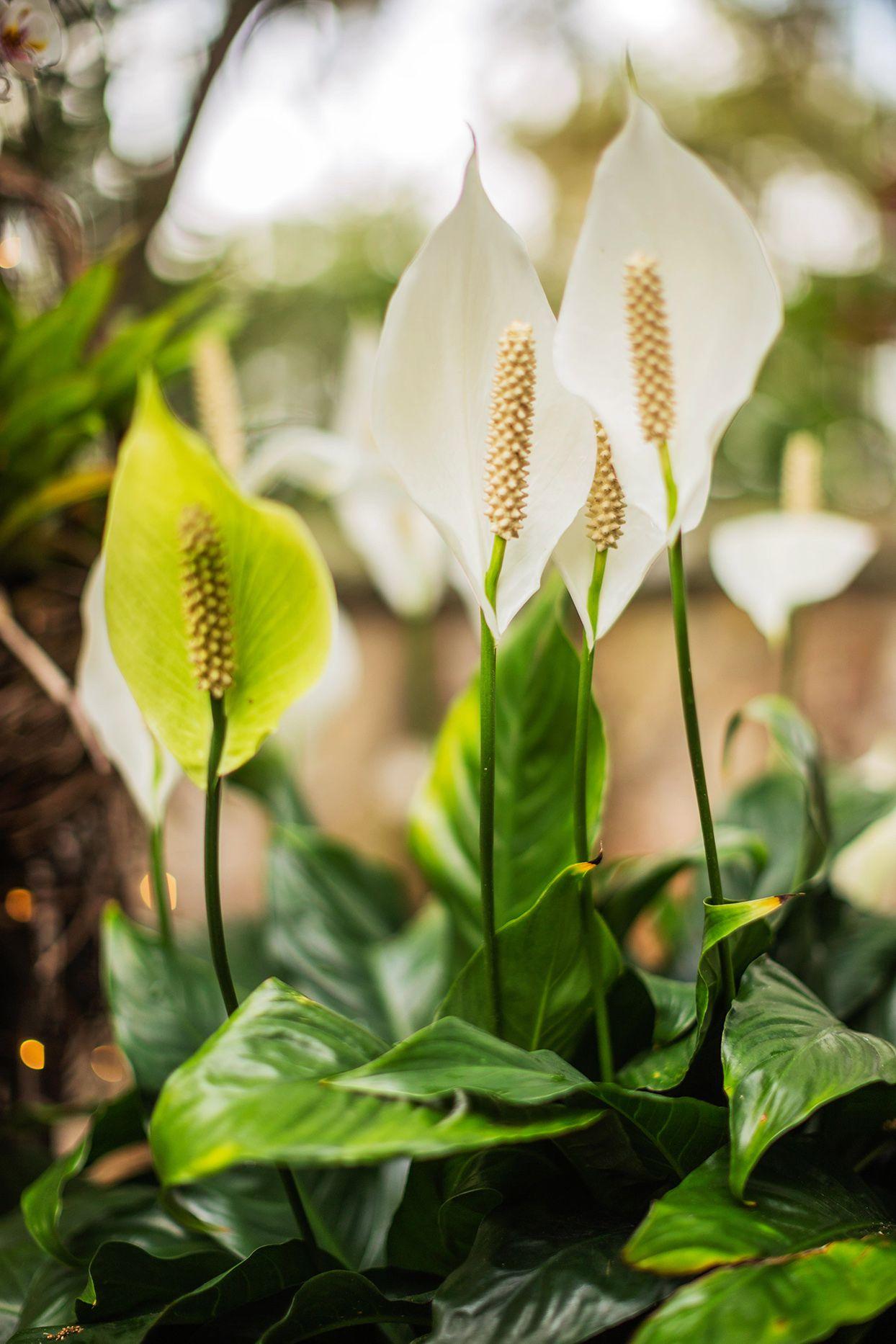
A beloved tropical houseplant prized for its glossy, deep-green leaves and elegant white spathes. Peace lilies are adaptable, forgiving, and excellent for bright to moderately lit interiors. They thrive slightly pot-bound, communicate thirst by a gentle wilt, and reward good light with long-lasting blooms.
Description
Peace lily (Spathiphyllum) forms graceful clumps of arching, lance-shaped foliage and periodically produces white, hooded “flowers” (a spathe surrounding a spadix) that can last for weeks. It excels as an indoor plant thanks to its tolerance of lower light and its preference for consistent, even moisture and moderate humidity. With brighter indirect light and light, regular feeding, plants bloom more heavily—often in flushes from spring into summer, with intermittent blooms the rest of the year.
Plant Details
-
 Botanical NameSpathiphyllum Peace Lily
-
 Common NameSpathiphyllum; commonly called Peace Lily
-
 Size & GrowthTypically 1–3 ft tall and wide indoors; larger cultivars can reach 3–4 ft. Forms dense clumps from divisions.
-
 Hardiness ZonesUSDA 10–12 outdoors year-round; widely grown indoors elsewhere. Protect below 55°F (13°C).
-
 Foliage TypeEvergreen, glossy, lanceolate leaves on short petioles; elegant, arching habit.
-
 Bloom TimeIntermittent year-round indoors with peak flush in spring–summer; each spathe typically lasts 4–8 weeks.
-
 Growth RateModerate indoors; faster in warm, bright, humid conditions.
-
 Light RequirementsBright, indirect to medium light; tolerates low light (fewer blooms). Avoid harsh direct sun.
-
 Attracts PollinatorsNot a primary pollinator plant indoors; outdoors may draw small insects to the spadix.
-
 Indoor FriendlyExcellent houseplant; adapts well to interior light and humidity.
-
 Container FriendlyThrives in containers; prefers being slightly pot-bound for best blooming.
-
 Deer ResistantModerately resistant where grown outdoors; generally avoided but not guaranteed.
-
 Pet WarningToxic to pets if chewed (insoluble calcium oxalates). May cause oral irritation, drooling, vomiting.
-
 FragrantUsually not fragrant; some cultivars may have a faint scent.
-
 Cut FlowerYes—spathes are long-lasting in arrangements (often 1–3 weeks).
-
 Grows Well WithGrows Well With Aglaonema, Philodendron, Pothos, Ferns (Nephrolepis), Calathea/Maranta, Dracaena, ZZ Plant.
Care Tips
-
 Planting InstructionsUse a pot with drainage; set the crown at soil level and firm gently. Choose a snug pot (1–2 in / 2.5–5 cm wider than the root ball). Water to settle, then drain excess.
-
 Soil MoistureKeep evenly moist but not soggy. Water when the top 1–2 inches (2.5–5 cm) of mix feels dry. Use room‑temperature, low‑mineral or filtered water when possible; empty saucers after watering.
-
 Soil TypeRich, airy, well‑draining mix: 2 parts quality potting mix, 1 part fine orchid bark, 1 part perlite. Slightly acidic pH (~5.5–6.5).
-
 HumidityPrefers 50–60%+ relative humidity. Group plants, use a pebble tray, or run a humidifier. Avoid cold drafts; tip burn may indicate low humidity or mineral sensitivity.
-
 Pruning InstructionsDeadhead spent spathes by cutting at the base. Remove yellowing or damaged leaves. Wipe dust from foliage with a damp cloth to keep leaves glossy and breathing well.
-
 Winter CareProvide brightest indirect light, reduce watering frequency, and hold fertilizer. Keep above 60°F (15.5°C); protect from drafts and cold windows.
-
 Planting DepthPlant with the crown at the soil surface; do not bury stems. Rhizome should sit just at or slightly below the surface.
-
 FertilizationFeed monthly in spring–summer with a balanced liquid at 1/4–1/2 strength; every 6–8 weeks in fall–winter. Flush the potting mix periodically to prevent salt build‑up.
-
 Special CareRepot every 12–24 months or when roots circle the pot; divide clumps in spring. Watch for mealybugs and spider mites. Use low‑fluoride water if leaf tips brown; rotate the plant for even growth and provide brighter light to encourage blooming.