

RedCrocus Hinoki Cypress 'Verdoni' (Chamaecyparis obtusa) - Dwarf Golden Evergreen, Compact Conifer for Gardens & Containers - Live Plant 2 Gallon Nursery Pot
RedCrocus Hinoki Cypress 'Verdoni' (Chamaecyparis obtusa) - Dwarf Golden Evergreen, Compact Conifer for Gardens & Containers - Live Plant 2 Gallon Nursery Pot
Regular price
$140.00 USD
Regular price
$182.00 USD
Sale price
$140.00 USD
Unit price
per
Shipping calculated at checkout.
SKU:berf04a-redcrocus
Couldn't load pickup availability
Chamaecyparis Obtusa ‘Verdoni’
Dwarf Evergreen Conifer
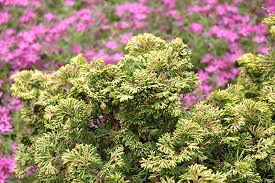
A compact, golden Hinoki cypress prized for its elegant, fan-like foliage, year-round structure, and reliable garden performance.
Description
Chamaecyparis obtusa ‘Verdoni’ (Hinoki cypress) is a refined, slow-growing dwarf selection noted for its glowing golden to chartreuse foliage held in graceful, layered fans. Naturally forming a compact pyramidal to broadly conical outline, ‘Verdoni’ provides four-season texture and color, brightening beds and borders even in winter. Best color develops in ample light, yet the plant maintains its tidy habit with minimal pruning. A dependable choice for small gardens, containers, and Japanese-inspired designs.
In hot summer regions, offer afternoon shade to prevent foliage scorch and preserve the rich golden tones.
Suggested Uses
- Specimen or Accent
- Foundation Planting
- Mixed Conifer Border
- Japanese-Inspired Gardens
- Rock & Alpine Gardens
- Year-Round Structure
- Container & Patio Planter
- Small-Space Gardens
- Bonsai Training
Plant Details

Botanical Name
Chamaecyparis obtusa ‘Verdoni’

Common Name
Verdoni Hinoki Cypress; Golden Hinoki Cypress (‘Verdoni’)

Size & Growth
Typically 3–5 ft tall × 2–3 ft wide in 10 years; may reach 6–8 ft tall × 4–5 ft wide at maturity. Slow, compact habit.

Hardiness Zones
USDA Zones 5–8 (protect from desiccating winter winds in colder sites).

Foliage Type
Evergreen, flattened fan-like sprays with golden-yellow tips; may bronze slightly in winter cold.

Bloom Time
Non-flowering; inconspicuous pollen and seed cones in spring.

Growth Rate
Slow (approximately 3–6 in/7–15 cm per year under average conditions).

Light Requirements
Full sun to light/partial shade; best color in full sun with afternoon shade in hot climates.

Attracts Pollinators
Low—wind-pollinated conifer; not a primary nectar source for bees or butterflies.

Indoor Friendly
Not recommended; requires outdoor conditions and excellent light/airflow.

Container Friendly
Yes—excellent in containers for many years due to its dwarf, slow habit; ensure sharp drainage and winter root protection.

Deer Resistant
Generally deer resistant (not deer-proof).

Pet Warning
Considered non-toxic to cats and dogs; ingestion of plant material may cause mild GI upset—discourage chewing.

Fragrant
Foliage has a mild, pleasant resinous scent when rubbed; no showy fragrant flowers.

Cut Flower
Not a cut flower; foliage is useful as long-lasting evergreen greenery in arrangements and wreaths.

Grows Well With
Rhododendron, Azalea, Pieris, Japanese Maple, Erica/Calluna (heath & heather), dwarf conifers, Heuchera, Hosta, ferns, ornamental grasses.
Care Tips

Planting Instructions
Plant in spring or early fall. Dig a hole 2× as wide as the root ball and no deeper. Set the root flare level with or slightly above the surrounding soil. Backfill with native soil (amend only if drainage is poor). Water to settle and mulch 2–3 in, keeping mulch off the trunk.

Soil Moisture
Keep evenly moist but never waterlogged. During establishment (first 1–2 years), water deeply when the top 1–2 in of soil are dry; afterward, aim for about 1 in of water per week in dry periods.

Soil Type
Well-drained loam or sandy loam; slightly acidic to neutral (ideal pH ~5.5–6.8). Avoid heavy clay or standing water; elevate in raised beds if drainage is marginal.

Humidity
Tolerates average outdoor humidity. Protect from hot, dry winds; maintain an organic mulch layer to conserve moisture and moderate root temperatures.

Pruning Instructions
Minimal pruning required. Lightly thin or tip-prune after the spring flush (late spring to early summer) to maintain shape. Do not cut into old, leafless wood. Remove dead or damaged twigs anytime.

Winter Care
In exposed sites, water deeply before ground freezes and apply 2–3 in of mulch. Consider wind protection (burlap screen) in Zone 5 to minimize bronzing and winter burn, especially for container plants.

Planting Depth
Set the top of the root ball level with the surrounding grade; never bury the trunk. Ensure the root flare is visible at the soil surface.

Fertilization
Feed lightly in early spring with a slow‑release, balanced or acid‑formulating fertilizer (per label rates). Avoid high‑nitrogen products and do not fertilize after midsummer.

Special Care
Provide afternoon shade in hot climates to prevent scorch. Ensure excellent drainage, especially in containers. Monitor for spider mites in drought; hose-rinse foliage or use appropriate controls if needed.
Quick Facts
Best Color
Brightest gold in full sun with protection from harsh afternoon rays in hot zones.
Longevity
Long-lived with steady, compact growth—ideal for low-maintenance structure.
Container Tip
Use a high‑quality, sharply draining potting mix; pot up slowly as the plant grows.
Wildlife
Typically ignored by deer; safe near browsing corridors when alternatives are available.