

RedCrocus Yoshino Japanese Cedar (Cryptomeria japonica 'Yoshino') Live Tree - Fast-Growing Evergreen Conifer for Privacy Screens, Deer Resistant, Full Sun, USDA Zones 5-9 5 Gallon Nursery Pot
RedCrocus Yoshino Japanese Cedar (Cryptomeria japonica 'Yoshino') Live Tree - Fast-Growing Evergreen Conifer for Privacy Screens, Deer Resistant, Full Sun, USDA Zones 5-9 5 Gallon Nursery Pot
Regular price
$260.00 USD
Regular price
$338.00 USD
Sale price
$260.00 USD
Unit price
per
Shipping calculated at checkout.
SKU:berebdf-redcrocus
Couldn't load pickup availability
Cryptomeria Yoshino
Description
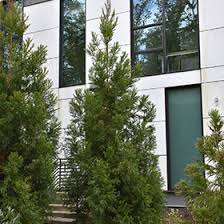
Upright, pyramidal selection of Japanese cedar with soft, awl-like evergreen foliage that is bright to medium green in the growing season and often bronzes to coppery tones in winter cold. Forms a dense screen with graceful, slightly pendulous branch tips. Fast-growing and long-lived when planted in well-drained, slightly acidic soil.
Suggested Uses
Excellent as a tall hedge or privacy screen, specimen, windbreak, or evergreen backdrop in mixed borders. Suitable for foundation corners and as a focal conifer in Asian or woodland-style gardens.
Plant Details
-
 Botanical Name: Cryptomeria japonica 'Yoshino'
 -
 Common Name: Yoshino Japanese Cedar
 -
 Size & Growth: 30–40 ft tall, 15–20 ft wide; pyramidal; typically 1–2+ ft/year in favorable conditions
 -
 Hardiness Zones: USDA 5–9
 -
 Foliage Type: Evergreen conifer; soft, awl-like needles; winter bronzing possible
 -
 Bloom Time: Not showy; produces pollen/seed cones late winter to spring (wind-pollinated)
 -
 Growth Rate: Fast once established (moderate in cooler climates)
 -
 Light Requirements: Full sun to light shade; best density in full sun with afternoon shade in hot summers
 -
 Attracts Pollinators: No; wind-pollinated conifer
 -
 Indoor Friendly: No; outdoor landscape tree
 -
 Container Friendly: Yes when young in very large containers; ultimately needs in-ground space
 -
 Deer Resistant: Generally deer resistant
 -
 Pet Warning: Non-toxic to cats and dogs; ingestion may cause mild GI upset
 -
 Fragrant: Foliage and wood subtly aromatic when crushed
 -
 Cut Flower: Cut boughs useful for winter greenery and arrangements
 -
 Grows Well With: Azalea, Rhododendron, Camellia, Pieris, Japanese Maple, Hydrangea macrophylla, Nandina
Care Tips
-
 Planting Instructions: Plant in spring or fall. Space 12–18 ft apart for screens. Set the root flare level with or slightly above grade; backfill with native soil, water deeply, and mulch 2–3 in (keep mulch off trunk).
 -
 Soil Moisture: Keep evenly moist the first 1–2 years; deep water weekly in drought. Tolerates brief dry spells once established; avoid waterlogged sites.
 -
 Soil Type: Well-drained, slightly acidic loam (pH ~5.0–6.5). Amend heavy clay to improve drainage; do not plant in standing water.
 -
 Humidity: Appreciates ambient humidity; protect from drying winter winds in colder zones to reduce bronzing and tip burn.
 -
 Pruning Instructions: Minimal pruning needed. Lightly thin or shape in late winter to early spring; avoid hard shearing into old wood. Remove dead or crossing branches as needed.
 -
 Winter Care: Maintain 2–3 in mulch, water well before ground freezes, and site away from strong winter winds. Some seasonal bronzing is normal and not harmful.
 -
 Planting Depth: Keep trunk flare visible; do not bury the crown. For pot-bound plants, tease or score circling roots before planting.
 -
 Fertilization: Light feeder. Apply a slow-release, balanced fertilizer for acid-loving plants in early spring only if a soil test indicates need; avoid late-summer feeding.
 -
 Special Care: Ensure good air flow; avoid overhead irrigation in evening. Monitor for spider mites in hot, dry weather and bagworms; treat promptly. Stake only if necessary in very windy sites.