

RedCrocus Pieris 'Mountain Fire' Live Evergreen Shrub – Fiery Red New Growth, White Spring Bells – Shade/Part Sun, Acid-Loving – Year-Round Interest for Woodland Borders, Foundations, Containers 1 Quart Pot
RedCrocus Pieris 'Mountain Fire' Live Evergreen Shrub – Fiery Red New Growth, White Spring Bells – Shade/Part Sun, Acid-Loving – Year-Round Interest for Woodland Borders, Foundations, Containers 1 Quart Pot
Regular price
$130.00 USD
Regular price
$169.00 USD
Sale price
$130.00 USD
Unit price
per
Shipping calculated at checkout.
SKU:bere786-redcrocus
Couldn't load pickup availability
Pieris Mountain Fire
Year-round evergreen interest with fiery red new growth and graceful spring bloom
 Late winter to early spring bloomer
Description
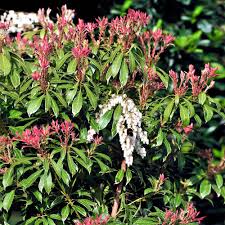
Pieris Mountain Fire is a refined, evergreen shrub celebrated for its brilliant flush of fiery red new foliage that matures to deep, glossy green. In late winter to early spring, it bears cascading trusses of small, white, bell-shaped flowers that illuminate shaded borders and woodland gardens. Naturally dense and well-branched, this selection offers four-season structure, vivid color transitions, and a polished look with minimal shaping. Best performance is in acidic, humus-rich soil with morning sun and afternoon shade.
Suggested Uses
- Woodland and shade borders
- Foundation and entry plantings
- Mixed shrub plantings with rhododendrons
- Container specimen (acid-loving mix)
- Low hedge or informal screen
- Understory with Japanese maples
- Courtyards with morning sun
- Early-season pollinator support
Plant Details

Botanical Name
Pieris Mountain Fire

Common Name
Pieris Mountain Fire

Size & Growth
Mature size about 4–6 ft tall and 3–5 ft wide; naturally rounded, dense habit; slow to moderate growth.

Hardiness Zones
USDA Zones 5–8 (shelter from harsh winter winds in colder areas).

Foliage Type
Evergreen broadleaf; new growth emerges fiery red, maturing to rich, glossy green.
Bloom Time
Late winter to early spring; pendant clusters of white, bell-shaped flowers.

Growth Rate
Slow to moderate (often 6–10 inches per year once established).

Light Requirements
Partial shade to dappled light; morning sun with afternoon shade is ideal. Avoid hot, reflected afternoon sun.

Attracts Pollinators
Yes — provides early-season nectar for bees and other beneficial insects.

Indoor Friendly
Not recommended as a houseplant; best grown outdoors in suitable climate. Short-term porch/display only.

Container Friendly
Yes — thrives in large containers with acidic, ericaceous potting mix and consistent moisture.

Deer Resistant
Generally deer resistant; browsing is uncommon compared to many shrubs.

Pet Warning
Toxic if ingested (contains grayanotoxins). Keep away from pets and livestock; do not ingest.

Fragrant
Flowers are lightly to moderately fragrant in cool conditions.

Cut Flower
Yes — flowering sprays and colored new growth are attractive in spring arrangements.

Grows Well With
Rhododendron, Azalea, Camellia, Ferns, Hosta, Heuchera, Japanese Maple, Hakonechloa, Pieris cultivars.
Care Tips

Planting Instructions
Plant in spring or early fall. Dig a hole 2× the width of the root ball and the same depth. Set the crown level or slightly above the surrounding soil. Backfill with native soil amended with composted bark/leaf mold. Water to settle and apply a 2–3 in mulch ring, keeping mulch off the stems.

Soil Moisture
Keep evenly moist, never waterlogged. Deeply water weekly during the first growing season; increase frequency during hot, dry spells. Avoid drought stress for best foliage color and bud set.

Soil Type
Acidic (pH 4.5–6.0), humus-rich, and well-drained. Use ericaceous mix in containers. Avoid alkaline or compacted soils; consider raised beds if drainage is poor.

Humidity
Prefers moderate humidity and protection from drying winds. Mulch conserves moisture; site with morning sun and afternoon shade reduces stress.

Pruning Instructions
Prune immediately after flowering. Deadhead spent trusses, remove dead/diseased wood, and lightly shape. For renewal, remove up to one-third of the oldest stems to the base every 2–3 years. Avoid hard cuts into old wood.

Winter Care
Before ground freezes, water thoroughly and refresh mulch. In colder/windy sites (Zone 5), provide a burlap windbreak to reduce leaf scorch. Avoid late-season nitrogen. Shield from morning winter sun after freezing nights.

Planting Depth
Set the root flare at or slightly above soil level. Do not bury the stem. In containers, keep the crown level with the surface to prevent rot.

Fertilization
Feed in early spring with a slow-release fertilizer formulated for acid-loving plants (azalea/camellia). Avoid lime. If leaves yellow (chlorosis) on higher pH soils, apply chelated iron and amend with elemental sulfur as needed.

Special Care
Shallow-rooted—do not cultivate under the canopy. Top-dress annually with fine bark or leaf mold. Monitor for lace bug; treat early with horticultural oil or insecticidal soap. Use rainwater where tap water is alkaline. Repot container plants every 2–3 years.