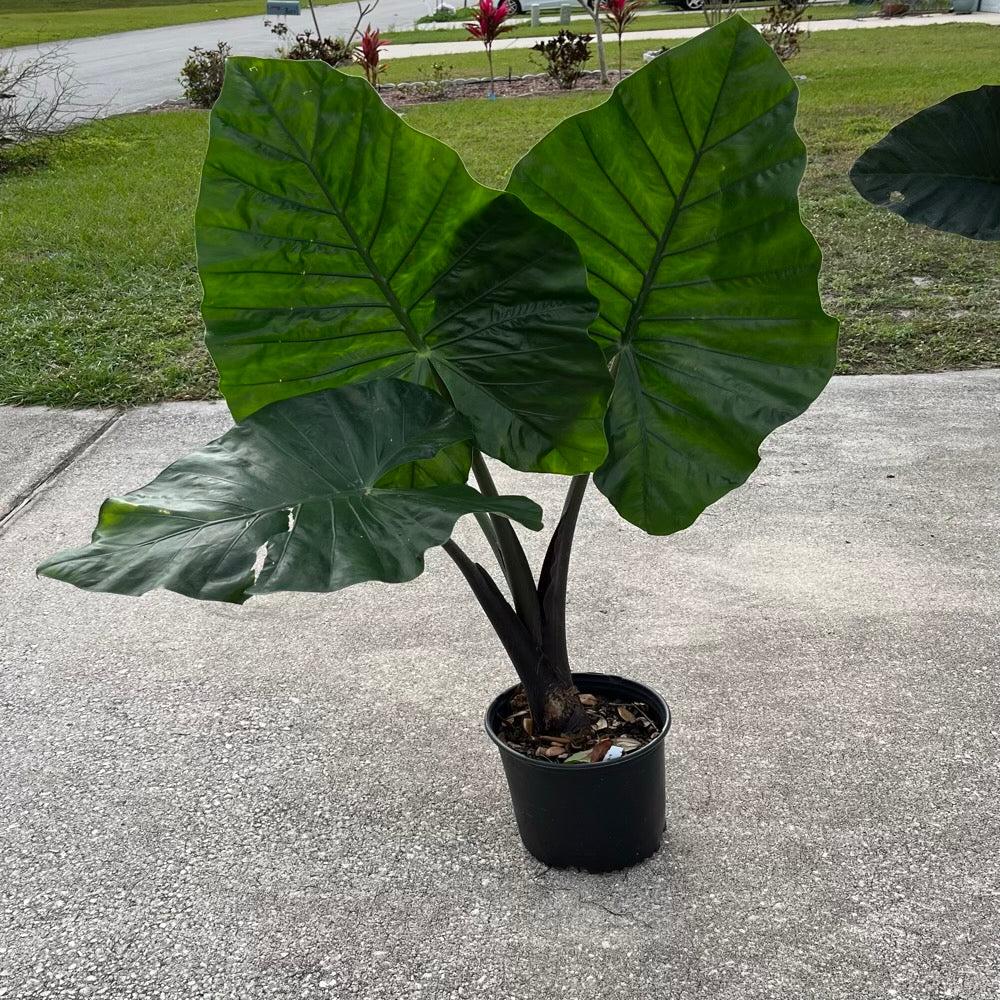


RedCrocus Alocasia Dark Star Live Plant – Elephant Ear Houseplant with Dark Metallic Leaves, Fast-Growing Aroid for Bright Indirect Light, Indoor or Patio Container 10" Pot
RedCrocus Alocasia Dark Star Live Plant – Elephant Ear Houseplant with Dark Metallic Leaves, Fast-Growing Aroid for Bright Indirect Light, Indoor or Patio Container 10" Pot
SKU:berdc85-redcrocus
Couldn't load pickup availability
Alocasia Dark Star
A dramatic, large-leaved Alocasia hybrid prized for its deep, metallic-green to near-black foliage and bold, architectural presence in tropical gardens and stylish interiors.
Description
Alocasia Dark Star is a standout elephant ear–type aroid with imposing, arrow-shaped leaves that display a moody, metallic sheen. Upright, sturdy petioles hold foliage aloft, forming a statuesque clump that lends instant drama to shaded borders, poolside plantings, and modern containers. In warm conditions the plant can reach impressive proportions outdoors, while indoors it becomes a striking focal point when given bright, filtered light and consistent humidity.
The plant may occasionally produce arum-like blooms in ideal conditions, though they are generally inconspicuous and secondary to the foliage. Expect vigorous growth during the warm season, with a natural slow-down in cooler months.
Suggested Uses
- Tropical focal point
- Shaded borders & understory beds
- Large statement containers
- Poolside / patio oasis
- Modern interior décor (bright, indirect light)
- Jungle-style groupings
Plant Details
-
 Botanical NameAlocasia Dark Star (hybrid Alocasia)
-
 Common NameAlocasia; Elephant Ear (ornamental aroid)
-
 Size & Growth
 Outdoors 5–8 ft tall, 4–6 ft wide; indoors typically 3–5 ft. Leaves 18–36 in long on upright petioles; clumping habit.
-
 Hardiness ZonesUSDA 9b–11 in ground (protect from cold). Grown as a container/houseplant in cooler zones; avoid temps below ~55°F (13°C).
-
 Foliage TypeEvergreen tropical aroid; large, arrow-shaped, dark metallic-green leaves with a bold, architectural form.
-
 Bloom TimeOccasional in warm, mature plants—typically summer; flowers are inconspicuous and rarely produced indoors.
-
 Growth RateFast in heat, bright filtered light, and high humidity; slows markedly in cool or low-light conditions.
-
 Light RequirementsBright, indirect light to dappled shade. Morning sun with afternoon shade outdoors; avoid harsh midday sun to prevent leaf scorch.
-
 Attracts PollinatorsNot typically. Blooms are not showy; if present, may be visited by flies/beetles but this is uncommon in cultivation.
-
 Indoor FriendlyYes—excellent statement houseplant in bright, indirect light with consistent warmth and humidity; allow space for its size.
-
 Container FriendlyYes. Use a sturdy container with drainage; upsize gradually; heavy pots help stabilize tall foliage outdoors.
-
 Deer ResistantGenerally deer and rabbit resistant due to irritating calcium oxalate in tissues; not fully pest-proof.
-
 Pet WarningToxic to pets and people if chewed; contains calcium oxalate crystals. Can cause oral irritation and GI upset; sap may irritate skin.
-
 FragrantNo—grown for foliage; flowers are not fragrant and seldom produced indoors.
-
 Cut FlowerNot typically for flowers; large leaves can be used as dramatic cut foliage with moderate vase life when properly conditioned.
-
 Grows Well WithGrows Well With Caladium, Coleus, Ferns, Begonias, Bromeliads, Philodendron, Peace Lily (Spathiphyllum), and other shade-loving tropicals.
Care Tips
-
 Planting InstructionsPlant after danger of frost. Outdoors, choose bright shade with wind protection. In containers, use a pot with ample drainage and acclimate gradually to brighter light to avoid scorch.
-
 Soil MoistureKeep evenly moist but never waterlogged. Water when the top 1–2 inches of mix feel barely dry; reduce slightly in cool/dormant periods.
-
 Soil TypeRich, airy, and well-drained. Ideal mix: high-quality potting soil with fine bark and perlite, plus compost; pH slightly acidic to neutral (6.0–7.0).
-
 HumidityPrefers high humidity (≥60%). Group plants, use a room humidifier, or place on a pebble tray; avoid dry drafts and hot air vents.
-
 Pruning InstructionsRemove yellowing or damaged leaves at the base with sterile pruners. No shaping required; deadhead spent inflorescences if produced.
-
 Winter CareProtect from temps below ~55°F (13°C). In cool zones, overwinter indoors in bright, warm conditions and cut back watering; or store dormant rhizomes cool and dry if foliage dies back.
-
 Planting DepthSet crowns at the same level as in the nursery pot; if planting a corm/rhizome, position 1–2 inches deep with the growing point just below the surface.
-
 FertilizationDuring spring–summer, feed every 2–4 weeks at 1/4–1/2 strength with a balanced liquid fertilizer, or apply a slow-release granular in spring. Do not fertilize heavily in winter.
-
 Special CareRotate the pot for even growth; support very large leaves if windy outdoors. Watch for spider mites, thrips, and scale—treat early with insecticidal soap or horticultural oil. Avoid cold drafts and sudden light changes.