

RedCrocus Picea Cupressiana Columnar Spruce Live Plant, Narrow Evergreen Tree for Privacy Screens & Vertical Accents, Cold Hardy Zones 3-7 1 Gallon Nursery Pot
RedCrocus Picea Cupressiana Columnar Spruce Live Plant, Narrow Evergreen Tree for Privacy Screens & Vertical Accents, Cold Hardy Zones 3-7 1 Gallon Nursery Pot
SKU:berda49-redcrocus
Couldn't load pickup availability
Picea Cupressiana
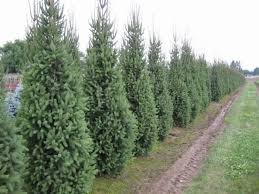
Picea Cupressiana is a striking, narrow, columnar spruce valued for its tidy silhouette, rich evergreen needles, and exceptional cold hardiness. Ideal for tight spaces and formal designs, it lends year-round structure as a vertical accent, screen, or avenue planting. Its dense, ascending branches naturally maintain a slim footprint with minimal pruning, making it a dependable architectural element in the landscape.
Description
OverviewThis elegant spruce forms a tall, spire-like column that fits where many evergreens cannot—along driveways, near entries, or as a rhythm of upright forms in modern gardens. Needles are deep green and hold color beautifully through winter. Spring brings subtle pollen cones and occasionally showy reddish female cones that mature to warm brown. Exceptionally cold tolerant and wind-firm once established, Picea Cupressiana thrives in full sun and well-drained soils, tolerating urban conditions and moderate drought after the first few years.
Plant Details
Key Attributes-
 Botanical NamePicea Cupressiana
-
 Common NamePicea Cupressiana
-
 Size & Growth30–40 ft tall, 6–10 ft wide; naturally narrow, columnar habit with a strong central leader.
-
 Hardiness ZonesUSDA Zones 3–7; excellent cold tolerance and wind firmness once established.
-
 Foliage TypeEvergreen needles; dense, ascending branchlets with rich deep-green color year-round.
-
 Bloom TimeSpring pollen and female flowers; decorative reddish female cones in spring, maturing brown by fall.
-
 Growth RateModerate: approximately 8–18 in (20–45 cm) per year in favorable conditions.
-
 Light RequirementsFull sun (6+ hours); tolerates light afternoon shade in hotter regions.
-
 Attracts PollinatorsNo – wind-pollinated; provides shelter and nesting sites for birds and beneficial wildlife.
-
 Indoor FriendlyNo – best grown outdoors; unsuitable for indoor conditions beyond temporary display.
-
 Container FriendlyYes, when young in very large containers; plan to plant out after 2–4 years for best performance.
-
 Deer ResistantGenerally deer-resistant; occasional browsing possible during scarce winter forage.
-
 Pet WarningNon-toxic to pets; sharp needles may irritate mouth or paws if chewed. Supervise curious pets.
-
 FragrantMild resinous aroma when foliage is handled; not notably fragrant at a distance.
-
 Cut FlowerNot used as cut flowers; branches are excellent for winter greenery and arrangements.
-
 Grows Well WithGrows Well With Dwarf pines and junipers, heaths/heathers (Erica/Calluna), birch, mountain laurel, ornamental grasses, and sun-loving perennials like salvia and coneflower in nearby beds.
Note: Habit, size, and performance reflect typical columnar spruce behavior; actual size may vary by climate and site conditions.
Care Tips
Best Practices-
 Planting InstructionsPlant in spring or early fall. Dig a hole 2–3× the width of the root ball and no deeper than the root flare. Tease circling roots, set the flare at grade, backfill with native soil, water to settle, then mulch 2–3 in (keep mulch off trunk).
-
 Soil MoistureKeep evenly moist the first 1–2 growing seasons. Once established, moderately drought-tolerant; avoid persistent soggy soils. Deep, infrequent watering encourages strong roots.
-
 Soil TypePrefers well-drained loam or sandy loam; pH 5.5–7.0. Improve heavy clay with organic matter and consider raised planting to enhance drainage.
-
 HumidityAverage outdoor humidity is ideal. Provide good air circulation and avoid hot, reflected heat sites for young plants in warm climates.
-
 Pruning InstructionsMinimal pruning needed. Late winter, remove dead or rubbing branches; preserve the central leader. Avoid topping or heavy shearing. Lightly tip-prune new growth only to refine shape.
-
 Winter CareHardy to Zone 3. Water deeply before ground freezes and maintain mulch. In exposed sites, use burlap screens the first 1–2 winters to reduce windburn. Limit exposure to de-icing salt spray.
-
 Planting DepthSet the root flare at or 0.5–1 in above the surrounding grade; never bury the trunk or top of the root ball.
-
 FertilizationLight feeder. In early spring, apply a slow-release, balanced or conifer-formula fertilizer at label rates, or top-dress annually with 2–3 in of compost. Avoid excessive nitrogen.
-
 Special CareStake lightly the first season to keep the leader plumb; remove stakes after one year. Monitor for spruce spider mites, aphids, and sawflies. Keep mulch a few inches away from the trunk and irrigate deeply during prolonged drought.