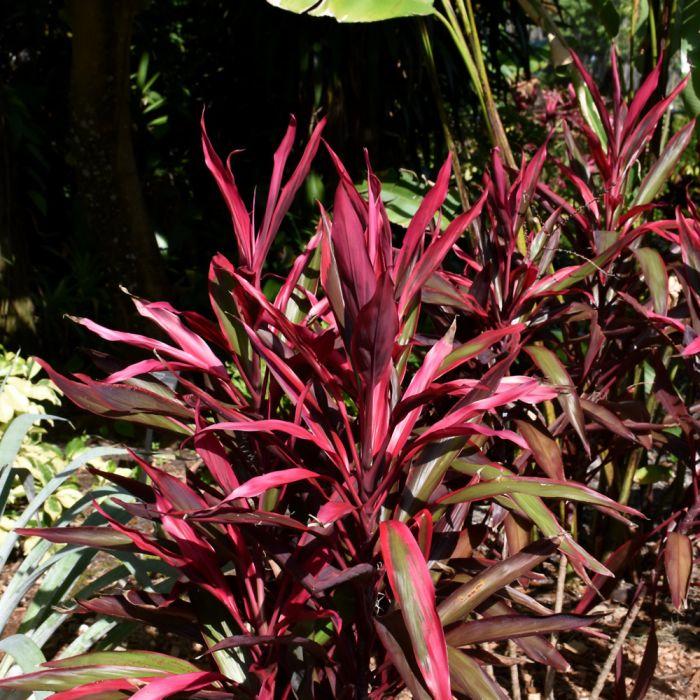


RedCrocus Cordyline Fruticosa Picasso Red, Vibrant Evergreen Shrub for Garden & Indoor, Bright Foliage, Container Friendly, Pet Toxic, Tropical Accent Plant 10" Pot
RedCrocus Cordyline Fruticosa Picasso Red, Vibrant Evergreen Shrub for Garden & Indoor, Bright Foliage, Container Friendly, Pet Toxic, Tropical Accent Plant 10" Pot
Regular price
$132.00 USD
Regular price
$171.60 USD
Sale price
$132.00 USD
Unit price
per
Shipping calculated at checkout.
SKU:bercebc-redcrocus
Couldn't load pickup availability
Cordyline Fruticosa Picasso Red
Description
A vibrant evergreen shrub featuring striking red and green variegated leaves that add bold color to gardens and indoor spaces. Prefers warm climates and well-draining soil.
Suggested Uses
Ideal for borders, containers, patio displays, and tropical garden themes. Great as a focal point or accent in landscape designs.
Plant Details
-
 Botanical Name: Cordyline Fruticosa Picasso Red
 -
 Common Name: Cordyline
 -
 Size & Growth: Typically grows up to 4-6 feet tall, with a spread of 2-3 feet, exhibiting a bushy, upright habit.
 -
 Hardiness Zones: 10-11
 -
 Foliage Type: Evergreen
 -
 Bloom Time: Rarely flowers, typically in summer
 -
 Growth Rate: Moderate
 -
 Light Requirements: Bright, indirect light to full sun
 -
 Attracts Pollinators: No
 -
 Indoor Friendly: Yes
 -
 Container Friendly: Yes
 -
 Deer Resistant: Yes
 -
 Pet Warning: Toxic to cats and dogs if ingested
 -
 Fragrant: No
 -
 Cut Flower: No
 -
 Grows Well With: Hibiscus, Crotons, Ferns
Care Tips
-
 Planting Instructions: Plant in well-draining soil, 2-3 inches deep, in a sunny location.
 -
 Soil Moisture: Keep evenly moist but not waterlogged.
 -
 Soil Type: Loamy, well-draining soil
 -
 Humidity: Prefers moderate to high humidity
 -
 Pruning Instructions: Remove dead or damaged leaves as needed; prune for shape.
 -
 Winter Care: Protect from freezing temperatures; bring indoors if in container.
 -
 Planting Depth: 2-3 inches into soil
 -
 Fertilization: Feed with balanced liquid fertilizer monthly during growing season.
 -
 Special Care: Avoid overwatering; ensure adequate sunlight and warmth.