Skip to product information
1 of 23

RedCrocus Bougainvillea Teepee Orange Live Plant - Variegated Foliage, Orange Bracts, Teepee-Trained Vine for Sunny Containers and Trellises 1 Gallon Pot

RedCrocus Bougainvillea Teepee Orange Live Plant - Variegated Foliage, Orange Bracts, Teepee-Trained Vine for Sunny Containers and Trellises 1 Gallon Pot

Regular price $100.00 USD
Regular price $130.00 USD Sale price $100.00 USD
Sale Sold out
Shipping calculated at checkout.

SKU:bercdcf-redcrocus

Pot Size

Bougainvillea — Teepee Orange — Variegated Foliage

Sun-loving | Drought-tolerant | Showy Bracts

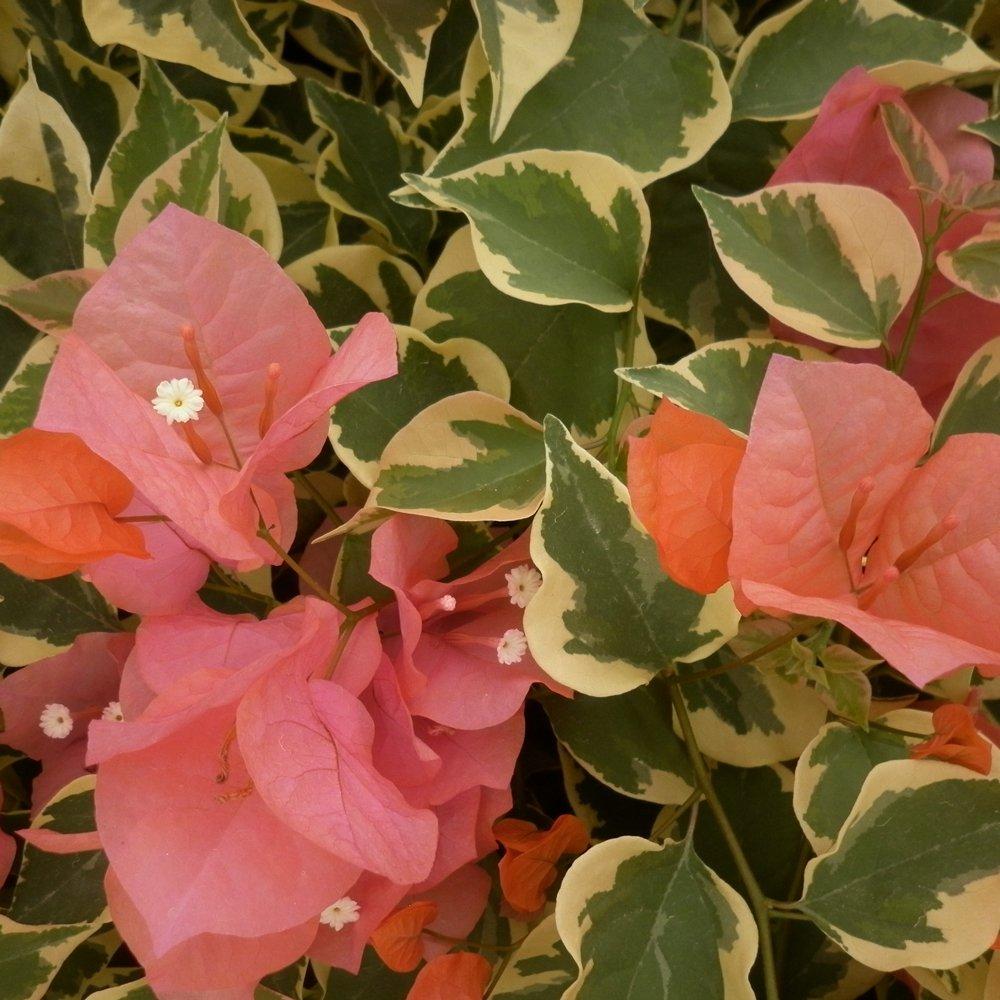
A compact, teepee-trained bougainvillea with striking orange bracts and creamy variegated leaves—ideal for bold, sun-drenched containers and warm-climate trellises.

Description

This teepee-trained bougainvillea combines vivid orange-to-apricot bracts with variegated green-and-cream foliage for nonstop visual interest. The papery “blooms” are actually colorful bracts surrounding small white tubular flowers that attract pollinators. Naturally vigorous, it stays tidy on its tripod support, making a dramatic statement on patios, sunny courtyards, and entryways. Thrives in full sun, lean soils, and light-to-moderate irrigation; flowering is strongest when slightly root-bound and allowed brief dry cycles.

Suggested Uses

  • Large patio containers
  • Full-sun balconies & courtyards
  • Pollinator-friendly displays
  • Warm-climate trellis/screen
  • Deer-resistant gardens
  • Mediterranean & coastal plantings

Plant Details

Key attributes to help you place and grow Bougainvillea — Teepee Orange — Variegated Foliage successfully.

Botanical name
Botanical Name
Bougainvillea — Teepee Orange — Variegated Foliage
Common name
Common Name
Bougainvillea — Teepee
Size & growth
Size & Growth
Vigorous vining shrub; outdoors 10–20 ft if unrestrained. In teepee/topiary form typically 4–7 ft tall, 2–4 ft wide with regular pruning.
Hardiness zones
Hardiness Zones
USDA 9b–11 outdoors. In colder zones, grow as a seasonal container specimen and overwinter indoors in bright light.
Foliage type
Foliage Type
Variegated evergreen in frost-free climates; may drop leaves in cool weather. Thorny stems; leaves green with creamy margins.
Bloom time
Bloom Time
Heaviest late spring through fall; in tropical conditions can color nearly year-round in cycles.
Growth rate
Growth Rate
Fast in warm weather with ample sun; flowering improves when slightly root-bound and not overfed with nitrogen.
Light requirements
Light Requirements
Full sun—6 to 8+ hours daily. Indoors, a south-facing window or strong supplemental grow lights are needed.
Pollinators
Attracts Pollinators
Colorful bracts draw butterflies and hummingbirds; small white flowers attract bees.
Indoor friendly
Indoor Friendly
Possible with very bright sun and a cool, bright winter rest (50–60°F); expect some leaf drop when moved indoors.
Container friendly
Container Friendly
Excellent in large, well-drained pots with a sturdy teepee or tuteur. Slightly root-bound plants bloom best.
Deer resistant
Deer Resistant
Generally avoided due to thorns and texture, though no plant is truly deer-proof in scarcity conditions.
Pet warning
Pet Warning
Not highly toxic, but thorns can injure and sap may irritate skin. Ingestion can cause mild stomach upset—keep out of reach of pets and children.
Fragrance
Fragrant
No—showy color comes from bracts; true flowers are small and not notably scented.
Cut flower
Cut Flower
Bracts are striking but short-lived in vases (1–3 days). Searing stem ends can extend life slightly.
Grows well with
Grows Well With
Lantana, verbena, portulaca, ice plant (Delosperma), gazania, rosemary, cape plumbago, agave—sunny, heat- and drought-tolerant companions.

Care Tips

Follow these best practices for planting, watering, feeding, and seasonal care.

Planting instructions
Planting Instructions
Site in full sun and excellent drainage. Gently loosen outer roots; set crown level with soil surface. Backfill with a gritty mix and secure stems to the teepee/tuteur. Water thoroughly to settle soil; mulch lightly, keeping mulch off the crown.
Soil moisture
Soil Moisture
Water to establish, then allow the top 1–2 inches to dry between deep soakings. Avoid constantly wet soil or standing water—slight dry cycles encourage flowering.
Soil type
Soil Type
Fast-draining, sandy/loamy soil. For containers: ~60% quality potting mix + 20% fine bark + 20% perlite or pumice. Target pH 5.5–6.5; amend heavy clay with grit.
Humidity
Humidity
Tolerates average outdoor and indoor humidity (30–60%). Ensure good airflow; avoid prolonged leaf wetness at night to reduce fungal issues.
Pruning
Pruning Instructions
Lightly pinch after each bloom flush to promote branching. Perform structural pruning in late winter. Remove weak or crossing stems; wear gloves—stems are thorny. Avoid heavy green growth removal right before a bloom cycle.
Winter care
Winter Care
Protect from frost (below ~30°F). In zones <9, move containers indoors before frost to the brightest spot; keep cool (50–60°F) and on the dry side. Outdoors in 9b, use frost cloth during cold snaps and mulch the root zone.
Planting depth
Planting Depth
Set at the same depth as in the nursery pot; do not bury the stem or crown. In containers, leave 1–2 inches of headspace for watering and ensure ample drainage holes.
Fertilization
Fertilization
Feed lightly during active growth every 4–6 weeks with a low-nitrogen, bloom-forward formula (e.g., 5-10-10) at half strength. Pause in winter. If leaves yellow, supplement micronutrients/chelated iron and flush salts periodically.
Special care
Special Care
Provide sturdy support and soft ties; rotate containers for even light. Avoid frequent repotting—slight root confinement promotes bloom. To encourage bracts, give maximum sun, modest feeding, and brief dry spells between waterings.

Note: Cultivar performance and exact bract color can vary by climate, sun intensity, and cultural practices. Values above reflect typical guidance for bougainvillea grown in teepee form.

View full details