

RedCrocus Blue Teardrop Spruce – Live Dwarf Picea pungens, Steel-Blue Evergreen Conifer with Ornamental Cones, Slow-Growing, Cold-Hardy, Full Sun Landscape Accent 3 Gallon Nursery Pot
RedCrocus Blue Teardrop Spruce – Live Dwarf Picea pungens, Steel-Blue Evergreen Conifer with Ornamental Cones, Slow-Growing, Cold-Hardy, Full Sun Landscape Accent 3 Gallon Nursery Pot
Regular price
$500.00 USD
Regular price
$650.00 USD
Sale price
$500.00 USD
Unit price
per
Shipping calculated at checkout.
SKU:bercd10-redcrocus
Couldn't load pickup availability
Picea Blue Teardrop with Cones!
Premium Dwarf Conifer • With Cones!
A compact, teardrop-shaped blue spruce with striking silvery-blue needles and decorative cones for year-round structure.
Description
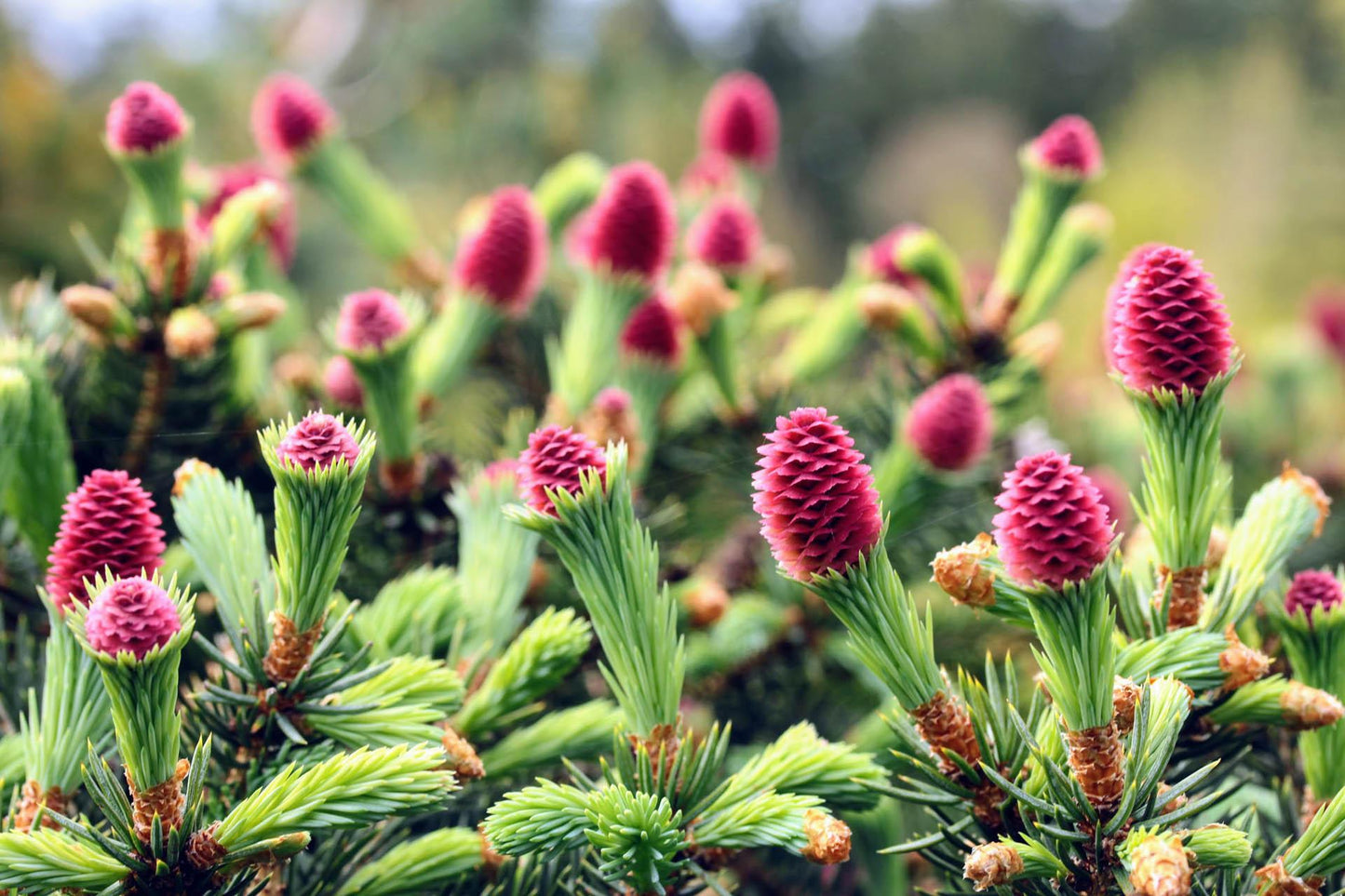
Picea Blue Teardrop with Cones! is a dwarf selection of blue spruce renowned for its dense, naturally teardrop form and vivid steel-to-silvery-blue needles. Slow-growing and highly architectural, it brings four-season interest to small gardens, rockeries, and containers. Spring pollen and seed cones add charming texture and color, maturing from rosy or purple tones to tan as the season progresses. Exceptionally hardy and wind-tolerant once established.
Suggested Uses
- Specimen for small spaces
- Front-entry focal point
- Rock and alpine gardens
- Four-season container
- Evergreen structure in borders
- Conifer collection
- Winter interest & texture
- Foundation planting
Plant Details
-
 Botanical NamePicea Blue Teardrop with Cones! (dwarf blue spruce selection; typically related to Picea pungens)
-
 Common NamePicea Blue Teardrop
-
 Size & GrowthDwarf, slow-growing conifer maturing about 4–6 ft tall and 2–3 ft wide in 10–12 years; dense teardrop/pyramidal habit.
-
 Hardiness ZonesUSDA Zones 2–7; exceptionally cold hardy with good wind tolerance once established.
-
 Foliage TypeEvergreen needles; vibrant steel-blue to silvery-blue, dense and prickly, retaining color year-round.
-
 Bloom TimeConifer (no true flowers); pollen and seed cones in spring, ornamental cones maturing late summer to fall.
-
 Growth RateSlow; typically 3–6 inches (7–15 cm) per year under good conditions.
-
 Light RequirementsFull sun (6+ hours). In hotter climates, very light afternoon shade can reduce needle scorch.
-
 Attracts PollinatorsNo—wind-pollinated conifer. Provides shelter and nesting opportunities for birds; cones may feed wildlife.
-
 Indoor FriendlyNot suitable as a houseplant; requires full sun and outdoor seasonal cues. Best outdoors year-round.
-
 Container FriendlyYes—excellent in large, well-drained containers for many years; ensure winter protection for pots in cold climates.
-
 Deer ResistantYes—spruces are generally avoided by deer due to sharp needles and resinous taste, though no plant is completely deer-proof.
-
 Pet WarningNon-toxic, but sharp needles/cones can cause mouth or paw irritation if chewed; ingestion may cause mild GI upset.
-
 FragrantLight resinous aroma when foliage is rubbed or warmed by sun; not considered strongly fragrant in the landscape.
-
 Cut FlowerNot used as cut flowers; small branches and cones are attractive for winter arrangements and crafts.
-
 Grows Well WithGrows Well With Dwarf conifers (Pinus mugo, Juniperus), heaths and heathers (Calluna, Erica), sedums, thyme, ornamental grasses, nepeta, and salvia.
Notes reflect typical care for dwarf blue spruce cultivars; growth and color vary with climate and site.
Care Tips
-
 Planting InstructionsPlant in early spring or fall. Dig a hole 2–3× wider than the root ball and the same depth. Loosen circling roots and set so the root flare is level with the soil surface. Backfill with native soil; water to settle and mulch 2–3 inches, keeping mulch off the trunk.
-
 Soil MoistureKeep evenly moist the first 1–2 years. Water deeply but infrequently; allow the top inch to dry between waterings. Once established, tolerates short dry spells but prefers consistent moisture in summer heat.
-
 Soil TypeWell-drained loam or sandy loam; slightly acidic to neutral (pH 5.5–7.0). Avoid waterlogged or heavy clay; amend with compost and coarse grit where drainage is poor.
-
 HumidityPrefers average to low humidity with good air circulation. Avoid persistently wet foliage; water at the base in the morning.
-
 Pruning InstructionsMinimal pruning required. In late winter or very early spring, remove dead or damaged wood. For light shaping, shorten soft new growth by up to one-third as it elongates. Do not cut back into old, bare wood—spruce does not reliably reshoot there.
-
 Winter CareExtremely hardy. In exposed sites, water deeply before ground freeze and apply 2–3 inches of mulch. Young plants may benefit from a seasonal burlap windbreak to reduce winter desiccation. For containers, move to a sheltered spot and insulate the pot.
-
 Planting DepthSet the crown/root flare level with surrounding soil—never deeper. The top of the root ball should be even with or slightly above grade on heavy soils to ensure drainage.
-
 FertilizationLight feeder. In early spring, apply a slow-release, balanced conifer fertilizer at label rates, or top-dress with compost. Avoid high-nitrogen feeds after midsummer to prevent tender late growth.
-
 Special CareEnsure excellent drainage and full sun for best blue color. Monitor for spruce spider mite and aphids; rinse foliage with a firm water spray if needed. Check for girdling roots at planting. In hot, reflective sites, provide slight afternoon shade to limit needle scorch.