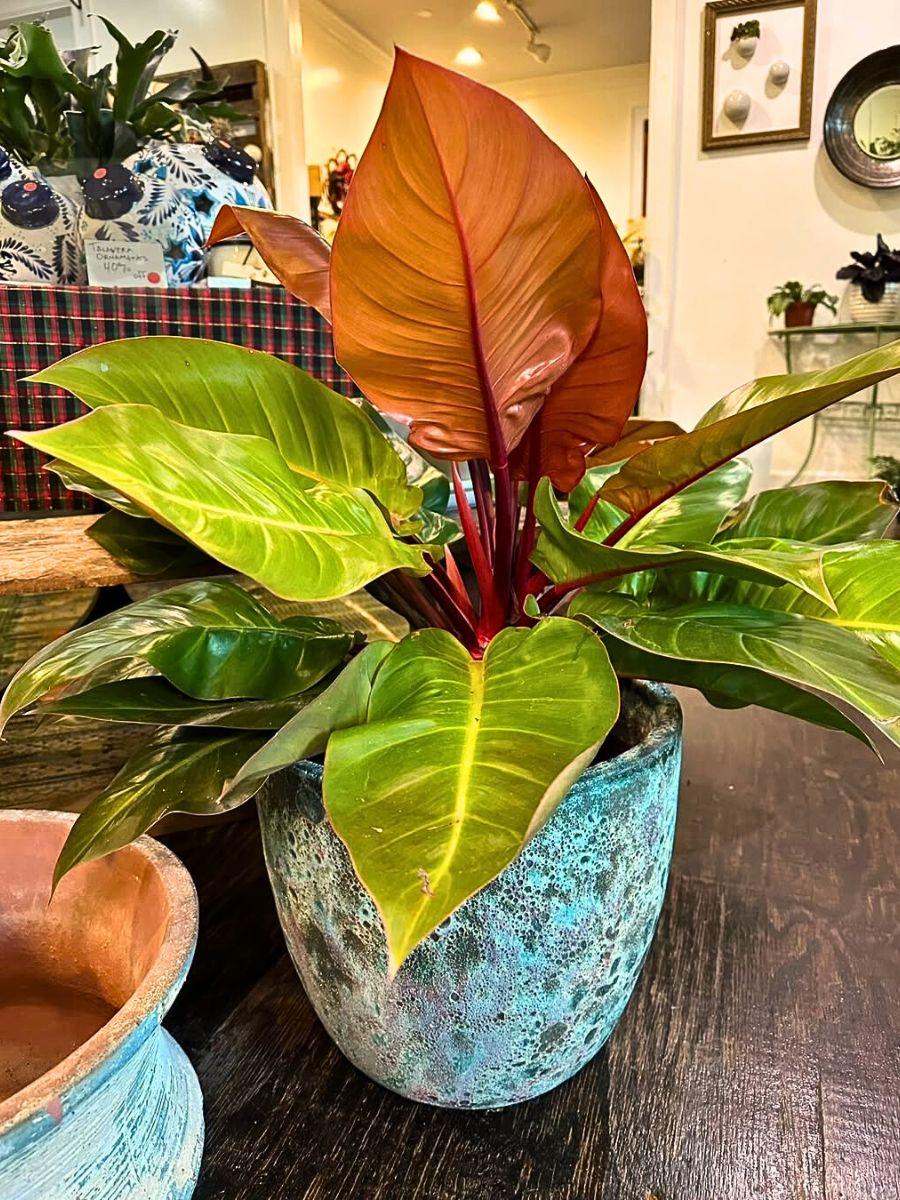


RedCrocus Philodendron Prince of Orange- Vibrant Foliage Indoor Plant, Tropical Decor, Pet Warning, Easy Care, Container & Patio Friendly, Lush Green & Orange Leaves 1 Quart Pot (Pack of 2)
RedCrocus Philodendron Prince of Orange- Vibrant Foliage Indoor Plant, Tropical Decor, Pet Warning, Easy Care, Container & Patio Friendly, Lush Green & Orange Leaves 1 Quart Pot (Pack of 2)
Regular price
$52.00 USD
Regular price
$67.60 USD
Sale price
$52.00 USD
Unit price
per
Shipping calculated at checkout.
SKU:berccd3-redcrocus
Couldn't load pickup availability
Philodendron Prince of Orange
Description
A vibrant tropical perennial known for its striking orange foliage and lush green leaves, ideal for adding a pop of color to any indoor or outdoor space.
Suggested Uses
Perfect for indoor décor, patio gardens, and shaded landscape areas to create a lively and colorful environment.
Plant Details
-
 Botanical Name: Philodendron Prince of Orange
 -
 Common Name: Philodendron
 -
 Size & Growth: Typically grows up to 3-4 feet indoors with slow to moderate growth rate
 -
 Hardiness Zones: 10-11
 -
 Foliage Type: Deciduous with vibrant orange leaves
 -
 Growth Rate: Moderate
 -
 Light Requirements: Bright, indirect light; tolerates some shade
 -
 Attracts Pollinators: No
 -
 Indoor Friendly: Yes
 -
 Container Friendly: Yes
 -
 Deer Resistant: Yes
 -
 Pet Warning: Toxic to cats and dogs if ingested
 -
 Fragrant: No
 -
 Cut Flower: No
 -
 Grows Well With: Ferns, pothos, and peace lilies
 Bloom Time: Rarely flowers indoors, blooms in summer outdoors
Care Tips
-
 Planting Instructions: Use well-draining soil and place in bright, indirect light
 -
 Soil Moisture: Keep consistently moist but not soggy
 -
 Soil Type: Rich, well-draining potting mix
 -
 Humidity: Prefers high humidity; mist regularly or use a humidifier
 -
 Pruning Instructions: Remove yellow or damaged leaves to encourage healthy growth
 -
 Winter Care: Reduce watering and keep away from cold drafts
 -
 Planting Depth: Plant at same depth as in nursery pot
 -
 Fertilization: Feed monthly during the growing season with balanced fertilizer
 -
 Special Care: Avoid direct sunlight to prevent leaf scorch