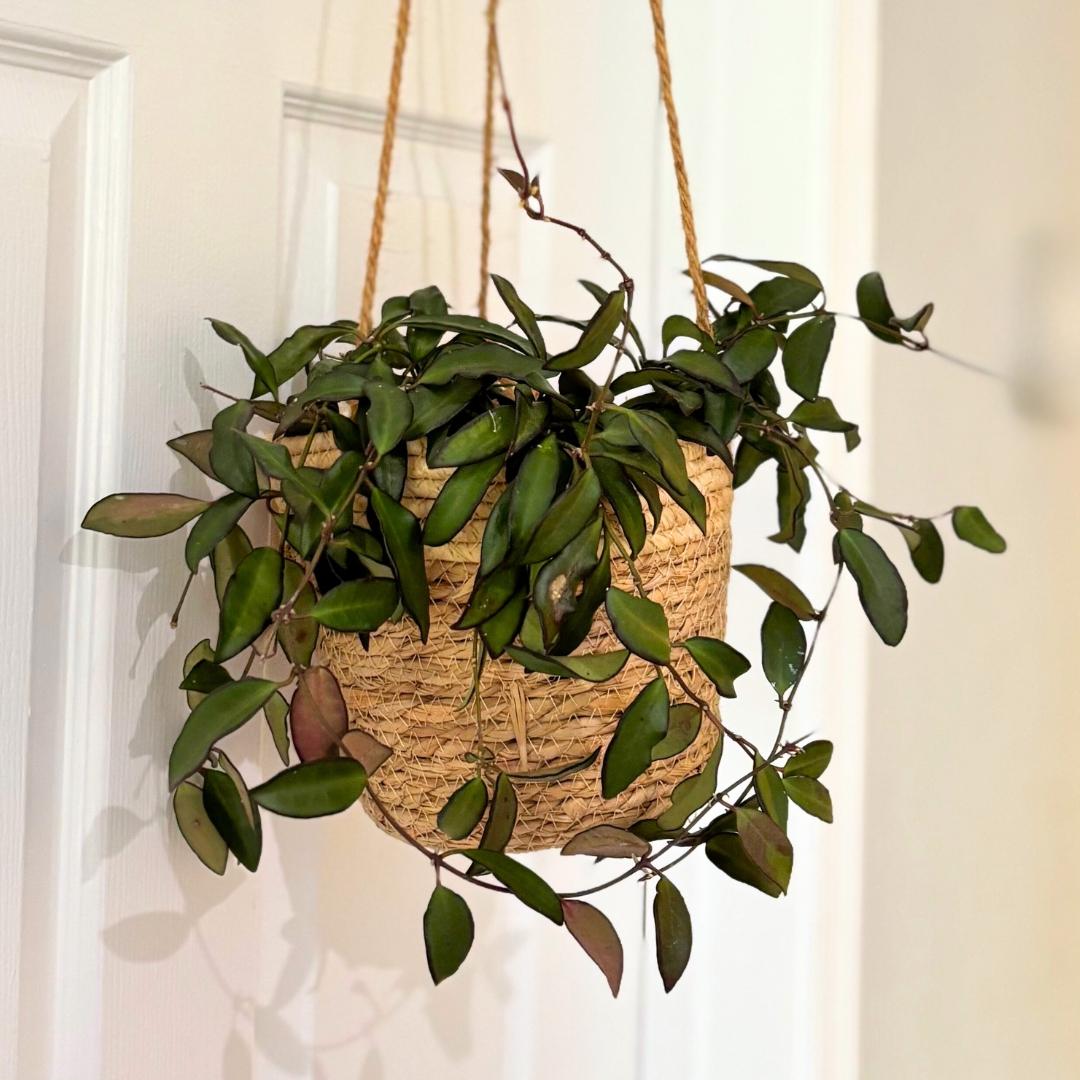


RedCrocus Hoya Rosita | Trailing Evergreen with White Star-shaped Flowers | Indoor & Hanging Basket Decor 4" Pot (Pack of 2)
RedCrocus Hoya Rosita | Trailing Evergreen with White Star-shaped Flowers | Indoor & Hanging Basket Decor 4" Pot (Pack of 2)
Regular price
$40.00 USD
Regular price
$52.00 USD
Sale price
$40.00 USD
Unit price
per
Shipping calculated at checkout.
SKU:berc44c-redcrocus
Couldn't load pickup availability
Hoya Rosita
Description
A trailing, evergreen perennial known for its fragrant, star-shaped white flowers and thick, glossy green foliage. Perfect for hanging baskets and indoor gardens.
Suggested Uses
Ideal for indoor decoration, hanging baskets, and shaded outdoor patios. Suitable for container planting and levelling up interior spaces with greenery.
Plant Details
-
 Botanical Name: Hoya Rosita
 -
 Common Name: Hoya
 -
 Size & Growth: Typically reaches 12-24 inches in length with a trailing habit.
 -
 Hardiness Zones: 10-11
 -
 Foliage Type: Evergreen, Thick, Waxy
 -
 Bloom Time: Summer to Fall
 Growth Rate: Moderate
 Light Requirements: Bright Indirect Light
 Attracts Pollinators: No
 Indoor Friendly: Yes
 Container Friendly: Yes
 Deer Resistant: Yes
 Pet Warning: Toxic to Cats and Dogs
 Fragrant: Yes
 Cut Flower: Yes, for air arrangements
 Grows Well With: Succulents, Ferns, Pothos
Care Tips
-
 Planting Instructions: Use well-draining soil and ensure good air circulation.
 -
 Soil Moisture: Keep slightly moist but not soggy.
 -
 Soil Type: Well-draining potting mix with organic matter.
 -
 Humidity: Prefers moderate humidity levels.
 -
 Pruning Instructions: Prune lightly after flowering to maintain shape.
 -
 Winter Care: Protect from frost; bring indoors in colder climates.
 -
 Planting Depth: Plant at same depth as in the pot.
 -
 Fertilization: Feed monthly during active growth with balanced fertilizer.
 -
 Special Care: Avoid overwatering and ensure good drainage.