Skip to product information
1 of 8

RedCrocus Fastigiata Japanese Plum Yew Live Plant (Cephalotaxus) - Columnar, Shade & Heat Tolerant Evergreen for Woodland Gardens, Foundation, Narrow Hedges, Containers 1 Gallon Nursery Pot

RedCrocus Fastigiata Japanese Plum Yew Live Plant (Cephalotaxus) - Columnar, Shade & Heat Tolerant Evergreen for Woodland Gardens, Foundation, Narrow Hedges, Containers 1 Gallon Nursery Pot

Regular price $90.00 USD
Regular price $117.00 USD Sale price $90.00 USD
Sale Sold out
Shipping calculated at checkout.

SKU:berc182-redcrocus

Pot Size

Cephalotaxus Fastgiata

Evergreen • Upright form
Also known as Cephalotaxus harringtonia 'Fastigiata' (Japanese plum yew)
Shade-tolerant Deer resistant Low maintenance Evergreen texture

Description

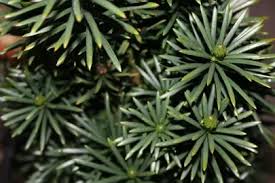
Cephalotaxus Fastgiata is an elegant, narrow, columnar selection of the Japanese plum yew prized for its lush, glossy, dark-green needles and exceptional tolerance of shade and heat. Its architectural, upright habit makes a refined vertical accent in foundation plantings, courtyards, and woodland gardens where traditional yews struggle in summer heat.

Female plants can bear olive-like, dark green fruits (arils) following inconspicuous spring bloom; plants are dioecious, so fruiting requires nearby male pollen. Durable, long-lived, and largely pest-free, this selection brings four-season structure with minimal care.

Plant Details

Key attributes
Botanical Name icon
Botanical Name Cephalotaxus Fastgiata
Common Name icon
Common Name Cephalotaxus Fastgiata (Upright Japanese plum yew)
Size and Growth icon
Size & Growth 6–10 ft tall × 3–5 ft wide in 10 years; ultimately 12–20 ft tall × 5–8 ft wide; slow to moderate growth (4–8 in/yr).
Hardiness Zones icon
Hardiness Zones USDA 6–9 (occasionally to 5 with winter protection and shelter from wind).
Foliage Type icon
Foliage Type Evergreen conifer with flat, glossy, dark-green needles in dense, vertical sprays.
Bloom Time icon
Bloom Time Early spring; inconspicuous (male/female cones). Fruits (on female plants) ripen late summer to fall.
Growth Rate icon
Growth Rate Slow to moderate; naturally tidy, upright column.
Light Requirements icon
Light Requirements Partial to full shade; tolerates deep shade. Morning sun is fine; avoid intense afternoon sun in hot climates.
Attracts Pollinators icon
Attracts Pollinators No—wind-pollinated; flowers are not showy or nectar-rich.
Indoor Friendly icon
Indoor Friendly Not recommended as a houseplant; best outdoors year-round.
Container Friendly icon
Container Friendly Yes—performs well in large, deep containers with consistent moisture and good drainage.
Deer Resistant icon
Deer Resistant Generally deer resistant; rarely browsed.
Pet Warning icon
Pet Warning Toxic if ingested (similar to yews). Keep away from pets and livestock; supervise children.
Fragrant icon
Fragrant No notable floral fragrance.
Cut Flower icon
Cut Flower Not a cut flower; evergreen foliage is useful as long-lasting greenery in arrangements.
Grows Well With icon
Grows Well With Hosta, ferns, hellebores, hydrangea, camellia, mahonia, azalea, heuchera, sarcococca, carex.

Care Tips

Planting & maintenance
Planting Instructions icon
Planting Instructions Plant in spring or fall. Dig a hole 2× as wide as the root ball; set the top of the root ball level with the surrounding soil, tease circling roots, backfill with native soil amended with compost, and water deeply to settle.
Soil Moisture icon
Soil Moisture Keep evenly moist the first growing season; once established, tolerates short dry spells but prefers consistent moisture—avoid waterlogging.
Soil Type icon
Soil Type Well-drained loam or sandy loam; tolerant of clay if drainage is improved. pH slightly acidic to neutral (≈5.5–7.0).
Humidity icon
Humidity Average garden humidity; handles heat and humidity well with adequate soil moisture and mulch.
Pruning Instructions icon
Pruning Instructions Minimal pruning required. Shape or lightly shear after new growth hardens (late spring to midsummer). Remove dead or crossing wood in late winter.
Winter Care icon
Winter Care Mulch 2–3 in around (not against) the stem to buffer freezes. In cold/windy sites, provide windbreaks and water during winter dry spells. Avoid salt spray and heavily salted soils.
Planting Depth icon
Planting Depth Keep the root flare at or just above soil grade; never bury the crown. Container depth should allow the full root ball with 2–3 in of soil below.
Fertilization icon
Fertilization Feed lightly in early spring with a balanced, slow‑release fertilizer for evergreens or top-dress with compost; avoid excessive nitrogen to maintain dense form.
Special Care icon
Special Care Dioecious: female plants fruit if a male is nearby. Site in afternoon shade in hot summers; ensure drainage to prevent root rot. Excellent choice where common yews fail in heat.

Note: Attributes reflect typical performance of upright Cephalotaxus selections; local conditions may affect growth and hardiness.

View full details