

RedCrocus Croton Mamey Indoor & Outdoor Tropical Plant - Vibrant Evergreen Foliage, Easy Care, Pet Warning, Container Friendly, Bright Light Needed 6" (Pack of 2)
RedCrocus Croton Mamey Indoor & Outdoor Tropical Plant - Vibrant Evergreen Foliage, Easy Care, Pet Warning, Container Friendly, Bright Light Needed 6" (Pack of 2)
Regular price
$68.00 USD
Regular price
$88.40 USD
Sale price
$68.00 USD
Unit price
per
Shipping calculated at checkout.
SKU:berbb7c-redcrocus
Couldn't load pickup availability
Croton Mamey
Description
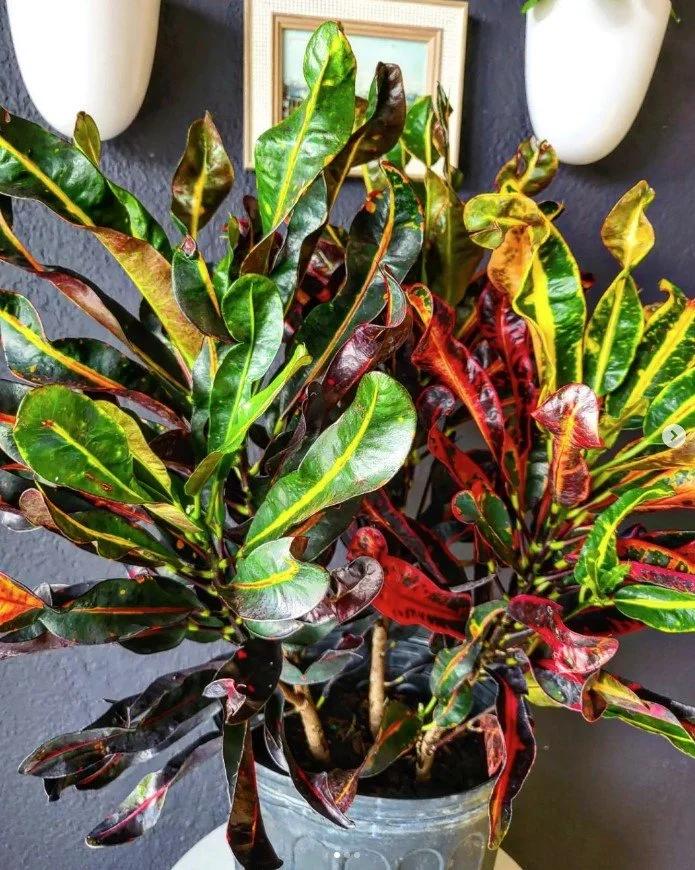
The Croton Mamey is a vibrant tropical shrub known for its colorful foliage. It features large, glossy leaves with striking variegation, making it a popular choice for adding visual interest to gardens and landscapes. It thrives in warm climates and can be grown as a specimen plant or in mixed borders.
Suggested Uses
Ideal for tropical and subtropical gardens, accent plantings, decorative hedges, and container planting on patios or balconies. Its vibrant foliage provides a stunning focal point and enhances landscape diversity.
Plant Details
-
 Botanical Name: Croton Mamey
 -
 Common Name: Croton
 -
 Size & Growth: Typically grows up to 6-10 feet tall with a spreading habit
 -
 Hardiness Zones: 10-12
 -
 Foliage Type: Evergreen
 -
 Bloom Time: Rarely blooms indoors; flowers are inconspicuous when it does bloom
 -
 Growth Rate: Moderate to fast
 -
 Light Requirements: Bright, indirect sunlight or partial shade
 -
 Attracts Pollinators: Yes
 -
 Indoor Friendly: Yes, with bright light
 -
 Container Friendly: Yes
 -
 Deer Resistant: Yes
 -
 Pet Warning: Toxic if ingested
 -
 Fragrant: No
 -
 Cut Flower: Not typically used as cut flower
 -
 Grows Well With: Other tropical plants such as hibiscus, bird of paradise, and palms
Care Tips
-
 Planting Instructions: Use well-draining soil; place in full sun to partial shade
 -
 Soil Moisture: Keep consistently moist but not waterlogged
 -
 Soil Type: Rich, well-draining organic soil
 -
 Humidity: Prefers moderate to high humidity levels
 -
 Pruning Instructions: Prune for shape and removal of dead leaves as needed
 -
 Winter Care: Protect from frost; bring indoors if temperatures drop below zone 10
 -
 Planting Depth: Place roots at same depth as in container or nursery
 -
 Fertilization: Feed with a balanced, tropical plant fertilizer every 6-8 weeks during growing season
 -
 Special Care: Avoid exposure to cold drafts and direct wind; maintain consistent watering and fertilization for best color