

RedCrocus Helleborus Winter Ballet 'Lola Pink' Lenten Rose – Live Shade Perennial, Winter-to-Spring Blooms, Evergreen Foliage, Great for Containers & Woodland Borders 6"
RedCrocus Helleborus Winter Ballet 'Lola Pink' Lenten Rose – Live Shade Perennial, Winter-to-Spring Blooms, Evergreen Foliage, Great for Containers & Woodland Borders 6"
Regular price
$84.00 USD
Regular price
$109.20 USD
Sale price
$84.00 USD
Unit price
per
Shipping calculated at checkout.
SKU:berbb6d-redcrocus
Couldn't load pickup availability
Helleborus Winter Ballet Lola Pink
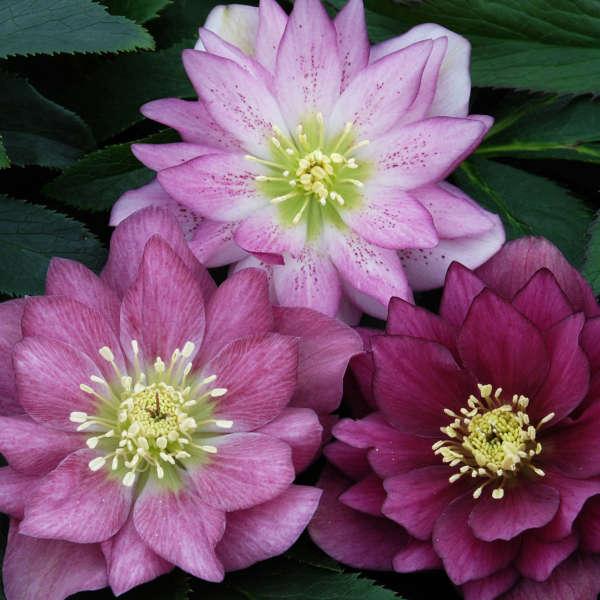
A refined Lenten rose with soft rose-pink blooms that brighten the late-winter garden.
Shade tolerant
Evergreen foliage
Winter–spring interest
Deer resistant
Container friendly
Description
Helleborus Winter Ballet ‘Lola Pink’ is a compact selection in the Winter Ballet series prized for its early-season flowers and handsome, leathery evergreen foliage. Nodding to outward-facing blooms in shades of rose-pink with a soft, light center appear from late winter into spring, often when little else is in flower. Long-lived and low maintenance once established, this hellebore thrives in dappled shade and brings structure and color to woodland borders, foundation beds, and shaded containers.
Note: Color intensity can vary with temperature and light levels; cooler weather often deepens pink tones.
Suggested Uses
-
 Containers & EntrywaysExcellent in frost-resistant pots for winter-to-spring color by doors, patios, and walkways.
 -
 Woodland & Shade BordersIdeal under deciduous trees and along north or east foundations in dappled light.
 -
 Cut & Floating FlowersLong-lasting blooms for arrangements (best when petals mature) or displayed floating in bowls.
 -
 Early Pollinator SupportNectar and pollen source for early bees when few other flowers are available.
Plant Details
-
 Botanical NameHelleborus Winter Ballet Lola Pink
-
 Common NameHelleborus Winter Ballet (Lenten Rose series)
-
 Size & GrowthCompact clump, typically 12–16 in. tall and 18–24 in. wide over time.
-
 Hardiness ZonesUSDA 5–9 (with protection in colder microclimates; some hellebores succeed in Zone 4).
-
 Foliage TypeEvergreen to semi-evergreen, leathery, palmate leaves; rich green year-round in mild climates.
-
 Bloom TimeLate winter to early spring; often January–April depending on climate.
-
 Growth RateSlow to moderate; forms long-lived clumps with minimal division needed.
-
Light RequirementsPartial to full shade; morning sun with afternoon shade is ideal. Avoid hot, harsh afternoon sun.
-
Attracts PollinatorsYes — early bees and beneficial insects visit readily.
-
 Indoor FriendlyBest grown outdoors; suitable for cool, bright indoor display only for short periods.
-
Container FriendlyYes — performs well in deep, well-drained containers in shaded locations.
-
 Deer ResistantYes — typically avoided by deer and rabbits due to toxicity.
-
 Pet WarningToxic if ingested; sap may irritate skin. Keep away from pets and children; wear gloves when pruning.
-
 FragrantLight to no noticeable fragrance; grown primarily for color and form.
-
Cut FlowerYes — cut when flowers are mature (with developed seed pods) for longest vase life.
-
 Grows Well WithGrows Well With Ferns, Heuchera, Pulmonaria, Carex, Epimedium, Hostas, spring bulbs (Galanthus, Narcissus).
If local conditions differ (e.g., colder winters or intense summer sun), adjust placement and mulch depth accordingly.
Care Tips
-
 Planting InstructionsPlant in fall or early spring. Space 18–24 in. apart. Loosen soil 12–15 in. deep; set crown at soil level and firm in well. Avoid disturbing roots after planting.
-
 Soil MoistureKeep evenly moist but never waterlogged. Water deeply during prolonged dry spells, especially in summer establishment year.
-
 Soil TypeRich, humus-laden, well-drained loam. pH neutral to slightly alkaline (6.5–7.5). Tolerates clay if drainage is improved with compost/grit.
-
 HumidityAverage outdoor humidity. Ensure air circulation to reduce leaf spot; avoid crowded, soggy sites.
-
 Pruning InstructionsIn late winter, remove older, tattered foliage at the base before new blooms emerge. Deadhead after flowering to prevent self-seeding if desired.
-
 Winter CareMulch 2–3 in. in late fall to insulate roots; protect from harsh winds. In very cold zones, a leaf mulch blanket helps prevent foliage scorch.
-
 Planting DepthSet the top of the root ball level with surrounding soil; do not bury the crown. For containers, keep crown slightly high for drainage.
-
 FertilizationTop-dress with compost each spring; apply a balanced, slow-release fertilizer at bud break. Avoid high-nitrogen feeds.
-
 Special CareHellebores dislike transplanting—choose a permanent spot. Wear gloves (sap can irritate). Monitor for aphids, slugs, and leaf spot; remove affected leaves promptly.