

RedCrocus Taxus 'Dark Green Spreader' Yew Live Plant - Evergreen, Spreading Shrub for Sun to Part Shade, Cold Hardy Landscape Groundcover 3 Gallon Nursery Pot
RedCrocus Taxus 'Dark Green Spreader' Yew Live Plant - Evergreen, Spreading Shrub for Sun to Part Shade, Cold Hardy Landscape Groundcover 3 Gallon Nursery Pot
Regular price
$200.00 USD
Regular price
$260.00 USD
Sale price
$200.00 USD
Unit price
per
Shipping calculated at checkout.
SKU:berba7f-redcrocus
Couldn't load pickup availability
Taxus 'dark Green Spreader'
Evergreen Shrub
Low, spreading yew with dense, dark-green evergreen needles — adaptable, long-lived, and highly sculptable.
Description
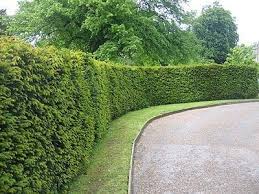
The Dark Green Spreader yew is a low, broad, ground-hugging selection valued for its rich, glossy evergreen needles and tidy, mounded habit. Its dense branching responds exceptionally well to pruning and shearing, making it an easy, dependable framework plant for foundations, slopes, borders, and formal shapes. As a classic Taxus, it is versatile across sun to shade, tolerant of urban conditions, and notably long-lived when given excellent drainage. Flowers are inconspicuous; female plants may set striking red arils in late summer to fall if a male yew is nearby.
Suggested Uses
- Foundation planting
- Low hedge or edging
- Mass planting/groundcover
- Shady borders
- Slope stabilization
- Topiary and shaping
- Outdoor containers
- Year-round structure
- Under windows
- Entryways & courtyards
Plant Details
-
 Botanical NameTaxus 'dark Green Spreader'
-
 Common NameTaxus 'dark Green Spreader'
-
 Size & GrowthTypically 2–3 ft tall x 6–8 ft wide in ~10 years; ultimately 3–4 ft tall x 10–12+ ft wide with age; dense, spreading, mounded habit.
-
 Hardiness ZonesUSDA Zones 4–7 (some sites 8 with protection); avoid heat + poor drainage combinations.
-
 Foliage TypeEvergreen needles; lustrous dark green, lighter on new flushes.
-
 Bloom TimeInconspicuous in early spring; female plants may bear red arils late summer to fall if pollinated.
-
 Growth RateSlow to moderate (about 4–8 inches per year in good conditions).
-
 Light RequirementsFull sun to part shade; best color with morning sun and afternoon shade in hotter regions; tolerates bright open shade.
-
 Attracts PollinatorsNot a pollinator plant (wind-pollinated). Birds may eat the red arils; seeds are toxic.
-
 Indoor FriendlyNo — best grown outdoors; not suitable as a houseplant.
-
 Container FriendlyYes — thrives in large, well-drained outdoor containers; great for entries and patios.
-
 Deer ResistantNo — deer often browse yews, especially in winter; protect where pressure is high.
-
 Pet WarningAll parts except the red aril flesh are highly toxic to pets, livestock, and people if ingested. Keep clippings away from animals.
-
 FragrantNo — foliage and flowers are not notably fragrant.
-
 Cut FlowerExcellent for cut greens and winter arrangements; long-lasting, clean texture in vases (non-edible).
-
 Grows Well WithGrows Well With Hosta, Heuchera, ferns, Hydrangea, Boxwood, Hellebores, Witch Hazel, Azalea/Rhododendron, Viburnum, shade-tolerant perennials and spring bulbs.
Care Tips
-
 Planting InstructionsPlant in spring or early fall. Dig a hole 2–3× the rootball width. Set the crown level with or slightly above grade. Backfill with native soil, water thoroughly, and mulch 2–3 in (keep mulch 2–3 in from stems).
-
 Soil MoistureEven moisture during the first growing season. Once established, moderately drought tolerant but prefers consistent moisture. Avoid waterlogged sites.
-
 Soil TypeWell-drained loam or sandy loam; tolerates a range if drainage is excellent. pH slightly acidic to neutral (about 6.0–7.5). Improve heavy clay with grit/compost and consider raised beds.
-
 HumidityAverage outdoor humidity is fine; ensure good air flow in dense plantings to minimize fungal issues.
-
 Pruning InstructionsShape in late winter to early spring before new growth. Light touch-ups after the spring flush (midsummer) if needed. Yews can sprout from older wood, but always leave some green on pruned branches for best recovery.
-
 Winter CareWater deeply before ground freezes; apply mulch to reduce freeze–thaw. In exposed sites, use a burlap screen to limit winter burn. Avoid de-icing salt splash; brush off heavy snow to prevent splaying.
-
 Planting DepthKeep the top of the rootball at soil surface or slightly elevated for drainage; do not bury the crown. Tease out circling roots at planting.
-
 FertilizationFeed lightly in early spring with a balanced, slow‑release evergreen fertilizer, or top‑dress with compost. Avoid high‑nitrogen feeding late in the season.
-
 Special CareDioecious: berries only on female plants with a male nearby. Protect from deer browse. Never allow “wet feet.” Wear gloves; clippings and seeds are toxic — dispose of safely away from pets/livestock.
Quick Notes
-
Site SelectionChoose a location with excellent drainage; afternoon shade helps in hot summer climates to prevent stress.
-
WildlifeDeer browse yew readily; consider repellents or physical protection where deer pressure is high.