

RedCrocus Euonymus Emerald 'n' Gold (Wintercreeper) - Euonymus fortunei Live Variegated Evergreen Shrub for Landscape or Containers, Sun to Part Shade, USDA 5-9 1 Gallon Nursery Pot
RedCrocus Euonymus Emerald 'n' Gold (Wintercreeper) - Euonymus fortunei Live Variegated Evergreen Shrub for Landscape or Containers, Sun to Part Shade, USDA 5-9 1 Gallon Nursery Pot
Regular price
$60.00 USD
Regular price
$78.00 USD
Sale price
$60.00 USD
Unit price
per
Shipping calculated at checkout.
SKU:berb4b2-redcrocus
Couldn't load pickup availability
Euonymus Emerald N Gold
Variegated Evergreen
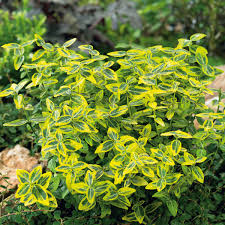
A tough, colorful shrub with glossy green leaves edged in gold, flushing pink in cold weather. Versatile for borders, low hedges, and containers.
Description
Euonymus fortunei ‘Emerald ’n’ Gold’ is a compact, broadleaf evergreen prized for its vivid variegation—deep green centers framed by bright golden margins that take on warm pink tones in winter chill. Dense, mounding growth forms a tidy shrub or groundcover, and with support it can lightly climb. Extremely adaptable and easy to grow, it tolerates urban conditions, a range of soils, and regular pruning or shearing for shape.
Also known commonly as Emerald ’n’ Gold Euonymus or Wintercreeper Euonymus.
Suggested Uses
- Edging & Low Hedges
- Foundation Planting
- Color Contrast
- Groundcover / Slope
- Containers & Planters
- Topiary / Shaping
- Mass Plantings
Plant Details
-
 Botanical NameEuonymus fortunei ‘Emerald ’n’ Gold’
-
 Common NameEuonymus Emerald N Gold (Wintercreeper)
-
 Size & GrowthMounding 2–3 ft tall x 3–5 ft wide; can be kept smaller with pruning. May climb higher with support.
-
 Hardiness ZonesUSDA 5–9
-
 Foliage TypeBroadleaf evergreen; glossy green centers with golden margins; pink winter blush.
-
 Bloom TimeLate spring to early summer; small, inconspicuous flowers (grown primarily for foliage).
-
 Growth RateModerate (faster in fertile, well-watered sites).
-
 Light RequirementsFull sun to part shade; best gold color with 6+ hours of sun.
-
 Attracts PollinatorsLow; occasional small bees/flies visit the tiny blooms.
-
 Indoor FriendlyNot ideal long-term indoors; best grown outdoors. Short-term display only in bright, cool conditions.
-
 Container FriendlyExcellent for pots, patio planters, and mixed containers; responds well to clipping.
-
 Deer ResistantModerate; may be browsed under heavy pressure—protect if deer are prevalent.
-
 Pet WarningToxic if ingested by pets or people; may cause vomiting/diarrhea. Avoid chewing. Keep out of reach.
-
 FragrantNot notably fragrant; grown for foliage color.
-
 Cut FlowerNot a cut flower; variegated foliage can be clipped for arrangements and wreaths.
-
 Grows Well WithGrows Well With Boxwood, dwarf conifers, Heuchera, Lavender, Salvia, Nepeta, Daylily, Spiraea, Hydrangea, ornamental grasses.
Care Tips
-
 Planting InstructionsPlant spring–fall in a hole 2× as wide as the root ball, same depth as the nursery soil line. Tease circling roots, backfill, water thoroughly, and mulch 2–3 in, keeping mulch off stems.
-
 Soil MoistureKeep evenly moist the first growing season; once established, tolerates short dry spells. Avoid waterlogged sites.
-
 Soil TypeAdaptable to loam, clay, or sandy soils if well-drained; pH mildly acidic to slightly alkaline (≈6.0–7.5).
-
 HumidityHandles a wide humidity range outdoors; ensure good air flow to reduce foliar disease in very humid climates.
-
 Pruning InstructionsShear or selectively prune in late winter or after a flush of growth to maintain shape. Promptly remove all-green “reversion” shoots to preserve variegation.
-
 Winter CareHardy to Zone 5. In colder sites, mulch roots in late fall and shield from strong winter wind/sun to reduce leaf scorch. Protect container-grown roots from deep freezes.
-
 Planting DepthSet the crown level with or slightly above surrounding soil; do not bury stems. Space plants 24–48 in apart for hedges or groundcover.
-
 FertilizationFeed lightly in early spring with a balanced, slow‑release fertilizer or 1–2 in of compost. Avoid excessive nitrogen to maintain compact growth and vivid color.
-
 Special CareMonitor for euonymus scale; inspect stems/leaf undersides. Treat early with horticultural oil if needed. Can send out runners or self-layer—edge or clip to confine. Avoid allowing stems to attach to wood siding if you don’t want it to climb.