

RedCrocus Juniperus 'Blue Pacific' (Shore Juniper) Evergreen Groundcover, Blue-Green Foliage, Full Sun, Outdoor, Zones 6-9, Container Friendly 1 Gallon Nursery Pot
RedCrocus Juniperus 'Blue Pacific' (Shore Juniper) Evergreen Groundcover, Blue-Green Foliage, Full Sun, Outdoor, Zones 6-9, Container Friendly 1 Gallon Nursery Pot
SKU:berb345-redcrocus
Couldn't load pickup availability
Juniperus Blue Pacific
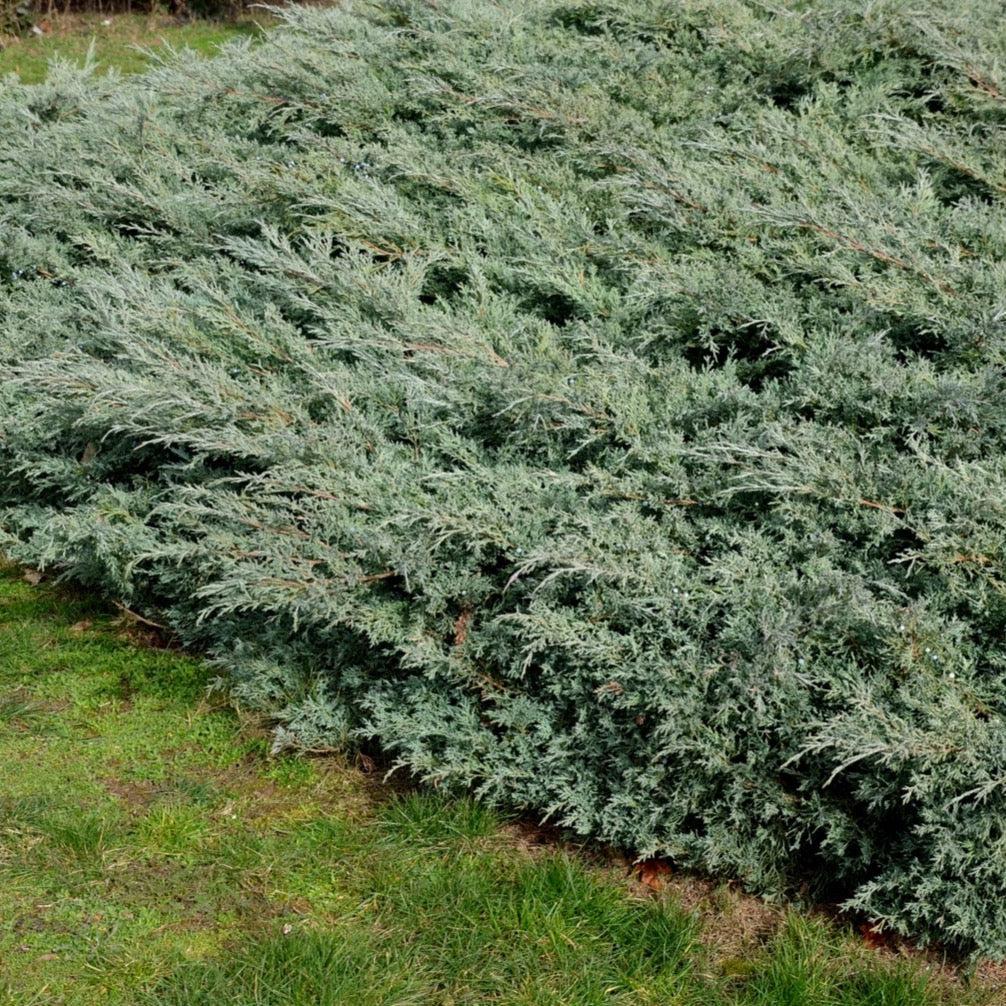
A durable, low, spreading shore juniper prized for its dense blue‑green needles, excellent salt and drought tolerance, and year‑round color. Ideal for slopes, coastal gardens, and tough, sunny sites.
Description
Juniperus Blue Pacific is a compact selection of shore juniper known for its soft, awl‑like blue‑green foliage that takes on a cooler steel‑blue cast in winter. Forming a dense, weed‑smothering carpet, it typically grows 6–12 inches tall and spreads 6–8+ feet over time. Exceptionally tolerant of salt spray, wind, heat, and sandy soils, this evergreen groundcover excels on slopes and coastal sites where many plants struggle. Low maintenance and highly adaptable, it brings durable texture and year‑round color to modern landscapes.
Plant Details
-
 Botanical NameJuniperus Blue Pacific Sold Out
-
 Common NameJuniperus Blue Pacific (Shore Juniper)
-
 Size & Growth6–12 in tall; 6–8+ ft spread; dense, trailing, mat‑forming habit.
-
 Hardiness ZonesUSDA Zones 6–9 (may persist in sheltered Zone 5 with protection and sharp drainage).
-
 Foliage TypeEvergreen conifer; soft, awl‑like needles; blue‑green turning steel‑blue in cooler months.
-
 Bloom TimeInconspicuous; wind‑pollinated; may produce small, berry‑like cones.
-
 Growth RateModerate; typically extends 6–12 in of spread per year once established.
-
 Light RequirementsFull sun (6+ hours) for best density and color; tolerates light shade.
-
 Attracts PollinatorsNot a pollinator plant (wind‑pollinated), but provides habitat for beneficial insects and birds.
-
 Indoor FriendlyNo; best grown outdoors in landscape conditions.
-
 Container FriendlyYes; thrives in large, well‑drained containers with a cascading habit over edges.
-
 Deer ResistantYes; generally avoided by deer and rabbits.
-
 Pet WarningIngestion of berries/foliage may cause mild GI upset; prickly needles can irritate skin—site away from pet pathways.
-
 FragrantSubtly aromatic; resinous foliage releases a pleasant scent when brushed or crushed.
-
 Cut FlowerNot typical; sprigs suit winter and holiday arrangements for texture and color.
-
 Grows Well WithGrows Well With Sedum, Thyme, Lavender, Rosemary, Santolina, Armeria, Yucca, and low ornamental grasses (Festuca, Helictotrichon).
Care Tips
-
 Planting InstructionsPlant in spring or fall; space 4–6 ft apart to allow spread. Loosen circling roots, set the root ball level with surrounding soil, water in thoroughly, and mulch 2–3 in deep (keep mulch off the stems).
-
 Soil MoistureKeep evenly moist the first growing season; afterward, water deeply but infrequently. Very drought tolerant once established; avoid consistently wet conditions.
-
 Soil TypePrefers well‑drained sandy or loamy soils; tolerates poor, rocky, and saline coastal soils. In heavy clay, plant on a slight mound and amend with grit for drainage.
-
 HumidityHandles coastal humidity and salt spray. Ensure good airflow; avoid dense shade and stagnant, overly humid pockets to reduce foliar disease pressure.
-
 Pruning InstructionsMinimal pruning needed. Lightly shear after spring flush to control spread and remove winter damage. Do not cut back into old, leafless wood—junipers do not regenerate from it.
-
 Winter CareHardy in Zones 6–9. Mulch in late fall to buffer freeze‑thaw cycles and ensure excellent drainage. In exposed sites at colder edges, protect from desiccating winds the first winter.
-
 Planting DepthSet the top of the root ball level with or slightly above the surrounding grade. Do not bury the crown; elevate 2–3 in on mounds in poorly drained soils.
-
 FertilizationLight feeder. Apply a slow‑release, balanced conifer fertilizer in early spring only if growth seems light; avoid high‑nitrogen formulas and stop feeding by midsummer.
-
 Special CareExcellent salt and drought tolerance; ideal for erosion control. Provide spacing for airflow; avoid overwatering. Monitor for spider mites in hot, dry periods and avoid overhead watering late in the day.