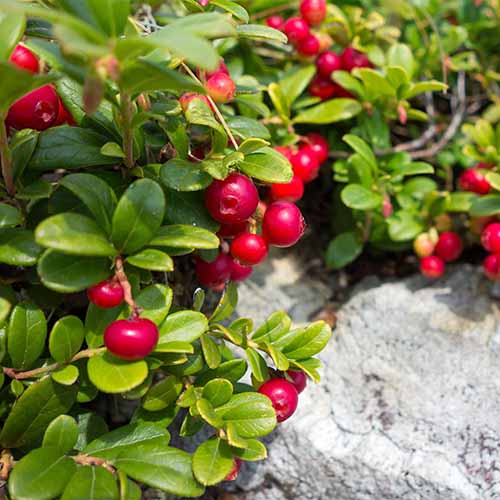


RedCrocus Stevens Red Cranberry Live Plant (Vaccinium), Cold-Hardy Edible Groundcover, Evergreen Vine for Sun, Container/Bog Friendly, Zones 2-7 4" Pot
RedCrocus Stevens Red Cranberry Live Plant (Vaccinium), Cold-Hardy Edible Groundcover, Evergreen Vine for Sun, Container/Bog Friendly, Zones 2-7 4" Pot
SKU:beraed1-redcrocus
Couldn't load pickup availability
Cranberry- Stevens Red
A dependable American cranberry selection prized for vivid scarlet fruit, glossy evergreen foliage, and exceptional cold hardiness.
Description
Cranberry- Stevens Red is a vigorous selection of American cranberry known for reliable yields and richly colored fruit. It forms a low, spreading mat of fine-textured, glossy evergreen foliage that often blushes bronze to burgundy in cold weather. Delicate pink, nodding flowers appear in late spring, followed by firm, bright red berries that ripen from late summer into fall—perfect for fresh use, sauces, juices, preserves, and festive decor.
Best performance comes in cool climates with acidic, organic, and sandy soils kept consistently moist. Ideal for raised “bog-style” beds, rain gardens, and broad containers, this cranberry also serves as an attractive edible groundcover that supports pollinators and offers striking autumn interest.
Suggested Uses
Versatile in edible and ornamental plantings alike. Use it to:
Plant Details
-
 Botanical NameCranberry- Stevens Red
-
 Common NameCranberry- Stevens Red
-
 Size & GrowthLow, spreading evergreen vine; 4–8 in tall; runners spread 3–5+ ft over time; forms dense mats with short upright fruiting shoots.
-
 Hardiness ZonesUSDA Zones 2–7 (very cold hardy; prefers cool summers).
-
 Foliage TypeEvergreen; small, glossy leaves that turn bronze to red in cold weather.
-
 Bloom TimeLate spring to early summer; fruit ripens late summer into fall.
-
 Growth RateModerate; spreads steadily in sandy, acidic organic media.
-
 Light RequirementsFull sun (6+ hours) for best flowering and fruiting; light shade tolerated with reduced yield.
-
 Attracts PollinatorsYes—visited by native bees and bumblebees during bloom.
-
 Indoor FriendlyNo—best grown outdoors; requires cool conditions and high light.
-
 Container FriendlyYes—thrives in broad, shallow containers or raised “bog” planters with the right acidic, moisture-retentive medium.
-
 Deer ResistantGenerally deer resistant; foliage is not a preferred browse.
-
 Pet WarningNon-toxic to cats and dogs; large quantities may cause stomach upset. Avoid sweetened dried mixes (often include raisins, which are toxic to pets).
-
 FragrantNot notably fragrant; grown for fruit and foliage color.
-
 Cut FlowerUncommon as cut flowers; fruiting sprigs are excellent for autumn and holiday arrangements.
-
 Grows Well WithGrows Well With Blueberries, lingonberries, bog rosemary, heaths & heathers, dwarf sedges/rushes, use pine needle mulch or sphagnum top-dressing.
Care Tips
-
 Planting InstructionsCreate a 6–8 in deep bed of 2:1 peat moss to coarse sand (or fine pine bark), pH 4.0–5.5. Space rooted runners 12–18 in apart. Water thoroughly and mulch lightly with pine needles. Keep crown at soil surface.
-
 Soil MoistureKeep evenly moist to wet (bog-like), never allowing the bed to dry out. Avoid stagnant, anaerobic water; ensure very high organic content for capillary moisture.
-
 Soil TypeAcidic, sandy, organic medium (peat/sand blend). Target pH 4.0–5.5. Do not add lime; use elemental sulfur if pH drifts upward.
-
 HumidityPrefers moderate to high ambient humidity; protect from hot, desiccating winds to reduce berry drop and leaf scorch in summer heat.
-
 Pruning InstructionsLate winter or very early spring, thin vigorous runners to encourage upright fruiting shoots. Lightly shear to maintain density; remove dead or weak growth. Pinch off first-year flowers to strengthen establishment.
-
 Winter CareVery hardy; apply 2–3 in pine needle or straw mulch after freeze-up in exposed sites. For containers, insulate the pot or heel into the ground to prevent root heave and drying winds.
-
 Planting DepthSet so the crown sits level with the finished surface. Cover roots 2–3 in deep; top-dress with 0.5 in clean sand after planting to encourage rooting and suppress weeds.
-
 FertilizationLight feeder. Use an acid-forming fertilizer (for azalea/rhododendron) at 1/4–1/2 strength in late spring if growth is pale; avoid high nitrogen. Supplement iron or sulfur if leaves yellow from high pH.
-
 Special CareEncourage pollinators; avoid insecticides during bloom. Net plants as fruit colors to deter birds. Annual 0.5–1 in clean sand top-dressing improves vigor and weed control. Use rainwater if tap water is alkaline.