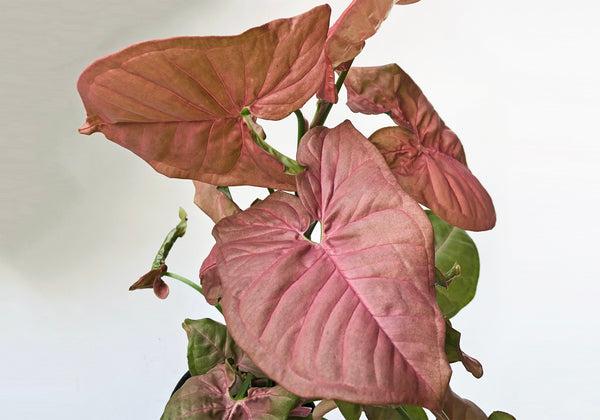


RedCrocus Neon Pink Syngonium Arrowhead Plant- Vibrant Tropical Foliage for Indoor Decor 8" Hanging Basket (1 Hanging Basket)
RedCrocus Neon Pink Syngonium Arrowhead Plant- Vibrant Tropical Foliage for Indoor Decor 8" Hanging Basket (1 Hanging Basket)
Regular price
$70.00 USD
Regular price
$91.00 USD
Sale price
$70.00 USD
Unit price
per
Shipping calculated at checkout.
SKU:berae0a-redcrocus
Couldn't load pickup availability
Syngonium - Arrowhead Neon Pink
Description
This vibrant cultivar features arrow-shaped leaves with a striking neon pink coloration, adding a splash of color and tropical charm to your indoor or outdoor space. Its lush foliage and adaptable growth make it a popular choice for collectors and casual plant enthusiasts alike.
Suggested Uses
Ideal for indoor decor, tropical garden beds, and shaded landscape areas. Perfect as a lively focal point or as part of a mixed container arrangement to bring a splash of color and texture.
Plant Details
-
 Botanical Name: Syngonium - Arrowhead Neon Pink
 -
 Common Name: Syngonium - Arrowhead
 -
 Size & Growth: Typically reaches 1-2 ft indoors with a bushy, upright habit
 -
 Hardiness Zones: 10-12 (tropical/subtropical)
 -
 Foliage Type: Variegated, Evergreen
 -
 Bloom Time: Rarely flowers when grown indoors
 -
 Growth Rate: Moderate to Fast
 -
 Light Requirements: Bright, indirect light
 -
 Attracts Pollinators: No
 -
 Indoor Friendly: Yes
 -
 Container Friendly: Yes
 -
 Deer Resistant: Yes
 -
 Pet Warning: Toxic to pets if ingested
 -
 Fragrant: No
 -
 Cut Flower: No
 -
 Grows Well With: philodendrons, pothos, ficus
Care Tips
-
 Planting Instructions: Use well-draining soil; keep soil consistently moist but not waterlogged
 -
 Soil Moisture: Maintain evenly moist soil
 -
 Soil Type: Rich, well-draining potting mix
 -
 Humidity: Prefers high humidity; mist regularly or use a humidifier
 -
 Pruning Instructions: Trim leggy growth to maintain shape and promote bushiness
 -
 Winter Care: Reduce watering frequency; keep away from cold drafts
 -
 Planting Depth: Plant at same depth as in current container
 -
 Fertilization: Feed monthly during growing season with balanced fertilizer
 -
 Special Care: Remove dust from leaves to keep plant healthy and vibrant