

RedCrocus Azara microphylla (Boxleaf Azara) Live Plant – Evergreen shrub/small tree, yellow late-winter blooms, partial shade, USDA Zones 8–10 1 Gallon Nursery Pot
RedCrocus Azara microphylla (Boxleaf Azara) Live Plant – Evergreen shrub/small tree, yellow late-winter blooms, partial shade, USDA Zones 8–10 1 Gallon Nursery Pot
SKU:bera82a-redcrocus
Couldn't load pickup availability
Azara Micro. Boxleaf Azara
Evergreen, chocolate‑vanilla fragrant late‑winter bloomer for mild climates
Description
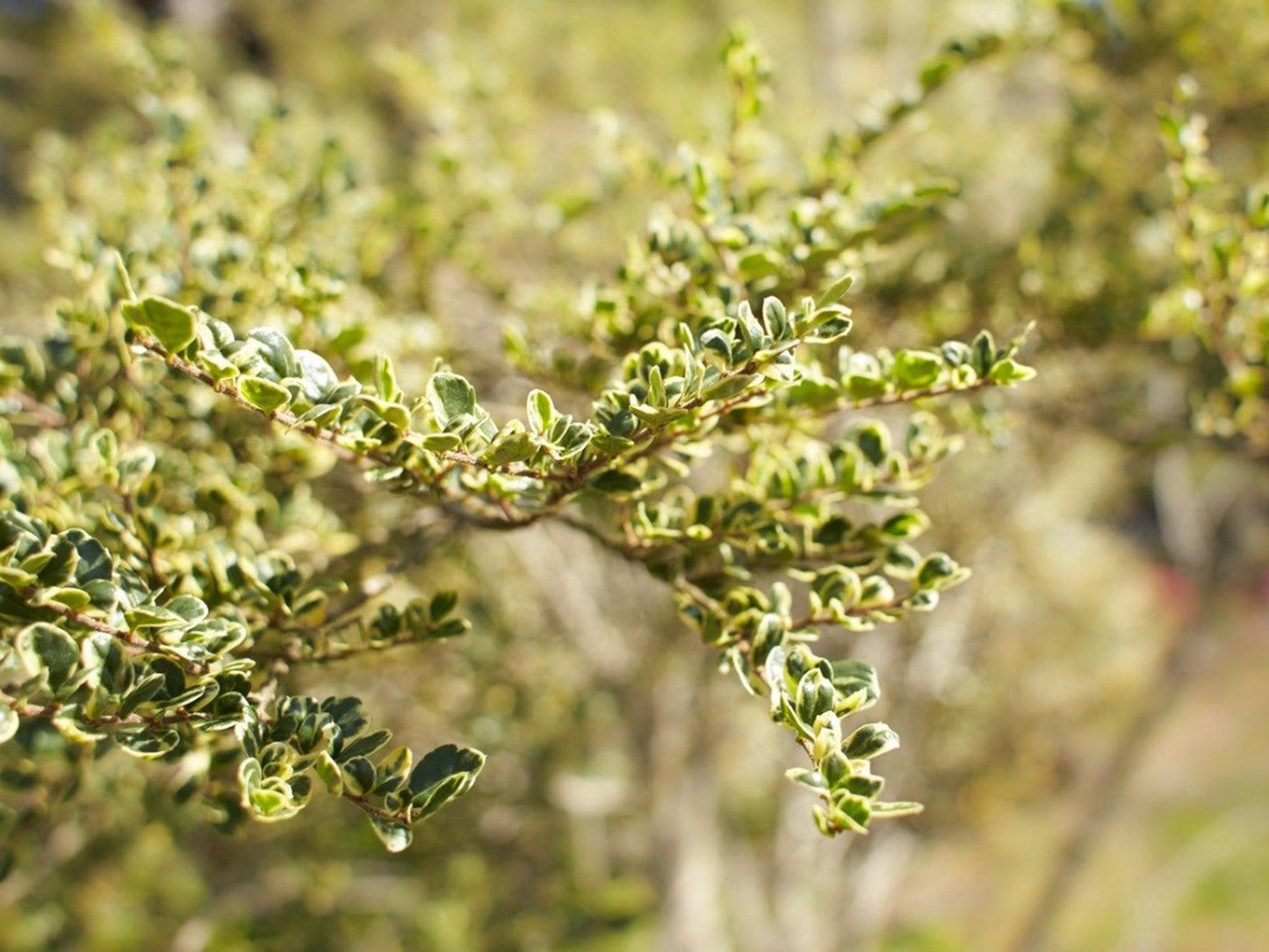
Azara Micro. Boxleaf Azara is an elegant evergreen shrub or small tree prized for its fine-textured, boxwood-like foliage and wonderfully scented yellow pom‑pom flowers that open from late winter into early spring. In mild regions, its layered, horizontal branching creates a graceful screen or espalier, while the sweet chocolate/vanilla fragrance carries on cool evenings when few other plants are in bloom. Best in a sheltered spot with morning sun and afternoon shade, it thrives where soils are fertile and evenly moist. Note: This plant is commonly known in horticulture as Azara microphylla (Boxleaf azara).
Suggested Uses
-
 Fragrantwinter interest near doors/paths
- Woodland and shade borders
- Evergreen screening or informal hedge
- Espalier against a warm wall
- Large patio container (move to shelter in freezes)
- Pollinator support in late winter
- Courtyard and coastal-mild gardens
Plant Details
-
 Botanical NameAzara Micro. Boxleaf Azara (widely known as Azara microphylla)
-
 Common NameAzara Micro. (Boxleaf azara, Vanilla azara)
-
 Size & Growth12–20 ft tall × 6–12 ft wide; upright, layered branching; trainable as small tree or espalier; slow to moderate growth.
-
 Hardiness ZonesUSDA 8–10 (7b with excellent shelter and winter protection).
-
 Foliage TypeEvergreen; tiny, glossy, boxwood-like leaves on horizontally tiered stems.
-
 Bloom TimeLate winter to early spring (often February–April), clusters of small yellow flowers.
-
 Growth RateSlow to moderate; faster in rich, evenly moist soils with shelter from wind.
-
 Light RequirementsPartial shade to bright, dappled light; morning sun with afternoon shade preferred. In cool-summer climates, tolerates full sun if soil stays evenly moist.
-
 Attracts PollinatorsYes — early-season nectar source for bees and hoverflies.
-
 Indoor FriendlyPrimarily an outdoor shrub; can be kept in a bright, cool sunroom or conservatory in colder zones.
-
 Container FriendlyYes — thrives in large containers with consistent moisture; move to a protected spot during hard freezes.
-
 Deer ResistantModerately deer resistant; not usually a first choice for browsing.
-
 Pet WarningNo confirmed toxicity reported for Azara microphylla; still avoid ingestion and discourage chewing to prevent GI upset.
-
FragrantYes — notable chocolate/vanilla aroma, especially in the evening during bloom.
-
 Cut FlowerOccasionally; small blooms but branches can be cut for fragrance (short vase life).
-
 Grows Well WithGrows Well With Camellia, Sarcococca, Daphne, Fatsia, Helleborus, Mahonia, Pieris, Ferns, Heuchera, Fuchsia, Hydrangea.
Care Tips
-
 Planting InstructionsPlant in spring or fall in a sheltered site. Dig a hole 2× the width of the root ball and equal depth; set the crown level with the soil surface. Backfill with native soil blended with compost, water thoroughly, and mulch 2–3 inches, keeping mulch off stems.
-
 Soil MoistureKeep evenly moist, especially for the first 1–2 years. Do not allow prolonged drought; avoid waterlogged conditions by ensuring good drainage.
-
 Soil TypeFertile, well‑drained loam is ideal; tolerates sandy or clay soils when amended with organic matter. pH slightly acidic to neutral (approx. 6.0–7.0).
-
 HumidityAverage outdoor humidity is fine. For indoor overwintering, provide moderate humidity and good air circulation in a bright, cool room.
-
 Pruning InstructionsMinimal pruning needed. Lightly shape immediately after flowering; remove dead, damaged, or crossing wood. For espalier, tie in young, flexible shoots; avoid hard cuts into old wood.
-
 Winter CareMulch root zone in late fall and shield from cold, drying winds. In zones colder than 8, overwinter container plants in a bright, frost‑free space (35–45°F / 2–7°C) and water sparingly to keep soil just moist.
-
 Planting DepthPlant at the same depth as it grew in the container; do not bury the trunk flare. Maintain a mulch‑free gap around stems to prevent rot.
-
 FertilizationFeed in early spring with a balanced, slow‑release fertilizer or top‑dress with compost. Container plants benefit from light, monthly feeding during the growing season; avoid heavy nitrogen.
-
 Special CareProvide afternoon shade in hot‑summer regions; train against a warm wall for improved flowering. Water during heatwaves; watch for scale or aphids and treat early. In containers, flush soil periodically to prevent salt buildup.