

RedCrocus Alocasia 'Metal Head' Live Plant – Metallic, Architectural Foliage Houseplant for Bright, Humid Spaces; Compact, Modern Accent 10" Pot
RedCrocus Alocasia 'Metal Head' Live Plant – Metallic, Architectural Foliage Houseplant for Bright, Humid Spaces; Compact, Modern Accent 10" Pot
Regular price
$132.00 USD
Regular price
$171.60 USD
Sale price
$132.00 USD
Unit price
per
Shipping calculated at checkout.
SKU:bera66e-redcrocus
Couldn't load pickup availability
Alocasia Metal Head
A striking Alocasia with a deep, metallic sheen and architectural leaves—ideal for bright, humid spaces and modern containers.
Tropical Foliage • Statement Houseplant
Description
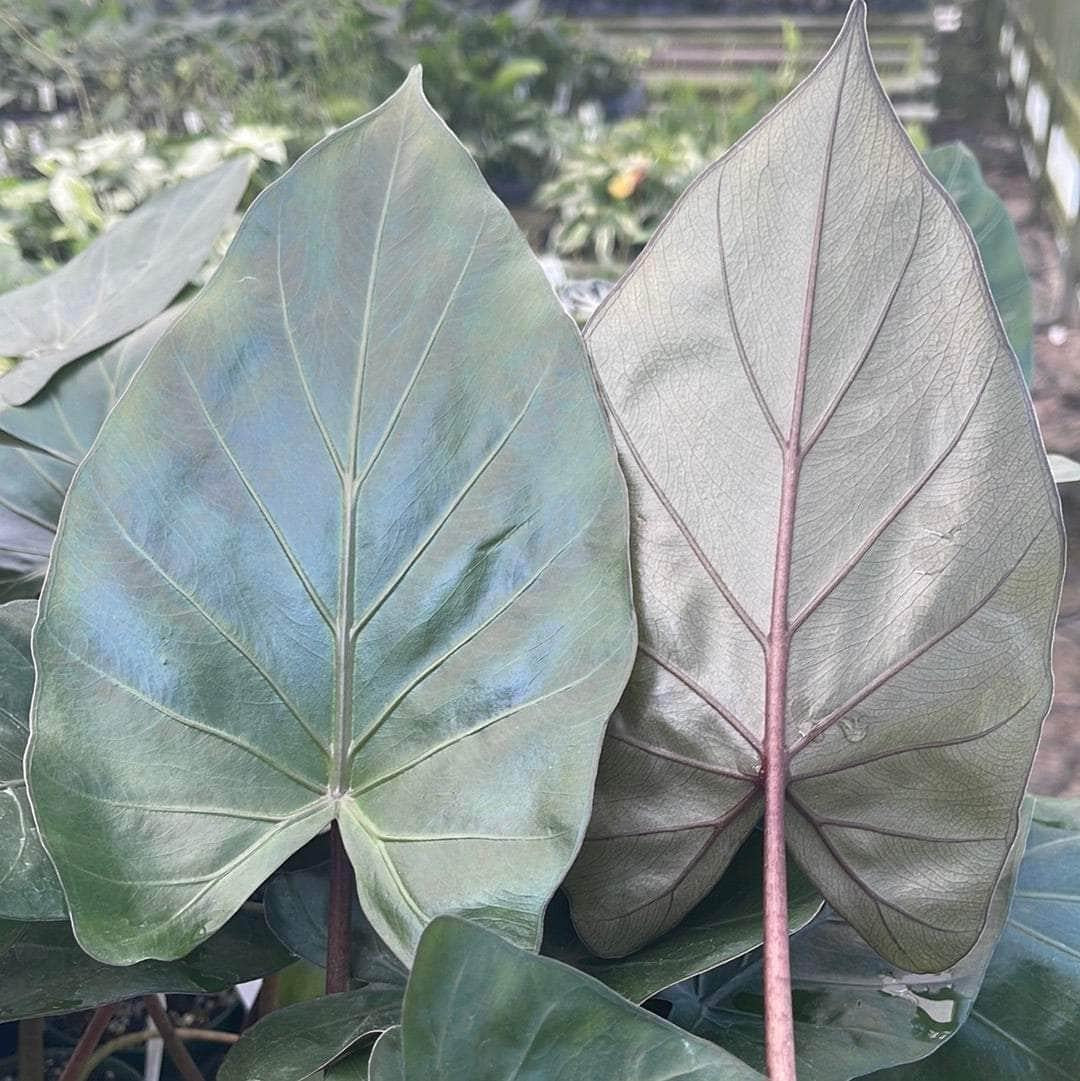
Alocasia Metal Head is prized for its bold, sculptural leaves that shimmer with a graphite-to-olive metallic gloss. Thick, upward-held foliage with prominent venation gives this plant dramatic, contemporary presence. Vigorous in warm, bright, humid conditions, it forms a compact clump that reads as living art in interiors and shaded patios. While blooms are possible, this Alocasia is grown almost exclusively for its exceptional foliage character and texture.
Plant Details

Botanical Name
Alocasia Metal Head

Common Name
Alocasia (Elephant Ear)

Size & Growth
Indoors: 2–3 ft tall, 1.5–2.5 ft wide; outdoors in frost‑free areas: 3–5 ft. Clumping habit with upright petioles.

Hardiness Zones
USDA 10–12 (9b with protection). Grow as a houseplant or summer patio specimen elsewhere.

Foliage Type
Evergreen, broad, glossy leaves with a deep metallic sheen; pronounced venation; arrow‑ovate shape.

Bloom Time
Infrequent; inconspicuous aroid spathes, typically late spring to summer if conditions are ideal.

Growth Rate
Moderate to fast in warm, humid, bright conditions with consistent moisture.

Light Requirements
Bright, indirect light or filtered sun; avoid harsh midday rays. Dappled shade outdoors.

Attracts Pollinators
Low—grown for foliage; occasional blooms are not significant for pollinators.

Indoor Friendly
Excellent houseplant with bright filtered light and higher humidity.

Container Friendly
Thrives in well‑drained containers; prefers a snug pot and airy aroid mix.

Deer Resistant
Yes—sap deters browsing; moderate deer resistance.

Pet Warning
Toxic if chewed or ingested (calcium oxalate). Keep away from pets and children; sap may irritate skin.

Fragrant
No—grown for striking foliage rather than fragrance.

Cut Flower
Not a cut flower; bold leaves may be used short‑term as foliage accents in arrangements.

Grows Well With
Philodendron, Anthurium, Calathea/Maranta, Ctenanthe, Ferns, Bromeliads, Colocasia in similar humidity and light.
Note: Attribute values are based on typical Alocasia care; individual performance varies with environment.
Care Tips

Planting Instructions
Use a pot with ample drainage; choose a vessel 2–3 inches wider than the root ball. Set the crown just above the soil line, water to settle, and acclimate gradually to brighter light. Do not bury petiole bases.

Soil Moisture
Keep evenly moist but never soggy. Allow the top 1 inch of mix to dry between waterings; reduce frequency in winter or during semi‑dormancy.

Soil Type
Airy, fast‑draining aroid mix: ~40% high‑quality potting mix/coir, 30% fine orchid bark, 20% perlite/pumice, 10% compost; pH 5.5–6.5.

Humidity
Prefers 60–80% RH; tolerates ~50%. Use a humidifier or pebble tray, group plants, and avoid dry drafts or heating vents.

Pruning Instructions
Remove yellowing or damaged leaves at the base with sterile shears. Wipe foliage with a damp cloth to maintain sheen and photosynthesis.

Winter Care
Keep warm (65–80°F; never below 60°F). Provide brightest possible indirect light, reduce watering and fertilizer, and expect slower growth or semi‑dormancy.

Planting Depth
Set rhizome/corm just below the surface; maintain original soil line when repotting. For in‑ground tropical beds, plant crown level with the soil.

Fertilization
Feed spring–summer with a balanced liquid fertilizer (e.g., 3‑1‑2 or 20‑10‑20) at 1/4–1/2 strength every 4–6 weeks. Flush salts monthly; avoid fertilizing dry soil.

Special Care
Rotate monthly for even growth; use filtered/distilled water if hard water spotting occurs. Monitor spider mites, thrips, and mealybugs—treat promptly and maintain good airflow. Repot every 1–2 years in spring.