

RedCrocus Emerald Gaiety Euonymus Live Plant – Variegated Evergreen Shrub or Climbing Groundcover, Outdoor Landscape and Containers, Low Maintenance, Year-Round Color 5 Gallon Nursery Pot
RedCrocus Emerald Gaiety Euonymus Live Plant – Variegated Evergreen Shrub or Climbing Groundcover, Outdoor Landscape and Containers, Low Maintenance, Year-Round Color 5 Gallon Nursery Pot
Regular price
$200.00 USD
Regular price
$260.00 USD
Sale price
$200.00 USD
Unit price
per
Shipping calculated at checkout.
SKU:bera5f1-redcrocus
Couldn't load pickup availability
Euonymus Emerald Gaiety
Description
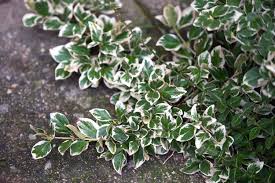
Compact, evergreen euonymus with small, glossy leaves splashed deep green with irregular white margins. Forms a dense, mounding to spreading shrub; stems may climb if given support. Cold weather can tint leaf edges pink. Tough, adaptable, and highly tolerant of pruning and urban conditions.
Suggested Uses
Low hedge or edging, foundation planting, groundcover on slopes, mixed borders, patio and doorstep containers, topiary forms, and coastal or urban gardens. Bright variegation adds year-round contrast in sun or partial shade.
Plant Details
-
 Botanical Name: Euonymus fortunei 'Emerald Gaiety'
 -
 Common Name: Emerald Gaiety Wintercreeper; Variegated Euonymus
 -
 Size & Growth: 2–3 ft tall and 3–5 ft wide as a shrub; can climb to 5–6 ft with support. Moderate to fast growth.
 -
 Hardiness Zones: USDA 5–9
 -
 Foliage Type: Evergreen, small opposite leaves; green centers with white margins, often flushed pink in winter cold.
 -
 Bloom Time: Late spring to early summer; flowers are small and inconspicuous. Occasional orange fruits in fall.
 -
 Growth Rate: Moderate to fast
 -
 Light Requirements: Full sun to partial shade (best variegation with 4–6+ hours of sun); tolerates bright shade.
 -
 Attracts Pollinators: Not a primary pollinator plant; small bees/flies may visit the flowers. Birds may eat the berries if produced.
 -
 Indoor Friendly: Not recommended as a long-term houseplant; best grown outdoors.
 -
 Container Friendly: Yes—performs well in pots and planters; protect container roots in severe cold.
 -
 Deer Resistant: No—deer may browse in some areas; protect where pressure is high.
 -
 Pet Warning: Toxic if ingested (dogs, cats, livestock); may cause vomiting and diarrhea—plant responsibly.
 -
 Fragrant: No—grown for foliage rather than scent or bloom.
 -
 Cut Flower: Foliage is excellent as a long-lasting variegated filler in arrangements.
 -
 Grows Well With: Boxwood, dwarf conifers, Hellebores, Hydrangea, Heuchera, Hostas, ornamental grasses, and sun/part-shade perennials.
Care Tips
-
 Planting Instructions: Space 24–36 in. apart. Plant at the same depth as in the pot; tease apart circling roots; backfill with amended native soil and water thoroughly to settle.
 -
 Soil Moisture: Keep evenly moist the first growing season; once established, water when the top inch of soil is dry. Avoid soggy conditions.
 -
 Soil Type: Adaptable to most well-drained soils; tolerates clay and urban conditions; pH 6.0–7.5 ideal.
 -
 Humidity: Average outdoor humidity is fine; ensure good air flow to reduce foliar diseases.
 -
 Pruning Instructions: Shear or prune to shape after the spring flush or in late summer. Remove wandering/climbing stems if groundcover is desired. Very tolerant of pruning and hedging.
 -
 Winter Care: Mulch 2–3 in. to protect roots; shield from harsh winter winds to limit leaf scorch. In containers, insulate pots or overwinter in a sheltered spot.
 -
 Planting Depth: Set the crown level with the surrounding soil; do not bury stems. Water to eliminate air pockets.
 -
 Fertilization: Apply a balanced, slow-release fertilizer in early spring; top-dress with compost annually. Avoid heavy nitrogen late in the season.
 -
 Special Care: Monitor for euonymus scale and treat early; provide good air circulation to deter mildew. In regions where Euonymus fortunei is invasive, prevent spread—do not allow vines to escape, remove berries, and avoid planting near natural areas.