

RedCrocus Taxus 'Eddie' Live Yew Shrub - Evergreen Hedge or Foundation Plant, Shade-Tolerant, Deer-Resistant 5 Gallon Nursery Pot
RedCrocus Taxus 'Eddie' Live Yew Shrub - Evergreen Hedge or Foundation Plant, Shade-Tolerant, Deer-Resistant 5 Gallon Nursery Pot
Regular price
$260.00 USD
Regular price
$338.00 USD
Sale price
$260.00 USD
Unit price
per
Shipping calculated at checkout.
SKU:bera4bc-redcrocus
Couldn't load pickup availability
Taxus Eddie
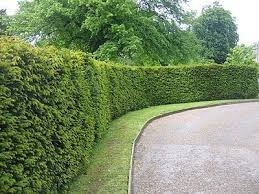
A sleek, narrow, evergreen yew with refined texture and year‑round structure—ideal for tight hedges, entry accents, and containers.
Description
Taxus Eddie is a narrow, upright selection of yew prized for its dense, dark‑green needles and naturally columnar habit. Its refined texture and excellent tolerance of pruning make it a superb choice for space‑saving hedges, vertical accents, and formal topiary. Like other yews, it is long‑lived, adaptable to sun or shade, and resilient in urban conditions when given good drainage. In spring, inconspicuous flowers may be followed on female plants by showy red arils in late season (if a male yew is nearby for pollination). All parts except the fleshy aril are toxic if ingested, so site thoughtfully where pets or livestock are present.
Suggested Uses
Narrow hedges & screens
Entryway pillars / flanking accents
Foundation plantings
Formal clipping & topiary
Specimen in large containers
Mixed evergreen borders
Shade gardens (bright to medium)
Year‑round structure & winter interest
Urban and courtyard landscapes
Plant Details

Botanical Name
Taxus Eddie

Common Name
Taxus Eddie

Size & Growth
Naturally narrow and upright; about 8–12 ft tall and 2–3 ft wide in 10 years; can mature to 12–15 ft tall over time. Dense branching; excellent for tight spaces.

Hardiness Zones
USDA Zones 4–7 (with reliable snow cover or shelter, sometimes 8 in cool-summer regions).

Foliage Type
Evergreen needled conifer; glossy, dark‑green needles with a fine, formal texture year‑round.

Bloom Time
Inconspicuous in early spring; female plants may produce showy red arils late summer to fall if pollinated.

Growth Rate
Slow to moderate; typically 4–10 inches of new growth per year depending on site and care.

Light Requirements
Full sun to full shade; best density in sun to part shade. Provide afternoon shade in hotter climates to avoid scorch.

Attracts Pollinators
No. Yews are wind‑pollinated and generally not a pollinator resource.

Indoor Friendly
Not recommended as a houseplant. Best outdoors; can be overwintered outside in its hardiness zone.

Container Friendly
Yes. Performs well in large, well‑drained containers; responds well to clipping for formal shapes.

Deer Resistant
No. Deer commonly browse yews heavily where pressure is high; protect newly planted specimens.

Pet Warning
All parts except the fleshy red aril are highly toxic to humans, pets, and livestock if ingested. Do not allow grazing; wear gloves when pruning.

Fragrant
No noticeable floral fragrance.

Cut Flower
Yes. Foliage is excellent as long‑lasting greenery in winter and holiday arrangements.

Grows Well With
Boxwood, Japanese holly, hemlock, hydrangea, hosta, ferns, hellebores, astilbe, Hakonechloa, and other shade‑tolerant perennials.
Note: This cultivar’s sex is not always specified in trade listings. Fruit (red arils) occur only on female plants if a compatible male is nearby.
Toxicity caution: Yews contain potent alkaloids. Keep clippings and seeds away from pets, children, and livestock.
Care Tips

Planting Instructions
Plant in spring or early fall. Dig a hole 2–3× wider than the root ball and no deeper; set the root flare at or slightly above grade. Tease out circling roots, backfill with native soil, water deeply, and mulch 2–3 in, keeping mulch off the stem.

Soil Moisture
Evenly moist during the first 1–2 growing seasons. Moderately drought tolerant once established. Avoid standing water or chronically soggy conditions.

Soil Type
Well‑drained loam or sandy loam is ideal; tolerates clay if drainage is improved. pH neutral to slightly alkaline (approx. 6.0–7.5).

Humidity
Average outdoor humidity is sufficient. Provide good air circulation; avoid reflective heat and excessive salt exposure. Rinse winter salt spray if near roads or sidewalks.

Pruning Instructions
Lightly shear after spring flush to maintain a crisp column. Yews back‑bud well and tolerate harder renovation cuts, but avoid heavy pruning after midsummer to prevent tender regrowth before frost.

Winter Care
Water deeply before the ground freezes; maintain a 2–3 in mulch layer. In exposed sites, use burlap wind screens to limit winter burn. Protect from road salt; shelter containers or insulate pots in cold zones.

Planting Depth
Keep the root flare at soil level. Do not bury the trunk. For containers, top of root ball should sit about 1 in below the rim to allow for watering and mulch clearance.

Fertilization
Low to moderate feeder. Apply a balanced, slow‑release evergreen/conifer fertilizer in early spring if growth is light. Alternatively, top‑dress with compost annually. Avoid late‑season high‑nitrogen feeds.

Special Care
Dioecious species (separate male/female plants); berries only on females with a male nearby. All parts are toxic if ingested. Ensure sharp drainage to prevent root rot; monitor for scale or dieback. Excellent candidate for formal clipping and container culture.