Skip to product information
1 of 9

RedCrocus Hinoki Cypress 'Gold Drop' (Chamaecyparis obtusa) - Dwarf Golden Evergreen, Compact Mounding Accent for Rock Gardens, Containers & Bonsai - Live Plant 1 Gallon Nursery Pot

RedCrocus Hinoki Cypress 'Gold Drop' (Chamaecyparis obtusa) - Dwarf Golden Evergreen, Compact Mounding Accent for Rock Gardens, Containers & Bonsai - Live Plant 1 Gallon Nursery Pot

Regular price $90.00 USD
Regular price $117.00 USD Sale price $90.00 USD
Sale Sold out
Shipping calculated at checkout.

SKU:ber9f77-redcrocus

Pot Size

Chamaecyparis Ob. Gold Drop

Evergreen Conifer • Dwarf Hinoki Cypress

A compact, golden selection of Hinoki cypress prized for its finely textured, fan-shaped sprays and tidy, mounding habit. Offers year-round color, architectural structure, and exceptional reliability in borders, rock gardens, and containers.

Description

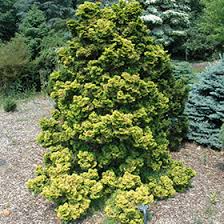
Chamaecyparis Ob. Gold Drop is a dwarf, slow-growing Hinoki cypress with glowing gold to yellow-green tips over rich, deep-green inner foliage. Its naturally rounded, cushion to mounded habit keeps a neat outline with minimal pruning. The scale-like sprays add soft texture and catch light beautifully, making this cultivar a standout accent for small gardens, foundation plantings, and refined container displays. Best color develops with ample sun and evenly moist, well-drained soil. Though it does not bloom, the plant provides year-round structure and subtle resinous fragrance when the foliage is gently crushed.

Dwarf habit Year-round color Slow-growing Container-ready Low maintenance
Plant Details
Botanical name icon
Botanical Name
Chamaecyparis Ob. Gold Drop
Common name icon
Common Name
Chamaecyparis Ob. Gold Drop (Dwarf Golden Hinoki Cypress)
Size and growth icon
Size & Growth
Compact, mounded habit; typically 1.5–3 ft tall and wide in 5–10 years; very slow growth.
Hardiness icon
Hardiness Zones
USDA 5–8 (occasionally hardy to 4 with excellent siting and winter protection).
Foliage icon
Foliage Type
Evergreen, fan-shaped sprays; golden-yellow tips over deep green interior sprays.
Bloom time icon
Bloom Time
Non-flowering; inconspicuous pollen cones in spring and small seed cones later in the season.
Growth rate icon
Growth Rate
Slow; typically 2–4 in (5–10 cm) per year under average garden conditions.
Light icon
Light Requirements
Full sun to partial shade; best gold coloration with 4–6+ hrs sun; provide afternoon shade in hot-summer regions.
Pollinators icon
Attracts Pollinators
No—wind-pollinated conifer; however, offers shelter for small birds and beneficial insects.
Indoor friendly icon
Indoor Friendly
Not suitable as a long-term houseplant; best grown outdoors. Short-term indoor display possible in bright, cool conditions.
Container friendly icon
Container Friendly
Yes—excellent for containers and bonsai due to dwarf size and slow growth; ensure sharp drainage.
Deer resistant icon
Deer Resistant
Generally deer-resistant; occasional browsing may occur when food is scarce.
Pet warning icon
Pet Warning
Generally non-toxic to cats and dogs; ingestion may cause mild gastrointestinal upset—discourage chewing.
Fragrant icon
Fragrant
Subtle fresh, resinous scent when foliage is bruised or on warm days.
Cut flower icon
Cut Flower
Not a flowering cut; sprays are useful as long-lasting evergreen accents in arrangements and wreaths.
Grows well with icon
Grows Well With
Heaths and heathers, Japanese maple, dwarf pines, azalea/rhododendron, hosta, heuchera, and fine-textured grasses.
Care Tips
Planting instructions icon
Planting Instructions
Plant in spring or early fall. Loosen circling roots, set so the crown is level with or slightly above grade, and water in thoroughly. Space to allow mature width and ensure excellent drainage; mound/raise the bed in heavy soils.
Soil moisture icon
Soil Moisture
Keep evenly moist the first 1–2 years; water deeply, allowing the top inch to dry slightly between waterings. Avoid waterlogging. Once established, moderate drought tolerance, but best with consistent moisture.
Soil type icon
Soil Type
Well-drained, fertile loam; slightly acidic to neutral (pH 5.5–6.8). Amend heavy clay with compost and grit; avoid highly alkaline or constantly wet sites.
Humidity icon
Humidity
Average outdoor humidity is ideal. Protect from drying winter winds; avoid hot, reflected heat near south-facing walls in hot climates.
Pruning icon
Pruning Instructions
Minimal pruning needed. After spring flush, tip-prune lightly to shape. Do not cut back into old brown wood (poorly re-sprouts). Remove dead or damaged sprays anytime.
Winter care icon
Winter Care
Mulch 2–3 in to moderate soil temperature and moisture. Water well before ground freezes. Shelter from harsh wind and late-winter sun to reduce scorch. For containers, insulate pots or move to a protected spot.
Planting depth icon
Planting Depth
Set the top of the root ball level with, or 1–2 in above, the surrounding soil. Do not bury the trunk flare. In marginal drainage, plant on a slight mound or in raised beds.
Fertilization icon
Fertilization
Apply a slow-release, balanced conifer fertilizer (e.g., 8-8-8 or 10-10-10) in early spring at label rates. Avoid high nitrogen late in the season. Incorporate compost annually as a top-dress.
Special care icon
Special Care
Monitor for spider mites and scale in hot, dry weather; rinse foliage periodically to remove dust. Avoid saline irrigation and de-icing salts. Rotate container specimens quarterly for even sun; repot every 3–5 years.
Typical care guidance is provided for this plant type; adjust for your local climate and site.
View full details