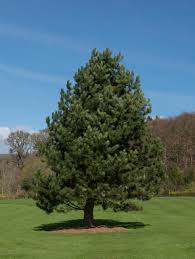


RedCrocus Pinus nigra 'Plerrick Bregeon' Austrian Pine – Evergreen Privacy, Windbreak, Salt & Pollution Tolerant, Wildlife Friendly Live Tree 5 Gallon Nursery Pot
RedCrocus Pinus nigra 'Plerrick Bregeon' Austrian Pine – Evergreen Privacy, Windbreak, Salt & Pollution Tolerant, Wildlife Friendly Live Tree 5 Gallon Nursery Pot
Regular price
$340.00 USD
Regular price
$442.00 USD
Sale price
$340.00 USD
Unit price
per
Shipping calculated at checkout.
SKU:ber9b99-redcrocus
Couldn't load pickup availability
Pinus Nigra Plerrick Bregeon
A robust, dark green Austrian pine selection for structure, shelter, and year‑round form
 Full Sun
 USDA 4–7
 Moderate–Fast
 Evergreen
Description
Pinus Nigra Plerrick Bregeon is an Austrian pine type prized for its dense, dark green needles and durable constitution. Forming a strong, upright leader with a broad, pyramidal outline that becomes more rounded with age, it brings architectural structure to landscapes in all seasons. The stiff, lustrous needles are borne in pairs and hold their color through winter, providing a reliable backdrop for mixed borders and an effective screen against wind and views. Like other Pinus nigra selections, it tolerates urban conditions, alkaline soils, and periods of drought once established, making it a dependable choice for parks, campuses, and larger residential sites.
Suggested Uses
- Windbreak or shelterbelt for farms, campuses, and large properties
- Evergreen privacy screen or year‑round backdrop for mixed borders
- Specimen tree highlighting strong form and dark green foliage
- Stabilizing slopes and anchoring expansive planting beds
- Urban and roadside plantings where tolerance to pollution and salt spray is needed
- Wildlife cover and nesting habitat; cones provide seasonal interest
Plant Details

Botanical Name
Pinus Nigra Plerrick Bregeon

Common Name
Pinus Nigra Plerrick Bregeon (Austrian Pine group)

Size & Growth
Medium–large evergreen; typically 30–60 ft tall and 20–35 ft wide at maturity; strong central leader; conical becoming broad‑oval with age.
Hardiness Zones
USDA 4–7 (cold hardy; best performance in regions with good air circulation).
Foliage Type
Evergreen conifer; stiff, glossy dark green needles 3–6 in long in pairs; dense texture year‑round.

Bloom Time
Inconspicuous pollen (male) cones in spring; female cones develop and ripen over 2 seasons; grown for foliage and form, not flowers.
Growth Rate
Moderate to fast when young (12–24 in per year), slowing with age.
Light Requirements
Full sun (6+ hours/day) for strongest form and disease resistance; avoid deep shade.

Attracts Pollinators
Wind‑pollinated; not a nectar plant. Provides cover and nesting for birds; seeds may feed wildlife.

Indoor Friendly
No — for outdoor landscapes only.

Container Friendly
Only when young for short‑term display; requires large root space long term. Choose dwarf forms for permanent containers.

Deer Resistant
Generally deer‑resistant; not preferred browse.

Pet Warning
Non‑toxic to cats and dogs; ingestion of needles/cones can cause mild GI upset. Resin may irritate skin — discourage chewing.

Fragrant
Subtle, resinous pine scent, most noticeable in heat or when needles are crushed.

Cut Flower
Not a cut‑flower plant; boughs excellent for winter greens and arrangements.

Grows Well With
Juniperus, Picea, Berberis, Cotoneaster, Lavandula, Arctostaphylos, Calamagrostis, Panicum, Nepeta, Perovskia — all sun‑loving, well‑drained companions.
Care Tips

Planting Instructions
Plant in spring or early fall. Dig a hole 2–3× the width of the root ball and no deeper; set the root flare at or slightly above grade. Loosen/correct circling roots, backfill with native soil, water to settle, and mulch 2–3 in deep, keeping mulch off the trunk.

Soil Moisture
Maintain even moisture the first 1–2 growing seasons. Once established, water deeply but infrequently; drought tolerant thereafter.

Soil Type
Well‑drained loam or sandy soils are ideal; tolerates alkaline and poor soils. Avoid persistently wet or compacted sites.

Humidity
Tolerates dry air; ensure good spacing and air flow in humid regions to reduce risk of tip blight. Minimize overhead irrigation.

Pruning Instructions
Little needed. For density/size control, pinch back new “candles” by 1/3–1/2 in late spring. Do structural pruning in late winter; remove dead or diseased wood promptly.

Winter Care
Hardy in zones 4–7. Water deeply before ground freeze and maintain 2–3 in mulch. On exposed sites, temporary wind protection can reduce winter burn during first seasons.

Planting Depth
Keep the trunk flare visible at the soil surface. Set the top of the root ball level with, or slightly above, surrounding grade.

Fertilization
Not usually required in average soils. If needed, apply a slow‑release, balanced conifer fertilizer at label rates in early spring. Avoid high‑nitrogen feeds after midsummer.

Special Care
Allow room for mature size; ensure full sun and drainage. Monitor for Diplodia tip blight and pine sawflies; remove infected candles/cones if disease appears. Stake only on windy sites and remove stakes after one growing season.