

RedCrocus Crassula ovata 'Hobbit' – Live Jade Plant Succulent, Tubular Leaf Bonsai-Style, Easy Care Houseplant for Bright Light, Indoor/Patio, Drought Tolerant 4" Pot
RedCrocus Crassula ovata 'Hobbit' – Live Jade Plant Succulent, Tubular Leaf Bonsai-Style, Easy Care Houseplant for Bright Light, Indoor/Patio, Drought Tolerant 4" Pot
SKU:ber9a9a-redcrocus
Couldn't load pickup availability
Succulent – Crassula Ovata ‘Hobbit’ Jade
A sculptural, easy-care jade plant with tubular, red-tipped leaves and a bonsai-like form.
Description
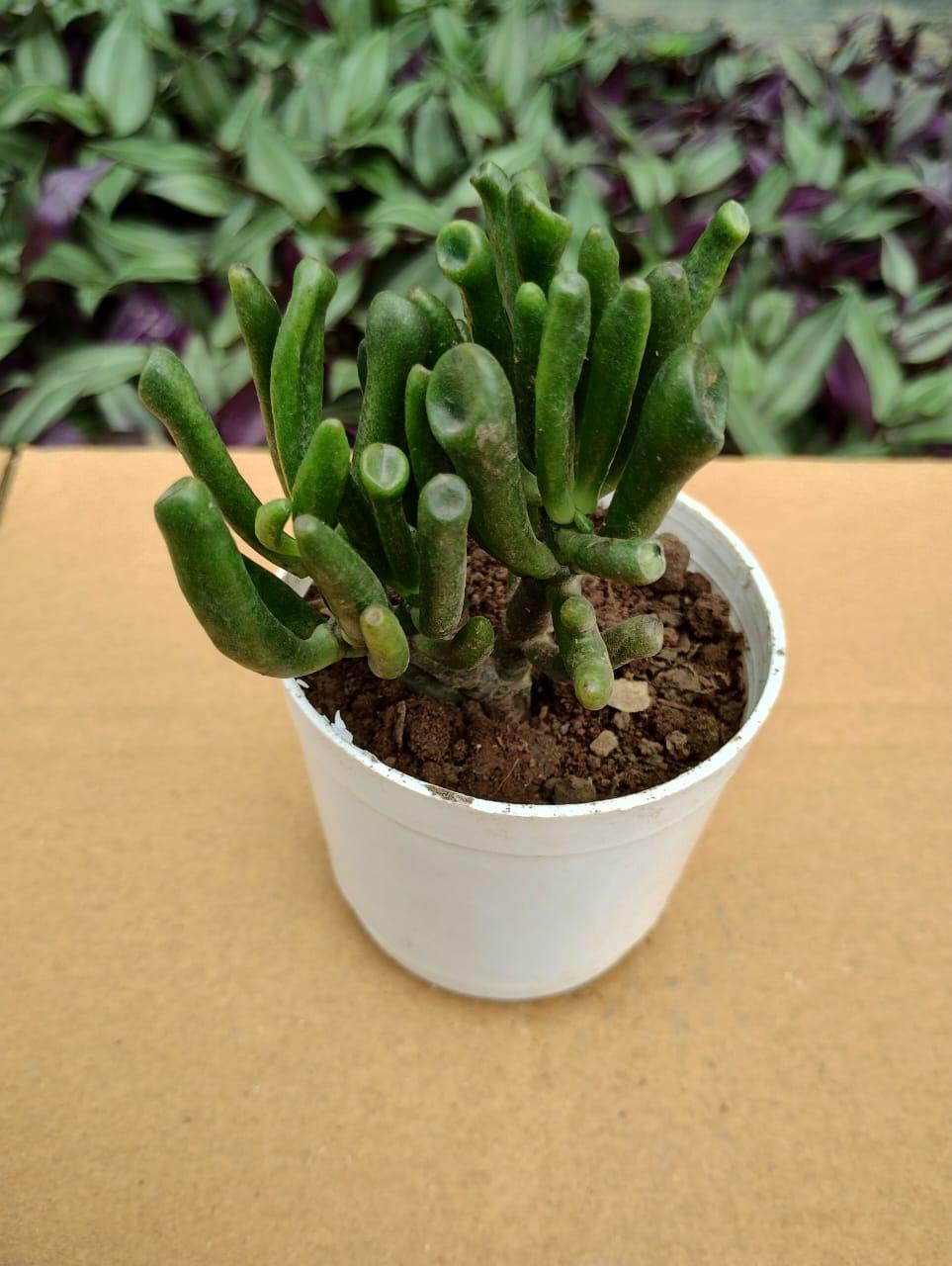
Crassula ovata ‘Hobbit’—commonly called Hobbit Jade—is a distinctive jade plant selection prized for its thick, tubular leaves that curl inward and often blush red along the rims in bright light. Over time it forms a sturdy, branching shrub with a naturally architectural, bonsai-like silhouette. Mature plants can produce clusters of starry white to pink blossoms in winter when nights are cool and days are bright. Exceptionally drought tolerant and long-lived, Hobbit Jade is a forgiving houseplant that thrives in sunny windows and stylish containers.
Suggested Uses
Versatile and modern—great for homes, offices, and warm-climate landscapes.
Plant Details
-
 Botanical NameSucculent- Crassula Ovata Hobbit Jade
-
 Common NameSucculent- Crassula Ovata (Hobbit Jade, Hobbit Jade Plant)
-
 Size & GrowthCompact, branching succulent shrub; typically 18–36 in. tall and wide in containers (up to 3–5 ft in-ground in frost-free regions) over many years.
-
 Hardiness ZonesUSDA 10–11 (can be grown in 9b with excellent protection and dryness); avoid frost—protect below ~40°F (4°C).
-
 Foliage TypeEvergreen succulent; thick, tubular leaves with cupped tips and red margins in strong light.
-
 Bloom TimeWinter to early spring on mature plants given cool nights and bright days; small starry white to pale pink clusters.
-
 Growth RateSlow to moderate; 3–6 in. of new growth per year in ideal conditions.
-
 Light RequirementsBright light to full sun; 4–6+ hours daily. Indoors, a south or west window is ideal; acclimate to avoid leaf scorch.
-
 Attracts PollinatorsYes—winter blossoms draw small bees and other beneficial insects in mild climates.
-
 Indoor FriendlyExcellent houseplant; tolerates average indoor humidity and prefers bright windows.
-
 Container FriendlyIdeal for containers; performs best slightly root-bound. Terracotta pots enhance drainage.
-
 Deer ResistantGenerally deer- and rabbit-resistant due to succulent foliage.
-
 Pet WarningToxic to cats and dogs if ingested (vomiting, lethargy). Keep out of reach; consult a vet if chewed.
-
 FragrantBlooms may be faintly sweet; overall plant not strongly fragrant.
-
 Cut FlowerNot a traditional cut flower; small bloom sprays can accent miniature arrangements.
-
 Grows Well WithGrows Well With Echeveria, Haworthia, Aloe, Sedum, Senecio, Graptopetalum, and small cacti—plants with similar light and watering needs.
Note: Characteristics may vary slightly by environment and plant maturity.
Care Tips
-
 Planting InstructionsUse a pot with drainage. Fill with cactus/succulent mix and extra grit; set the plant at original depth, backfill gently, and top-dress with decorative gravel. Acclimate gradually to higher light.
-
 Soil MoistureWater deeply, then allow soil to dry. In spring–summer, water when the top 1–2 in. are dry; in winter, water sparingly (every 3–4 weeks, adjusting to light and temperature).
-
 Soil TypeFast-draining, gritty mix: cactus soil amended with 30–60% perlite/pumice and coarse sand or 3–6 mm grit; pH ~6.0–7.5.
-
 HumidityPrefers low to average humidity (30–50%). Provide airflow; avoid persistently humid, stagnant spaces.
-
 Pruning InstructionsPrune in spring to shape and encourage branching. Pinch soft tips, remove leggy or crossing stems, and clean spent blooms. Use sterile tools; stem cuttings root readily after callusing.
-
 Winter CareProtect from frost; bring indoors before temps drop below 40°F (4°C). Provide brightest possible light and reduce watering to prevent rot.
-
 Planting DepthPlant at the same depth as in the nursery pot with the stem collar above the soil line. For cuttings, allow 3–7 days to callus, then insert 0.5–1 in. into dry medium.
-
 FertilizationLight feeder. Apply a balanced, low-nitrogen cactus fertilizer at half strength 2–3 times from spring to midsummer. Do not fertilize in winter or when soil is dry.
-
 Special CareRotate monthly for even growth; use heavy pots for top-heavy plants; avoid water sitting in saucers. Inspect for mealybugs/scale; spot-treat with isopropyl alcohol or neem. Repot every 2–3 years in spring.