

RedCrocus Weeping Blue Atlas Cedar Live Plant – Cedrus atlantica 'Glauca Pendula' Evergreen Landscape Tree 1 Gallon Nursery Pot
RedCrocus Weeping Blue Atlas Cedar Live Plant – Cedrus atlantica 'Glauca Pendula' Evergreen Landscape Tree 1 Gallon Nursery Pot
Regular price
$140.00 USD
Regular price
$182.00 USD
Sale price
$140.00 USD
Unit price
per
Shipping calculated at checkout.
SKU:ber97d6-redcrocus
Couldn't load pickup availability
Cedrus Atlantica Glauca Pendula Weeping Atlas Cedar
Architectural, Evergreen Conifer
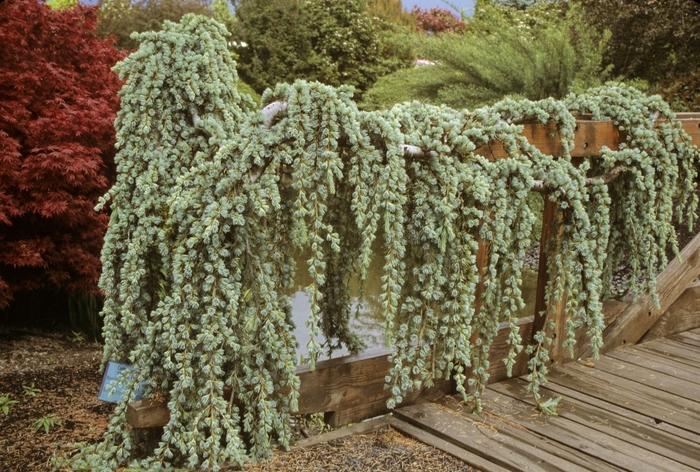
Also known as Cedrus atlantica ‘Glauca Pendula’ — a sculptural, blue-needled, weeping cedar prized for its cascading habit.
Description
Weeping Atlas Cedar is a dramatic, living sculpture with steely blue, glaucous needles held on pliable, cascading branches. Trained along a stake or support, its leader can be directed and arched to create serpentine forms; without training it forms a low, spreading mound that flows over walls and banks. Needles are evergreen, borne in dense clusters along short spurs, giving rich texture year‑round. Inconspicuous cones may appear on mature plants. Once established, this cedar is notably drought tolerant and thrives in full sun with well‑drained soil.
USDA 6–9
Full Sun
Evergreen
Architectural Form
Drought Tolerant (established)
Plant Details

Botanical Name
Cedrus Atlantica Glauca Pendula Weeping Atlas Cedar (commonly cataloged as Cedrus atlantica ‘Glauca Pendula’)

Common Name
Cedrus Atlantica Glauca Pendula; Weeping Blue Atlas Cedar

Size & Growth
Training determines form: typically 6–10 ft tall and 8–15+ ft wide in 10–15 years; can be trained taller (10–20+ ft) with staked leader; untrained forms spread low and wide.

Hardiness Zones
USDA Zones 6–9; protect from prolonged waterlogged soils and severe winter wind exposure in colder zones.

Foliage Type
Evergreen conifer; short, stiff, glaucous blue needles in dense clusters on short spurs; needles typically 0.5–1 in (1–2.5 cm).

Bloom Time
Not grown for flowers; wind‑borne pollen cones in fall; seed cones form on mature trees and require 2–3 years to mature.

Growth Rate
Slow to moderate: about 6–12 in (15–30 cm) per year once established, depending on training and site conditions.

Light Requirements
Full sun (6–8+ hours) for best blue color and dense habit; tolerates light afternoon shade in hot summer regions.

Attracts Pollinators
No — wind‑pollinated conifer; not a nectar or pollen source for bees or butterflies.

Indoor Friendly
Not suitable as a long‑term houseplant; best grown outdoors year‑round within its hardiness range.

Container Friendly
Yes, when young in large, well‑drained containers (20–30 in wide); plan to transplant to the ground for long‑term development.

Deer Resistant
Generally deer resistant; aromatic needles are usually avoided, though tender new growth may be sampled in scarce browse conditions.

Pet Warning
Considered non‑toxic to dogs and cats; ingestion of needles/wood can cause mild gastrointestinal upset — discourage chewing and ingestion.

Fragrant
Lightly aromatic resinous scent from foliage and wood, noticeable when crushed or on warm days.

Cut Flower
Not used as a cut flower; sculptural branches can be clipped sparingly for winter greens and arrangements.

Grows Well With
Dwarf conifers (Pinus mugo, Juniperus), heathers (Calluna, Erica), lavender, santolina, rosemary, perovskia, euphorbia, sedums, and fine‑textured ornamental grasses in well‑drained sites.
Care Tips

Planting Instructions
Plant with the root flare at or slightly above grade; dig a hole 2–3× wider than the root ball and the same depth. Loosen circling roots, backfill with native soil, and water deeply. Stake and gently tie the leader to a sturdy support if training a serpentine or upright form.

Soil Moisture
Keep evenly moist the first growing season; allow the top 1–2 in of soil to dry between waterings. Once established, water deeply but infrequently — avoid chronic wet feet.

Soil Type
Prefers well‑drained loam or sandy soils; tolerates slightly acidic to neutral pH (approx. 6.0–7.5). Incorporate grit on heavy soils to improve drainage.

Humidity
Handles low to average ambient humidity; ensure good air flow in hot, humid climates to minimize foliar issues.

Pruning Instructions
Minimal pruning required. Train and tie new leaders in late winter or early spring; remove dead, damaged, or crossing wood then. Avoid shearing; do not cut back hard into old wood with no foliage.

Winter Care
In Zones 6–7, apply a 2–3 in mulch to insulate roots and water during dry spells before the ground freezes. Shelter newly planted trees from strong prevailing winds. Avoid de‑icing salt spray exposure.

Planting Depth
Set the top of the root ball 0.5–1 in above surrounding soil; ensure the trunk flare is visible — do not bury the crown.

Fertilization
Light feeder. Mix compost into the planting area; apply a slow‑release, balanced conifer fertilizer in early spring only if growth is weak. Avoid high‑nitrogen feeds and late‑season fertilization.

Special Care
For artistic forms, stake and re‑position the flexible leader annually with soft ties; remove or adjust ties as wood sets. Ensure excellent drainage to prevent root rot; monitor for scale or aphids (infrequent) and treat early if detected.