Skip to product information
1 of 8

RedCrocus Hinoki Cypress 'Torulosa' (Chamaecyparis obtusa) Live Evergreen Plant, Contorted Glossy Foliage, Narrow Pyramidal Specimen for Borders, Foundations, or Screening 1 Gallon Nursery Pot

RedCrocus Hinoki Cypress 'Torulosa' (Chamaecyparis obtusa) Live Evergreen Plant, Contorted Glossy Foliage, Narrow Pyramidal Specimen for Borders, Foundations, or Screening 1 Gallon Nursery Pot

Regular price $90.00 USD
Regular price $117.00 USD Sale price $90.00 USD
Sale Sold out
Shipping calculated at checkout.

SKU:ber9680-redcrocus

Pot Size

Chamaecyparis Ob. Torulosa

Elegant Hinoki cypress with sculptural, twisted sprays and a refined, upright habit
Evergreen Conifer USDA Zones 5–8 Full Sun to Part Shade Slow to Moderate Growth

Description

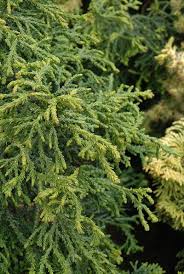
Chamaecyparis Ob. Torulosa is a distinctive Hinoki cypress selection valued for its sculptural, contorted sprays of glossy deep-green foliage and a naturally elegant, narrowly pyramidal form. The layered, shell-like fans create intricate texture year-round, bringing four-season structure to borders and entryways. Its moderate stature makes it a superb choice for foundation plantings, specimen accents, or refined screening in smaller gardens.

This cultivar thrives in well-drained, slightly acidic soils with ample sun and good air circulation. It asks for little pruning beyond an occasional light touch to fine-tune its outline, rewarding minimal care with a poised, architectural presence from spring through winter.

Suggested Uses

  • Specimen or Focal Point
  • Foundation Planting
  • Screening / Privacy Accent
  • Japanese & Zen Gardens
  • Mixed Conifer Border
  • Four-Season Structure
  • Large Containers
  • Rock & Woodland Edges
  • Bonsai (outdoor)

Plant Details

Botanical name icon
Botanical Name
Chamaecyparis Ob. Torulosa
Common name icon
Common Name
Chamaecyparis Ob. Torulosa (Hinoki Cypress)
Size and growth icon
Size & Growth
Typically 10–15 ft tall and 4–6 ft wide in 10–15 years; may reach 18–20+ ft over time; narrowly pyramidal, dense, with gracefully twisted sprays.
Hardiness zones icon
Hardiness Zones
USDA 5–8 (protect from harsh, drying winter winds in colder zones).
Foliage type icon
Foliage Type
Evergreen, scale-like fan sprays; lustrous deep green with a subtly contorted, shell-like texture.
Bloom time icon
Bloom Time
Non-flowering conifer; inconspicuous pollen shed in spring; small cones form after pollination.
Growth rate icon
Growth Rate
Slow to moderate (approximately 4–8 inches per year under good conditions).
Light requirements icon
Light Requirements
Full sun to part shade; best density and color with 6+ hours of sun, with light afternoon shade in hot-summer climates.
Attracts pollinators icon
Attracts Pollinators
Low—wind-pollinated; provides structure and shelter rather than nectar/pollen resources.
Indoor friendly icon
Indoor Friendly
Not recommended for long-term indoor culture; prefers outdoor conditions. Suitable for outdoor bonsai and patio display.
Container friendly icon
Container Friendly
Yes—thrives in large, well-drained containers for many years; ensure consistent moisture and winter protection for roots.
Deer resistant icon
Deer Resistant
Generally deer resistant; not typically preferred browse (protection may be needed where pressure is high).
Pet warning icon
Pet Warning
Generally considered non-toxic; ingestion of foliage may cause mild stomach upset—discourage chewing.
Fragrant icon
Fragrant
Lightly aromatic, resinous scent when foliage is brushed or crushed.
Cut flower icon
Cut Flower
Excellent evergreen filler for arrangements, winter planters, and wreaths; long-lasting cut foliage.
Grows well with icon
Grows Well With
Japanese maples, rhododendrons/azaleas, Pieris, hydrangeas, heucheras, hostas, ferns, dwarf conifers, and ornamental grasses.

Care Tips

Planting instructions icon
Planting Instructions
Plant in spring or early fall. Dig a hole 2–3× as wide as the root ball and the same depth. Tease out circling roots, set the root flare level or slightly above grade, backfill with native soil, water deeply, and mulch 2–3 inches (keep mulch off the trunk).
Soil moisture icon
Soil Moisture
Keep evenly moist the first 1–2 seasons; water when the top 1–2 inches of soil are dry. Avoid soggy conditions; once established, it tolerates brief dry spells but prefers consistent moisture.
Soil type icon
Soil Type
Well-drained, slightly acidic loam or sandy loam (target pH ~5.5–6.8). Amend heavy clay with compost and grit; consider raised beds where drainage is poor.
Humidity icon
Humidity
Average outdoor humidity is ideal. Shelter young plants from persistent, drying winds—especially in winter and early spring.
Pruning instructions icon
Pruning Instructions
Minimal pruning needed. Lightly shape or thin in late winter to early spring. Tip-prune new growth; avoid cutting back into old brown wood, which may not re-sprout. Remove dead or crossing branches any time.
Winter care icon
Winter Care
Mulch the root zone in late fall and water deeply before the ground freezes. In exposed sites, use a burlap wind screen for the first couple of winters; gently brush off heavy snow to prevent splaying.
Planting depth icon
Planting Depth
Position the top of the root ball level with the surrounding soil (or 1–2 inches above in poorly drained sites). Do not bury the trunk flare.
Fertilization icon
Fertilization
Feed lightly in early spring with a slow‑release, balanced or acid-forming fertilizer formulated for evergreens. Avoid high-nitrogen applications in late summer or fall.
Special care icon
Special Care
Prioritize drainage and airflow; avoid reflected heat from south/west walls. Monitor for bagworms, spider mites, and cypress aphids—treat early if detected. For containers, insulate pots in winter and repot every 2–3 years.
Horticultural guidance is based on typical performance of Hinoki cypress cultivars; local conditions may vary. Always adapt watering and exposure to your site.
View full details