

RedCrocus Muehlenbeckia Wire Vine (Maidenhair Vine) Live Plant – Trailing Evergreen Houseplant for Hanging Baskets, Window Boxes & Indoor Topiary 6.5" Pot
RedCrocus Muehlenbeckia Wire Vine (Maidenhair Vine) Live Plant – Trailing Evergreen Houseplant for Hanging Baskets, Window Boxes & Indoor Topiary 6.5" Pot
Regular price
$54.00 USD
Regular price
$70.20 USD
Sale price
$54.00 USD
Unit price
per
Shipping calculated at checkout.
SKU:ber9529-redcrocus
Couldn't load pickup availability
Muehlenbeckia Wire Vine
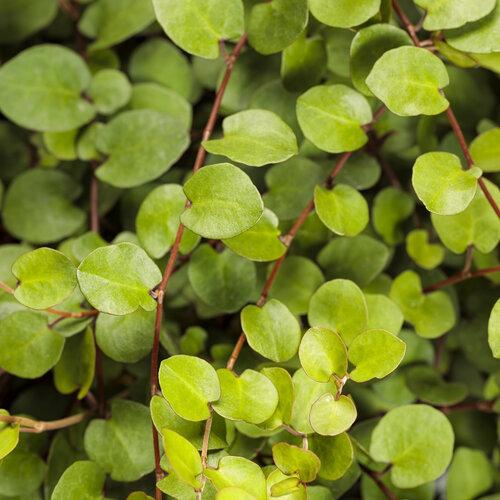
Delicate, wiry stems with tiny round leaves — a graceful trailer, climber, or groundcover indoors and out.
Bright Indirect–Full Sun
USDA 8–10 (7b with protection)
Fast Growing
Container & Indoor Friendly
Fine-textured foliage for soft edging, spilling containers, and airy trellises
Description
Muehlenbeckia Wire Vine is a finely textured, twining or trailing plant known for its threadlike, dark wiry stems and small, round to oval leaves that create an airy, lacy look. Often sold for hanging baskets, tabletop planters, and soft edging, it can also be trained up a small trellis or allowed to weave as a groundcover in mild climates. The tiny greenish flowers are inconspicuous but may be followed by translucent, papery seed coverings that add subtle interest. It grows quickly in warm weather, tolerates pruning well, and brings movement and softness to modern and naturalistic plantings alike.
Suggested Uses
- Trailing accent in hanging baskets, window boxes, and modern tabletop containers.
- Soft edging or filler around pathway stones and at the front of borders in mild climates.
- Textural underplanting beneath small shrubs, grasses, or specimen houseplants.
- Indoor topiary or trellis training for airy vertical interest in bright rooms.
- Mix-and-match with contrasting foliage (bold-leaved, silver, or variegated plants) for depth.
Plant Details
-
 Botanical NameMuehlenbeckia Wire Vine (typically Muehlenbeckia complexa, aka Maidenhair Vine)
-
 Common NameMuehlenbeckia, Wire Vine, Maidenhair Vine
-
 Size & GrowthTrailing/climbing to 2–4 m (6–13 ft) outdoors with support; 15–60 cm (6–24 in) trailing in containers; forms low mats 10–20 cm (4–8 in) tall as a groundcover.
-
 Hardiness ZonesUSDA 8–10 (may persist in 7b with protection; grow as an annual or houseplant in colder regions).
-
 Foliage TypeEvergreen to semi-evergreen; tiny round/ovate leaves on wiry, dark stems; may bronze slightly in cool weather.
-
 Bloom TimeLate spring to summer; small greenish-white flowers are typically inconspicuous; ornamental seed bracts may follow.
-
 Growth RateModerate to fast in warm, bright conditions; slows in low light or cool temperatures.
-
 Light RequirementsOutdoors: full sun to part shade. Indoors: bright indirect light; tolerates some gentle morning sun.
-
 Attracts PollinatorsLimited; small blooms may attract tiny bees/flies, but overall pollinator value is low.
-
 Indoor FriendlyYes — excellent trailing houseplant in bright rooms; trim to shape as needed.
-
 Container FriendlyIdeal for pots, bowls, and hanging baskets; pairs well with upright “thrillers.”
-
 Deer ResistantGenerally moderately deer resistant; may be browsed if food is scarce.
-
 Pet WarningNot commonly listed as toxic to cats/dogs; ingestion of any plant may cause mild stomach upset. Supervise pets and avoid chewing.
-
 FragrantNo notable fragrance; flowers are mainly decorative at close range.
-
 Cut FlowerNot a traditional cut flower; wiry stems can add airy texture to arrangements and wreaths.
-
 Grows Well WithGrows Well With Heuchera, Carex, Sedum, small conifers, ferns, Hosta (in part shade), ivy, and upright succulents or grasses for contrast.
Note: In frost-free climates, wire vine can spread vigorously; manage with edging or periodic trimming and check local guidance.
Care Tips
-
 Planting InstructionsPlant in spring after frost. Space 30–60 cm (12–24 in) apart for quick coverage. For containers, choose a pot with drainage and consider a small trellis if vertical training is desired.
-
 Soil MoistureKeep evenly moist but not waterlogged. Allow the top 1–2 cm (½–¾ in) of potting mix to dry between waterings indoors; water more deeply outdoors during hot spells.
-
 Soil TypeWell-drained, moderately fertile soil. Indoors, use a high-quality potting mix amended with perlite or fine bark for aeration.
-
 HumidityAverage home humidity is fine (40–60%). Avoid very dry air near heating vents; occasional misting is helpful but not essential.
-
 Pruning InstructionsPinch tips regularly to encourage density and prevent tangling. Hard trim in late winter or early spring to rejuvenate; it resprouts readily from woody stems.
-
 Winter CareIn zones 8–10, mulch lightly and protect from severe cold snaps. In colder regions, overwinter indoors in bright light; reduce watering and avoid cold drafts.
-
 Planting DepthSet at the same depth as in the nursery pot, keeping the crown level with the soil surface. Do not bury stems.
-
 FertilizationFeed lightly in spring and summer with a balanced, diluted liquid fertilizer every 4–6 weeks or use a slow-release formulation; withhold in fall/winter.
-
 Special CareProvide support if training to climb. Rotate indoor containers for even growth. Watch for spider mites in dry, warm air. In mild climates, monitor spread and trim edges to contain.
Botanical and cultural notes are general to the type and may vary slightly by cultivar or growing conditions.