

RedCrocus Sedum Morganianum Burro's Tail- Trailing Succulent for Indoor & Outdoor Decor, Container Gardens, Hanging Baskets, Low-Maintenance Plants 1 Quart Pot (Pack of 2)
RedCrocus Sedum Morganianum Burro's Tail- Trailing Succulent for Indoor & Outdoor Decor, Container Gardens, Hanging Baskets, Low-Maintenance Plants 1 Quart Pot (Pack of 2)
Regular price
$68.00 USD
Regular price
$88.40 USD
Sale price
$68.00 USD
Unit price
per
Shipping calculated at checkout.
SKU:ber94f2-redcrocus
Couldn't load pickup availability
Succulent - Sedum Morganianum Burros Tail
Description
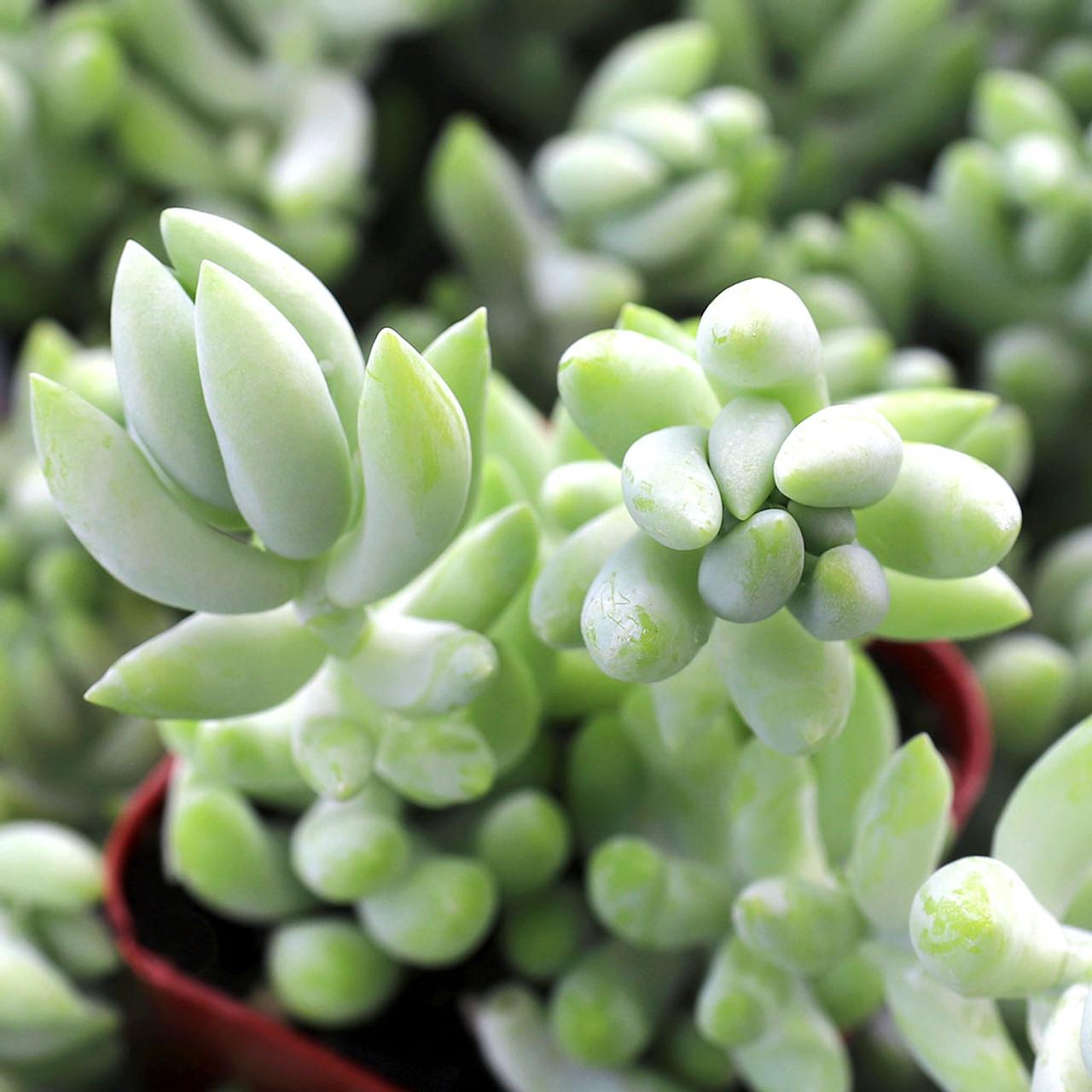
This succulent features cascading stems covered with plump, bluish-green leaves, creating a striking and easy-to-maintain addition to any garden or indoor space.
Suggested Uses
Ideal for hanging baskets, container gardens, rock gardens, and as a trailing plant indoors. Perfect for low-maintenance landscaping and decorative arrangements.
Plant Details
-
 Botanical Name: Sedum morganianum
 -
 Common Name: Burro's Tail
 -
 Size & Growth: Typically 12-24 inches tall, with trailing stems up to 3 feet long
 -
 Hardiness Zones: 9-11
 -
 Foliage Type: Succulent, trailing stems with fleshy leaves
 -
 Bloom Time: Summer to early fall
 -
 Growth Rate: Slow
 -
 Light Requirements: Bright, direct sunlight
 -
 Attracts Pollinators: Yes
 -
 Indoor Friendly: Yes
 -
 Container Friendly: Yes
 -
 Deer Resistant: Yes
 -
 Pet Warning: Toxic to cats and dogs if ingested
 -
 Fragrant: No
 -
 Cut Flower: No
 -
 Grows Well With: Aloe, Echeveria, and other drought-tolerant plants
Care Tips
-
 Planting Instructions: Use well-draining cactus or succulent soil; water thoroughly when soil is dry
 -
 Soil Moisture: Dry between watering
 -
 Soil Type: Sandy or loamy, fast-draining
 -
 Humidity: Low
 -
 Pruning Instructions: Remove dead or damaged stems; prune to maintain shape
 -
 Winter Care: Protect from frost; bring indoors in colder zones
 -
 Planting Depth: Plant at same depth as in nursery pot
 -
 Fertilization: Feed sparingly with cactus fertilizer during growing season
 -
 Special Care: Avoid overwatering; ensure excellent drainage to prevent root rot