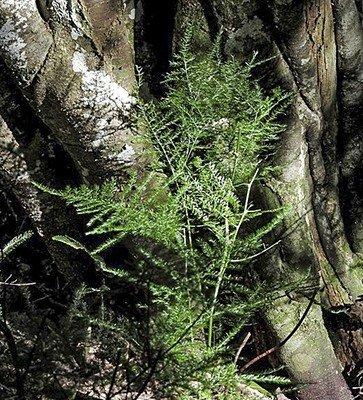


RedCrocus Climbing Asparagus Fern- Indoor & Outdoor Greenery, Shade-Loving, Vine Plant for Garden & Vertical Spaces 6"
RedCrocus Climbing Asparagus Fern- Indoor & Outdoor Greenery, Shade-Loving, Vine Plant for Garden & Vertical Spaces 6"
Regular price
$74.00 USD
Regular price
$96.20 USD
Sale price
$74.00 USD
Unit price
per
Shipping calculated at checkout.
SKU:ber948c-redcrocus
Couldn't load pickup availability
Fern- Asparagus Plumosis Climbing Asparagus Fern
Description
A lush, evergreen climbing fern with delicate fronds that add a touch of natural elegance to gardens and indoor spaces. Known for its vigorous growth and attractive foliage, it thrives in shaded and partially sunny locations.
Suggested Uses
Ideal for trellises, hanging baskets, shaded garden beds, and indoor vertical gardens. Perfect for creating a lush green backdrop or ground cover in shaded areas.
Plant Details
-
 Botanical Name: Asparagus Plumosis
 -
 Common Name: Climbing Asparagus Fern
 -
 Size & Growth: Up to 6-8 ft in height, vigorous climber
 -
 Hardiness Zones: 9-11, can be grown as an annual in cooler zones
 -
 Foliage Type: Evergreen, fern-like fronds
 -
 Growth Rate: Fast-growing
 -
 Light Requirements: Partial to full shade
 -
 Attracts Pollinators: Yes
 -
 Indoor Friendly: Yes
 -
 Container Friendly: Yes
 -
 Deer Resistant: Yes
 -
 Pet Warning: Mildly toxic if ingested
 -
 Fragrant: No
 -
 Cut Flower: No
 -
 Grows Well With: Ferns, Hostas, Shade-loving plants
 Bloom Time: Summer
Care Tips
-
 Planting Instructions: Plant in well-draining soil in shaded or partially shaded areas. Provide support such as trellises for climbing.
 -
 Soil Moisture: Keep consistently moist but not waterlogged.
 -
 Soil Type: Rich, loamy, well-draining soil
 -
 Humidity: Prefers average to high humidity levels
 -
 Pruning Instructions: Remove dead or damaged fronds to encourage healthy growth
 -
 Winter Care: Protect from frost; bring indoors in colder zones
 -
 Planting Depth: Roots should be planted at the same depth as in container
 -
 Fertilization: Feed with balanced liquid fertilizer monthly during growing season
 -
 Special Care: Keep in shaded areas and avoid overwatering to prevent root rot