

RedCrocus Touch of Gold Japanese Holly (Ilex crenata) Live Evergreen Shrub – Golden Foliage, Compact Mounding, Full Sun to Part Shade, USDA Zones 5–8 1 Quart Pot
RedCrocus Touch of Gold Japanese Holly (Ilex crenata) Live Evergreen Shrub – Golden Foliage, Compact Mounding, Full Sun to Part Shade, USDA Zones 5–8 1 Quart Pot
SKU:ber9371-redcrocus
Couldn't load pickup availability
Ilex Crenata 'touch of Gold'
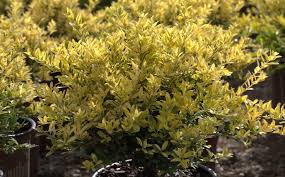
A luminous, compact Japanese holly with bright golden new growth that matures to soft chartreuse, offering year‑round color and refined texture as a low hedge, edging, or container specimen.
Description
Ilex crenata 'touch of Gold' is a compact, mounding Japanese holly prized for its vibrant golden flush of new foliage that mellows to chartreuse through the season. With fine, boxwood‑like leaves and a naturally tidy habit, it serves as a resilient alternative to boxwood for borders, foundation plantings, and formal accents. Small, inconspicuous spring flowers are followed (on female plants) by tiny black drupes, though fruiting is generally insignificant. This cultivar maintains color best with ample sun and reliably holds its evergreen presence in the landscape.
Suggested Uses
- Define pathways and beds with a crisp, low evergreen line.
- Anchor mixed borders with steady color and fine texture.
- Brighten foundation plantings where seasonal color is limited.
- Use as a boxwood alternative where disease pressure is high.
- Feature in containers on patios, entries, and terraces.
- Mass in drifts for golden contrast against darker evergreens.
Plant Details
-
 Botanical NameIlex Crenata 'touch of Gold'Cultivar of Japanese holly selected for golden foliage.
-
 Common NameIlex Crenata 'touch of Gold'Often sold as Touch of Gold Japanese holly.
-
 Size & Growth2–3 ft tall × 3–4 ft wide; compact, mounding habitTypically 3–6 in of new growth per year under average conditions.
-
 Hardiness ZonesUSDA 5–8Provide winter wind protection in colder end of range.
-
 Foliage TypeBroadleaf evergreenGolden new growth matures to chartreuse; small, boxwood‑like leaves.
-
 Bloom TimeLate spring (insignificant)Tiny white flowers; fruiting is minimal and not ornamental.
-
 Growth RateSlow to moderateBest color and density with steady moisture and sun.
-
 Light RequirementsFull sun to part shade4–6+ hours sun for strongest gold; give afternoon shade in hot summers.
-
 Attracts PollinatorsLowSmall spring blooms may draw tiny bees; not a primary pollinator plant.
-
 Indoor FriendlyNoBest grown outdoors; indoor conditions are unsuitable long‑term.
-
 Container FriendlyYesThrives in large containers with excellent drainage; protect roots in winter.
-
 Deer ResistantGenerally resistantDeer tend to browse alternatives first; protection may be needed when young.
-
 Pet WarningCautionFoliage/berries can cause mild GI upset if ingested; supervise pets.
-
 FragrantNoGrown for foliage color and form rather than scent.
-
 Cut FlowerNot typicalShort stems may be used as evergreen filler in small arrangements.
-
 Grows Well WithGrows Well With Azalea, Rhododendron, Pieris, Heuchera, Dwarf conifers, Camellia (mild zones) Prefers acidic companions and similar water/light needs.
Care Tips
-
 Planting InstructionsPlant in early spring or fall in well‑drained soil enriched with compost.Loosen roots, set spacing 18–24 in apart for low hedges, water deeply, and mulch 2–3 in (keep mulch off stems).
-
 Soil MoistureEvenly moist, never waterloggedProvide ~1 in water/week during establishment; becomes moderately drought tolerant thereafter.
-
 Soil TypeAcidic, well‑drained loam or sandy loam (pH 5.0–6.5)Avoid heavy clay or alkaline soils; use raised beds or amend for drainage if needed.
-
 HumidityAverage outdoor humidity is idealEnsure good air circulation to minimize foliar issues in humid climates.
-
 Pruning InstructionsLightly shear in late winter or just after spring flush.Remove dead/crossing wood anytime. Avoid heavy pruning late summer to reduce winter burn on tender growth.
-
 Winter CareMulch roots and shield from drying winds in cold zones.Water well before ground freezes; container plants should be grouped and sheltered or insulated.
-
 Planting DepthSet crown level; root ball 0.5–1 in above gradeDo not bury the stem; mound slightly in heavy soils to encourage drainage.
-
 FertilizationFeed in early spring with a slow‑release, acid‑forming fertilizerFormulations for hollies/rhododendrons work well; avoid high nitrogen late in the season.
-
 Special CareMonitor pH and chlorosis; ensure sharp drainage.Yellowing leaves often indicate high pH—apply elemental sulfur or chelated iron. Watch for spider mites/scale; avoid soggy soils to prevent root rot.