

RedCrocus Cryptomeria japonica 'Reins Dense' Live Plant – Dwarf Japanese Cedar, Dense Evergreen Conifer, Bronze Winter Color, Zones 5–9; Great for Hedges, Containers & Bonsai 7 Gallon Nursery Pot
RedCrocus Cryptomeria japonica 'Reins Dense' Live Plant – Dwarf Japanese Cedar, Dense Evergreen Conifer, Bronze Winter Color, Zones 5–9; Great for Hedges, Containers & Bonsai 7 Gallon Nursery Pot
Regular price
$900.00 USD
Regular price
$1,170.00 USD
Sale price
$900.00 USD
Unit price
per
Shipping calculated at checkout.
SKU:ber8cde-redcrocus
Couldn't load pickup availability
Cryptomeria Jap. Reins Dense
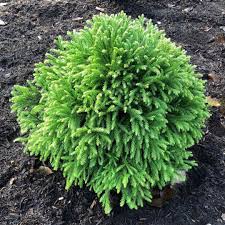
Dwarf, densely-branched Japanese cedar with soft, evergreen needles and a naturally compact form.
Description
Cryptomeria Jap. Reins Dense is a compact selection of Japanese cedar prized for its tight, layered branching and soft, awl-like evergreen foliage. New growth emerges a rich green through the growing season, often taking on attractive bronzy to copper tones in winter. With its naturally dense habit and slow, steady growth, it is a superb choice for small gardens, foundation beds, and containers where year-round structure and texture are desired. Low-maintenance and adaptable, it performs best in evenly moist, well-drained, slightly acidic soils with protection from harsh, drying winter winds.
Suggested Uses
- Small gardens and courtyards
- Foundation and entry plantings
- Rock and conifer gardens
- Low hedges or informal screens
- Specimen or focal evergreen
- Asian/Japanese-inspired designs
- Large patio containers
- Bonsai and training projects
- Mixed borders for winter interest
At a Glance
- Form: Naturally dense, compact, and symmetrical
- Color: Rich green foliage, bronzing in winter
- Maintenance: Minimal; occasional shaping only
- Best Site: Full sun to light shade in well-drained, acidic soil
- Color: Rich green foliage, bronzing in winter
- Maintenance: Minimal; occasional shaping only
- Best Site: Full sun to light shade in well-drained, acidic soil
Plant Details
Typical characteristics for this plant type and cultivar; growth may vary by climate and culture.
-
 Botanical NameCryptomeria Jap. Reins Dense
-
 Common NameCryptomeria Jap. Reins Dense
-
 Size & GrowthDwarf, dense habit; approx. 4–6 ft tall × 3–5 ft wide in 10 years; may reach 8–10+ ft over time in ideal conditions.
-
 Hardiness ZonesUSDA Zones 5–9 (best performance typically 6–9 with wind protection in colder areas).
-
 Foliage TypeEvergreen conifer; soft, awl-like juvenile needles; summer deep green, bronzy to coppery tones in winter.
-
 Bloom TimeInconspicuous; pollen cones late winter to spring (grown for foliage and form, not flowers).
-
 Growth RateSlow to moderate; typically 3–6 in (7–15 cm) per year with good care.
-
 Light RequirementsFull sun to light shade; 6+ hours sun yields densest habit; provide afternoon shade in hot-summer regions.
-
 Attracts PollinatorsNot applicable—wind-pollinated; does provide shelter and nesting structure for birds.
-
 Indoor FriendlyNo—best grown outdoors; requires full light, seasonal temperature swings, and moving air.
-
 Container FriendlyYes when young; use a large container with excellent drainage; suitable for patio display or bonsai training.
-
 Deer ResistantGenerally deer resistant and seldom severely browsed, though no plant is deer-proof.
-
 Pet WarningNon-toxic to cats and dogs; ingestion of needles may cause mild stomach upset—discourage chewing.
-
 FragrantFoliage/wood mildly resinous and aromatic when crushed; not strongly fragrant in the garden.
-
 Cut FlowerNot a cut flower; evergreen sprigs useful in seasonal arrangements and wreaths.
-
 Grows Well WithGrows Well With Azalea, Camellia, Pieris, heaths/heathers, Chamaecyparis, dwarf pines, Hakonechloa, Heuchera, Hosta.
Care Tips
Follow these guidelines for healthy establishment and long-term performance.
-
 Planting InstructionsPlant in spring or early fall. Loosen circling roots, set in a hole 2–3× the width of the root ball and equal depth. Backfill with native soil amended with compost if needed; water thoroughly and mulch.
-
 Soil MoistureKeep evenly moist but never waterlogged. Do not allow to fully dry during the first 1–2 growing seasons; once established, tolerates brief dry spells.
-
 Soil TypeWell-drained, slightly acidic soil (pH ~5.5–6.5); loam to sandy loam preferred. Avoid heavy, waterlogged clays and high-alkaline sites.
-
 HumidityPrefers moderate ambient humidity. Protect from drying winter winds; avoid exposed, wind-tunnel locations or salt spray.
-
 Pruning InstructionsMinimal pruning required. Lightly thin or shape in late winter or after new growth hardens. Avoid heavy shearing; do not cut back into leafless, old wood.
-
 Winter CareApply 2–3 in of mulch over the root zone; water deeply before ground freezes. In cold or windy sites, provide a burlap windbreak the first few winters to reduce desiccation.
-
 Planting DepthSet the top of the root ball level with or slightly above surrounding soil. Keep the trunk flare visible; do not bury the crown.
-
 FertilizationFeed lightly in early spring with a slow-release, acid-forming fertilizer for evergreens. Avoid high-nitrogen or late-summer applications.
-
 Special CareMonitor for spider mites in hot, dry weather and for bagworms where present. Ensure good drainage and air flow; gently shake off heavy snow to prevent branch splaying. Rotate container specimens seasonally for even growth.