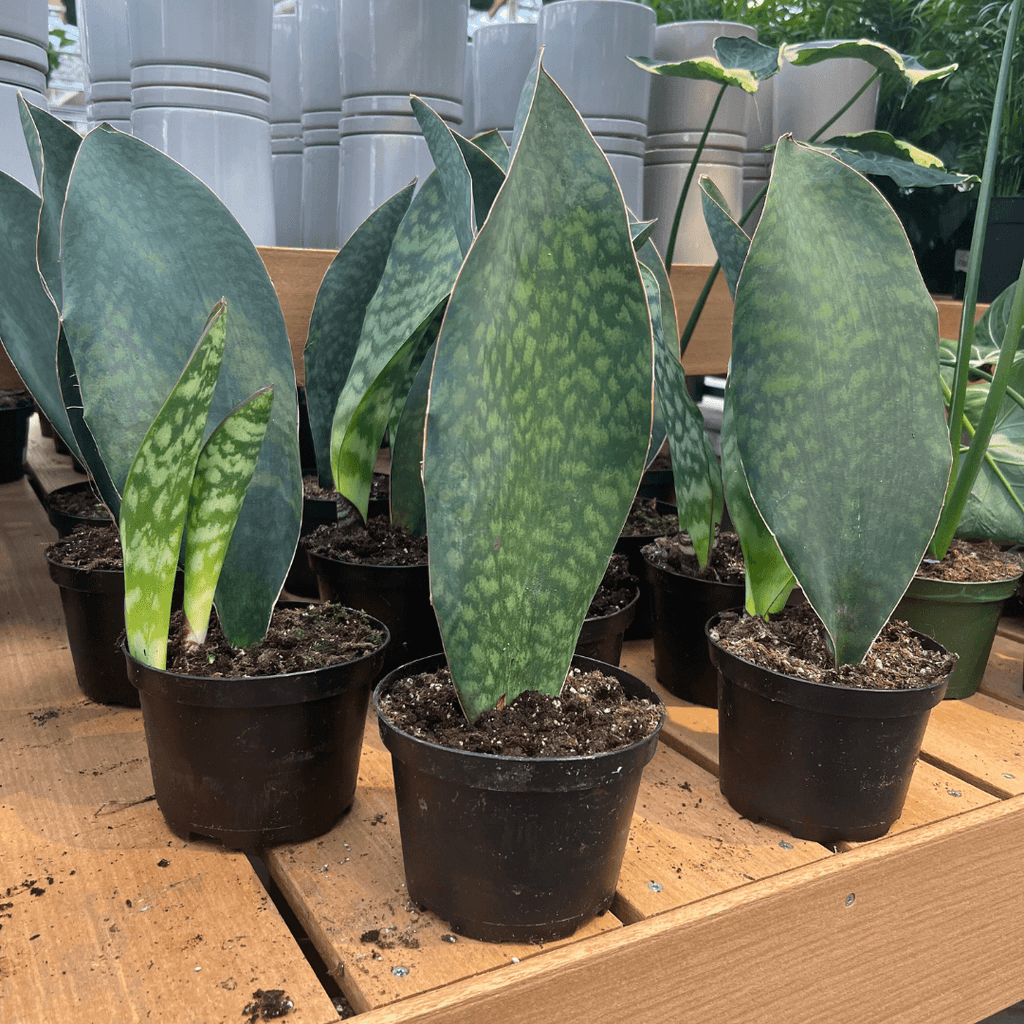


RedCrocus Sanseveria Whales Fin- Green Indoor Plant, Low Maintenance, Unique Sword-Like Foliage, Pet Warning, Ideal for Office & Modern Decor 10" Pot
RedCrocus Sanseveria Whales Fin- Green Indoor Plant, Low Maintenance, Unique Sword-Like Foliage, Pet Warning, Ideal for Office & Modern Decor 10" Pot
Regular price
$340.00 USD
Regular price
$442.00 USD
Sale price
$340.00 USD
Unit price
per
Shipping calculated at checkout.
SKU:ber8bcc-redcrocus
Couldn't load pickup availability
Sanseveria Whales Fin - Green
Description
This striking variegated succulent features elongated, sword-like leaves with unique wave-like fins, adding a modern touch to any indoor or outdoor space. Its durable, low-maintenance nature makes it ideal for beginners.
Suggested Uses
Perfect for indoor decor, office spaces, and low-maintenance gardens. It thrives as a container plant and enhances modern landscape designs with its architectural form.
Plant Details
-
 Botanical Name: Sanseveria Whales Fin - Green
 -
 Common Name: Sanseveria
 -
 Size & Growth: Up to 3 feet tall, slow-growing
 -
 Hardiness Zones: 9-11
 -
 Foliage Type: Evergreen, Foliage
 -
 Bloom Time: Rare indoors; summer outdoors
 -
 Growth Rate: Slow
 -
 Light Requirements: Bright, indirect light
 -
 Attracts Pollinators: No
 -
 Indoor Friendly: Yes
 -
 Container Friendly: Yes
 -
 Deer Resistant: Yes
 -
 Pet Warning: Toxic to cats and dogs if ingested
 -
 Fragrant: No
 -
 Cut Flower: No
 -
 Grows Well With: Dracaena, pothos, and succulents
Care Tips
-
 Planting Instructions: Use well-draining soil; plant in a pot with drainage holes
 -
 Soil Moisture: Water thoroughly but allow soil to dry between watering
 -
 Soil Type: Sandy or cactus mix
 -
 Humidity: Average indoor humidity
 -
 Pruning Instructions: Remove dead or damaged leaves as needed
 -
 Winter Care: Keep in warmer indoor environments; reduce watering
 -
 Planting Depth: Plant at soil level
 -
 Fertilization: Feed monthly with balanced houseplant fertilizer during growing season
 -
 Special Care: Avoid overwatering to prevent root rot