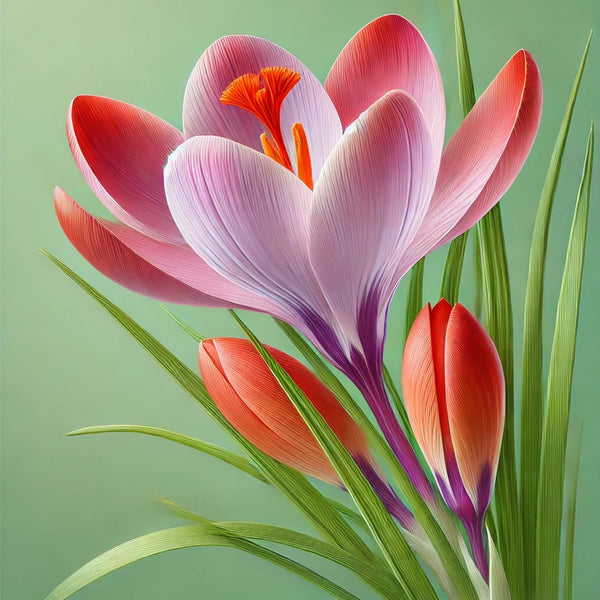


RedCrocus Fern-Foxtail Indoor Plant | Shade-Tolerant Fern for Containers & Gardens | Non-Toxic, Pet-Friendly, 2-3 ft Foliage Plant 10" Pot
RedCrocus Fern-Foxtail Indoor Plant | Shade-Tolerant Fern for Containers & Gardens | Non-Toxic, Pet-Friendly, 2-3 ft Foliage Plant 10" Pot
Regular price
$100.00 USD
Regular price
$130.00 USD
Sale price
$100.00 USD
Unit price
per
Shipping calculated at checkout.
SKU:ber8801-redcrocus
Couldn't load pickup availability
Fern- Foxtail
Description
A lush perennial with feathery fronds that add texture and elegance to any garden or indoor space. Prefers shaded areas and thrives in moist, well-draining soil.
Suggested Uses
Perfect for shaded garden beds, woodland landscapes, container plantings, and indoor green spaces.
Plant Details
-
 Botanical Name: Fern- Foxtail
 -
 Common Name: Fern- Foxtail
 -
 Size & Growth: Typically 2-3 feet tall, spreading slowly with rhizomatous growth
 -
 Hardiness Zones: 4-9
 -
 Foliage Type: Deciduous, feathery fronds
 -
 Bloom Time: Not typically flowering; valued for foliage
 -
 Growth Rate: Moderate
 -
 Light Requirements: Shade to partial shade
 -
 Attracts Pollinators: No
 -
 Indoor Friendly: Yes, suitable for shaded indoor spots
 -
 Container Friendly: Yes
 -
 Deer Resistant: Yes
 -
 Pet Warning: Non-toxic
 -
 Fragrant: No
 -
 Cut Flower: No
 -
 Grows Well With: Other shaded plants like hostas and ferns
Care Tips
-
 Planting Instructions: Plant in shaded area with moist, rich soil. Space 18-24 inches apart.
 -
 Soil Moisture: Keep evenly moist; do not allow to dry out
 -
 Soil Type: Rich, humus-rich, well-draining soil
 -
 Humidity: Prefers high humidity levels
 -
 Pruning Instructions: Remove dead fronds in early spring
 -
 Winter Care: Protect in colder zones with mulch or cover; hardy to zone 4
 -
 Planting Depth: Roots should be planted at same depth as in container
 -
 Fertilization: Apply a balanced, organic fertilizer in spring
 -
 Special Care: Maintain consistent moisture and avoid drought stress


