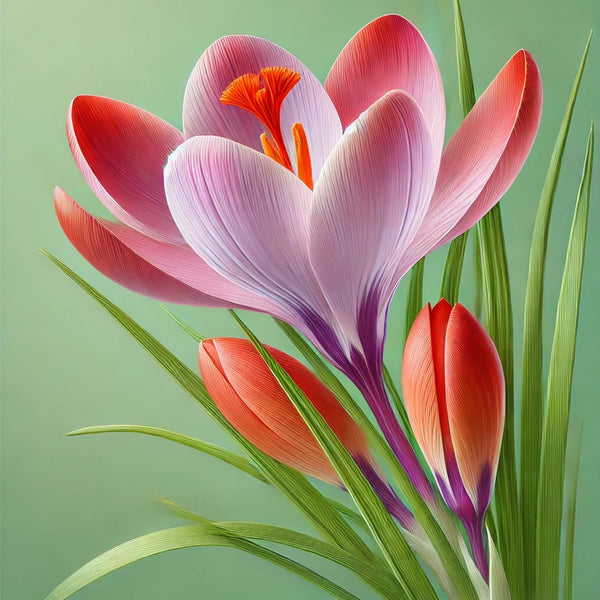
RedCrocus Live Perennial Plant – Pollinator-Friendly, Cut-Flower Ready, Great for Borders & Containers, Zones 4–9 Poinsettias available to pre-order (Pack of 2)
RedCrocus Live Perennial Plant – Pollinator-Friendly, Cut-Flower Ready, Great for Borders & Containers, Zones 4–9 Poinsettias available to pre-order (Pack of 2)
Regular price
$0.00 USD
Regular price
$0.00 USD
Sale price
$0.00 USD
Unit price
per
Shipping calculated at checkout.
SKU:ber86f5-redcrocus
Couldn't load pickup availability
Please Inquire
Versatile ornamental — details vary by species/cultivar
The entry “Please Inquire” indicates an unidentified or variable plant selection. The guidance below reflects typical, proven practices for popular garden perennials and flowering ornamentals. For precise specs, confirm species/cultivar with your supplier.
Description
A dependable landscape choice offering seasonal color and adaptable performance in a range of gardens. Expect tidy, attractive foliage and a show of blooms in the warmer months. Works well as a border accent, mass planting, or container feature. Exact height, spread, and bloom character will depend on the final, verified plant ID.
Adaptable care
Garden or container
Pollinator-friendly potential
Low-maintenance once established
Plant Details
-
 Botanical Name:
Please Inquire — final botanical identification pending.
Botanical Name:
Please Inquire — final botanical identification pending.
-
 Common Name:
Please Inquire — common name will reflect confirmed species/cultivar.
Common Name:
Please Inquire — common name will reflect confirmed species/cultivar.
-
 Size & Growth:
Typically 12–36 in tall and 12–24 in wide; upright to mounding habit. Space plants 12–24 in apart based on expected mature width.
Size & Growth:
Typically 12–36 in tall and 12–24 in wide; upright to mounding habit. Space plants 12–24 in apart based on expected mature width.
-
 Hardiness Zones:
Generally USDA Zones 4–9; verify hardiness for the exact species (some are annual in colder regions).
Hardiness Zones:
Generally USDA Zones 4–9; verify hardiness for the exact species (some are annual in colder regions).
-
 Foliage Type:
Often herbaceous perennial with deciduous foliage; may be semi-evergreen in mild climates. Leaf shape and texture vary by cultivar.
Foliage Type:
Often herbaceous perennial with deciduous foliage; may be semi-evergreen in mild climates. Leaf shape and texture vary by cultivar.
-
 Bloom Time:
Commonly spring through summer. Prompt deadheading can extend flowering where applicable.
Bloom Time:
Commonly spring through summer. Prompt deadheading can extend flowering where applicable.
-
 Growth Rate:
Moderate under average garden conditions; faster with consistent moisture and fertile, well‑drained soil.
Growth Rate:
Moderate under average garden conditions; faster with consistent moisture and fertile, well‑drained soil.
-
 Light Requirements:
Full sun to part shade. Aim for 6+ hours sun for best flowering; provide afternoon shade in hot summer regions.
Light Requirements:
Full sun to part shade. Aim for 6+ hours sun for best flowering; provide afternoon shade in hot summer regions.
-
 Attracts Pollinators:
Many varieties attract bees, butterflies, and beneficials—select single, nectar-rich forms for the best results.
Attracts Pollinators:
Many varieties attract bees, butterflies, and beneficials—select single, nectar-rich forms for the best results.
-
 Indoor Friendly:
Generally better outdoors. Indoors, provide very bright light (south/east window or grow lights) and excellent airflow.
Indoor Friendly:
Generally better outdoors. Indoors, provide very bright light (south/east window or grow lights) and excellent airflow.
-
 Container Friendly:
Yes—use a 2–5 gal pot with drainage; premium potting mix and regular feeding improve performance.
Container Friendly:
Yes—use a 2–5 gal pot with drainage; premium potting mix and regular feeding improve performance.
-
 Deer Resistant:
Varies. Aromatic, fuzzy, or bitter foliage is typically avoided; protect new plantings where pressure is high.
Deer Resistant:
Varies. Aromatic, fuzzy, or bitter foliage is typically avoided; protect new plantings where pressure is high.
-
 Pet Warning:
Toxicity varies widely by species. Keep away from pets/children until identification is confirmed; consult the ASPCA database once known.
Pet Warning:
Toxicity varies widely by species. Keep away from pets/children until identification is confirmed; consult the ASPCA database once known.
-
 Fragrant:
Some cultivars feature fragrant blooms or foliage—verify if fragrance is a priority for your planting.
Fragrant:
Some cultivars feature fragrant blooms or foliage—verify if fragrance is a priority for your planting.
-
 Cut Flower:
Often suitable for arrangements; harvest in cool morning when buds are just opening for longest vase life.
Cut Flower:
Often suitable for arrangements; harvest in cool morning when buds are just opening for longest vase life.
-
 Grows Well With: Sun: Salvia, Echinacea, Coreopsis, Nepeta, ornamental grasses. Shade: Hosta, Heuchera, Ferns, Astilbe. Choose companions with similar water/light needs.
Care Tips
-
 Planting Instructions:
Plant at the same depth as in the nursery pot. Loosen circling roots, backfill with amended soil, and water thoroughly to settle. Space based on expected mature width.
Planting Instructions:
Plant at the same depth as in the nursery pot. Loosen circling roots, backfill with amended soil, and water thoroughly to settle. Space based on expected mature width.
-
 Soil Moisture:
Keep evenly moist during establishment; avoid waterlogging. Once established, allow the top 1 in of soil to dry between waterings (frequency varies by weather and container size).
Soil Moisture:
Keep evenly moist during establishment; avoid waterlogging. Once established, allow the top 1 in of soil to dry between waterings (frequency varies by weather and container size).
-
 Soil Type:
Well-drained loam enriched with compost; pH 6.0–7.5 suits most ornamentals. Improve heavy clay with organic matter and sharp drainage.
Soil Type:
Well-drained loam enriched with compost; pH 6.0–7.5 suits most ornamentals. Improve heavy clay with organic matter and sharp drainage.
-
 Humidity:
Average outdoor humidity is ideal. Indoors, aim for 40–60% and ensure airflow to prevent fungal issues.
Humidity:
Average outdoor humidity is ideal. Indoors, aim for 40–60% and ensure airflow to prevent fungal issues.
-
 Pruning Instructions:
 Deadhead to prolong bloom. Shear lightly after flowering to refresh growth. Divide clump-forming perennials every 2–3 years in spring or fall.
-
 Winter Care:
After frost, cut back spent top growth if herbaceous. Mulch 2–3 in after the ground freezes in cold zones. Protect container roots from repeated freeze–thaw.
Winter Care:
After frost, cut back spent top growth if herbaceous. Mulch 2–3 in after the ground freezes in cold zones. Protect container roots from repeated freeze–thaw.
-
 Planting Depth:
Set crown level with surrounding soil. For bulbs/rhizomes: a general rule is 2–3× the bulb’s height deep—confirm with the specific type.
Planting Depth:
Set crown level with surrounding soil. For bulbs/rhizomes: a general rule is 2–3× the bulb’s height deep—confirm with the specific type.
-
 Fertilization:
In spring, top-dress with compost and apply a balanced, slow-release fertilizer. Avoid excess nitrogen to prevent weak, floppy growth.
Fertilization:
In spring, top-dress with compost and apply a balanced, slow-release fertilizer. Avoid excess nitrogen to prevent weak, floppy growth.
-
 Special Care:
Stake taller stems if needed, monitor for pests (aphids, mites), and harden off gradually when moving from shade to full sun.
Special Care:
Stake taller stems if needed, monitor for pests (aphids, mites), and harden off gradually when moving from shade to full sun.