

RedCrocus Blue Star Juniper - Juniperus squamata 'Blue Star' Live Plant, Dwarf Evergreen Conifer Shrub for Full Sun, Silver-Blue Foliage, Rock Garden or Container, Cold Hardy (Zones 4-8) 1 Quart Pot
RedCrocus Blue Star Juniper - Juniperus squamata 'Blue Star' Live Plant, Dwarf Evergreen Conifer Shrub for Full Sun, Silver-Blue Foliage, Rock Garden or Container, Cold Hardy (Zones 4-8) 1 Quart Pot
SKU:ber7cee-redcrocus
Couldn't load pickup availability
Juniperus ‘Blue Star’
Dwarf, steel-blue juniper with a dense, starry texture for year-round color
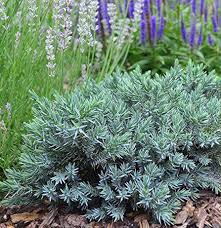
Blue Star Juniper (Juniperus squamata ‘Blue Star’) is a dwarf evergreen conifer forming a dense, rounded mound 1–2 ft tall and 2–3+ ft wide over time. Short, awl-shaped juvenile needles emerge steel-blue to silvery and hold their color through winter, creating a striking contrast with perennials and dark evergreens. Its naturally tidy habit needs little to no pruning, making it a dependable anchor in small spaces, troughs, and foundation plantings.
Best performance occurs in full sun and well-drained soil. Once established, it is notably drought tolerant and resistant to browsing, with few pest issues beyond occasional spider mites in hot, dry spells. Excellent in urban settings, coastal gardens, and xeric landscapes where dependable year-round texture is valued.
-
 Botanical NameJuniperus squamata ‘Blue Star’
-
 Common NameBlue Star Juniper
-
 Size & GrowthDwarf, mounding habit; typically 1–2 ft tall x 2–3+ ft wide in 10 years; eventually to ~3 ft x 4 ft. Slow-growing (about 2–4 in per year).
-
 Hardiness ZonesUSDA Zones 4–8 (cold hardy; heat tolerant with good drainage).
-
 Foliage TypeEvergreen conifer; short, awl-shaped juvenile needles in dense star-like sprays; steel to silvery blue year-round.
-
 Bloom TimeNon-flowering; wind-pollinated conifer with inconspicuous cones (spring).
-
 Growth RateSlow.
-
 Light RequirementsFull sun (6+ hours) for tight habit and best blue color; tolerates very light afternoon shade in hot regions.
-
 Attracts PollinatorsNo; wind-pollinated. Provides shelter/structure for wildlife rather than nectar/pollen.
-
 Indoor FriendlyNot suitable for indoor culture; requires strong sun and winter chilling outdoors.
-
 Container FriendlyExcellent for containers and troughs with sharp drainage; choose a wide, shallow pot with large drain holes.
-
 Deer ResistantYes; generally unbothered by deer and rabbits.
-
 Pet WarningConsidered non-toxic to cats and dogs, but ingestion of foliage/berries may cause mild stomach upset; foliage is prickly.
-
 FragrantFoliage has a mild, resinous scent when crushed; not grown for fragrance.
-
 Cut FlowerNot a cut flower; small sprigs may be used in winter arrangements and wreaths.
-
 Grows Well WithGrows Well With Dwarf conifers (Pinus mugo ‘Mops’), sedum, thyme, lavender, artemisia, santolina, heuchera, compact ornamental grasses—sun lovers needing excellent drainage.
-
 Planting InstructionsPlant in spring or early fall. Dig a hole 2–3× the width of the root ball and equal depth. Loosen circling roots, set crown level with the surrounding soil, and backfill with native soil amended with grit if needed. Space 2.5–4 ft apart for mature spread. Water in thoroughly.
-
 Soil MoistureKeep evenly moist the first growing season; then water deeply but infrequently. Avoid waterlogged conditions—drainage is essential.
-
 Soil TypeWell-drained sandy or loamy soils; tolerates poor, rocky soils. If clay is present, raise the planting area and incorporate coarse grit or expanded aggregate for rapid drainage. pH slightly acidic to neutral.
-
 HumidityAverage to low humidity preferred. Ensure good air flow; avoid persistently damp, shaded sites to reduce foliar disease.
-
 Pruning InstructionsMinimal pruning required. In late winter or early spring, remove dead/twiggy growth and lightly tip-prune to shape if needed. Do not cut back into old, leafless wood—junipers rarely resprout from it.
-
 Winter CareHardy to Zone 4. Water deeply before ground freeze, then mulch 2–3 in to buffer soil temperature (keep mulch off the crown). Brush off heavy, wet snow to prevent breakage. Avoid winter-wet sites.
-
 Planting DepthSet so the top of the root ball is level with or 1–2 in above the final grade (especially in heavier soils) to encourage runoff and prevent crown rot.
-
 FertilizationLight feeder. In early spring, apply a modest dose of slow‑release, balanced conifer fertilizer or a thin layer of compost. Avoid high nitrogen and late-season feeding.
-
 Special CarePrioritize drainage; use raised beds or berms if necessary. Monitor for spider mites during hot, dry weather (hose off foliage or use horticultural oil if needed). Avoid overhead irrigation and crowded shade to limit fungal issues (e.g., Phomopsis).