Skip to product information
1 of 7

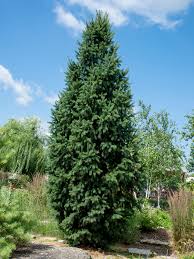
RedCrocus Picea Fastigiata Columnar Spruce Live Plant - Narrow Upright Evergreen for Entries, Small Gardens, Windbreaks, Privacy Screens 3 Gallon Nursery Pot

RedCrocus Picea Fastigiata Columnar Spruce Live Plant - Narrow Upright Evergreen for Entries, Small Gardens, Windbreaks, Privacy Screens 3 Gallon Nursery Pot

Regular price $500.00 USD
Regular price $650.00 USD Sale price $500.00 USD
Sale Sold out
Shipping calculated at checkout.

SKU:ber7a53-redcrocus

Pot Size

Picea Fastigiata

A narrow, architectural spruce prized for its tight, columnar habit and dense evergreen needles. Ideal for small gardens, entrances, and skyline accents where year‑round structure is desired.

Evergreen Conifer • Columnar Form

Description

Picea Fastigiata is a fastigiate (columnar) selection of spruce valued for its upright, space‑saving silhouette and strong central leader. Needles are short, stiff, and deep green to blue‑green, forming dense, layered sprays that read as elegant and tailored in the landscape.

Typically used as a vertical accent or to frame entries and pathways, this conifer offers four‑season structure with minimal pruning. Like most spruces, it is wind‑pollinated and produces small, inconspicuous pollen cones in spring; attractive seed cones may develop with maturity.

Plant Details

Botanical name icon
Botanical Name
Picea Fastigiata
Common name icon
Common Name
Picea Fastigiata
Size and growth icon
Size & Growth
Narrow columnar tree to about 30–40 ft tall and 6–10 ft wide at maturity; dense with a strong central leader.
Typical juvenile growth 8–12 in per year in good conditions.
Hardiness zones icon
Hardiness Zones
USDA Zones 3–7 (cold hardy; heat tolerance varies by site and moisture).
Foliage icon
Foliage Type
Evergreen conifer; short, stiff, four‑sided needles, deep green to blue‑green.
Bloom time icon
Bloom Time
Spring (inconspicuous pollen cones); seed cones may mature by late summer to fall.
Growth rate icon
Growth Rate
Moderate; about 6–12 in per year depending on climate, soil, and moisture.
Light requirements icon
Light Requirements
Full sun (6+ hours) for best density; tolerates light afternoon shade in hot summers.
Pollinators icon
Attracts Pollinators
Not a pollinator plant (wind‑pollinated); provides nesting cover for birds and habitat for beneficials.
Indoor friendly icon
Indoor Friendly
No — this is an outdoor landscape tree; requires full sun and seasonal temperature swings.
Container friendly icon
Container Friendly
Yes, when young in large containers (24 in+); best long‑term performance planted in the ground.
Deer resistant icon
Deer Resistant
Generally deer resistant; deer seldom browse mature needles but may sample tender new growth.
Pet warning icon
Pet Warning
Non‑toxic to cats and dogs; sharp needles may irritate the mouth if chewed — supervise curious pets.
Fragrance icon
Fragrant
Mild resinous scent when foliage is bruised; not notably fragrant in the garden.
Cut flower icon
Cut Flower
Not used as cut flowers; cut boughs are excellent for winter arrangements and holiday décor.
Companion plants icon
Grows Well With
Juniperus, Pinus mugo, Taxus, Berberis, Spiraea, Calamagrostis ‘Karl Foerster’, Nepeta, and Salvia.

Care Tips

Planting instructions icon
Planting Instructions
Plant in spring or early fall. Dig a hole 2–3× the width of the root ball and the same depth; set the root flare at grade, backfill with native soil, water to settle, and mulch 2–3 in, keeping mulch off the trunk.
Soil moisture icon
Soil Moisture
Keep evenly moist the first 1–2 growing seasons; once established, tolerates short dry spells but dislikes soggy soils.
Soil type icon
Soil Type
Well‑drained loam or sandy loam; slightly acidic to neutral pH (5.5–7.0). Avoid heavy, waterlogged clay.
Humidity icon
Humidity
Adaptable to low–moderate humidity; ensure good air circulation to reduce fungal issues in humid climates.
Pruning icon
Pruning Instructions
Minimal pruning needed. Maintain a single central leader; remove dead, damaged, or crossing branches in late winter. Avoid cutting back into old wood without buds.
Winter care icon
Winter Care
Very cold‑hardy. Water deeply before the ground freezes and maintain mulch. In exposed sites, a burlap windbreak for the first 1–2 winters helps prevent desiccation; avoid road‑salt spray.
Planting depth icon
Planting Depth
Set so the root flare is at or slightly above the finished soil surface. Do not bury the trunk. Container plants should be set at the same depth as in their pot.
Fertilization icon
Fertilization
Feed lightly in early spring with a slow‑release, balanced conifer fertilizer if soil is poor. In average soils, an annual top‑dress of composted mulch is sufficient. Avoid high‑nitrogen feeds after midsummer.
Special care icon
Special Care
Stake the leader if bent, especially in windy locations. Monitor for spruce spider mites and aphids; rinse foliage during drought to deter mites. Keep a 2–3 in mulch ring and avoid trunk injury.
View full details