

RedCrocus Fern Asparagus Plumosis Teepee Climbing Fern- Indoor & Outdoor Shade Plant, Feathery Foliage, Rapid Growth, Pollinator Attractor, Pet Warning, Container Friendly 1 Gallon Pot
RedCrocus Fern Asparagus Plumosis Teepee Climbing Fern- Indoor & Outdoor Shade Plant, Feathery Foliage, Rapid Growth, Pollinator Attractor, Pet Warning, Container Friendly 1 Gallon Pot
Regular price
$84.00 USD
Regular price
$109.20 USD
Sale price
$84.00 USD
Unit price
per
Shipping calculated at checkout.
SKU:ber7983-redcrocus
Couldn't load pickup availability
Fern- Asparagus Plumosis- Teepee Climbing Asparagus Fern
Description
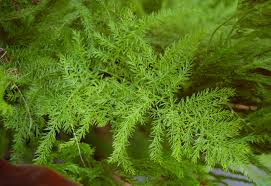
A vining, evergreen fern with delicate, feathery fronds that add a lush touch to gardens and indoor spaces. Ideal for trellises and shaded areas, it thrives in moist, well-drained soils.
Suggested Uses
Perfect for climbing on trellises, garden fences, or large containers. Its attractive foliage makes it suitable for shaded garden beds and indoor green walls.
Plant Details
-
 Botanical Name: Fern- Asparagus Plumosis- Teepee Climbing Asparagus Fern
 -
 Common Name: Fern- Asparagus Plumosis- Teepee
 -
 Size & Growth: Climbing, up to 6 feet tall, rapid growth rate
 -
 Hardiness Zones: 9-11
 -
 Foliage Type: Compound, feathery fronds
 -
 Bloom Time: Late spring to early summer
 -
 Growth Rate: Fast
 -
 Light Requirements: Partial to full shade
 -
 Attracts Pollinators: Yes, especially bees
 -
 Indoor Friendly: Yes, thrives in low light
 -
 Container Friendly: Yes
 -
 Deer Resistant: Yes
 -
 Pet Warning: Slightly toxic if ingested
 -
 Fragrant: No
 -
 Cut Flower: No
 -
 Grows Well With: Ferns, shade-loving perennials
Care Tips
-
 Planting Instructions: Plant in well-drained, shaded areas, or in containers with rich soil. Keep soil consistently moist.
 -
 Soil Moisture: Moderate; do not let dry out
 -
 Soil Type: Loamy, rich in organic matter
 -
 Humidity: Prefers humid conditions
 -
 Pruning Instructions: Remove dead fronds to encourage new growth
 -
 Winter Care: Protect from frost; bring indoors in colder zones
 -
 Planting Depth: Plant at same depth as in container or garden
 -
 Fertilization: Feed monthly during growing season with balanced fertilizer
 -
 Special Care: Keep in shaded areas to prevent leaf scorch