Skip to product information
1 of 8

RedCrocus Chamaecyparis obtusa 'Kosteri Fast Form' Hinoki Cypress - Narrow Columnar Evergreen Live Plant, Dense Fan Foliage, Low Maintenance for Small Spaces 6 Gallon Nursery Pot

RedCrocus Chamaecyparis obtusa 'Kosteri Fast Form' Hinoki Cypress - Narrow Columnar Evergreen Live Plant, Dense Fan Foliage, Low Maintenance for Small Spaces 6 Gallon Nursery Pot

Regular price $740.00 USD
Regular price $962.00 USD Sale price $740.00 USD
Sale Sold out
Shipping calculated at checkout.

SKU:ber7086-redcrocus

Pot Size

Chamaecyparis Ob. 'kosteri Fast Form'

Evergreen Conifer

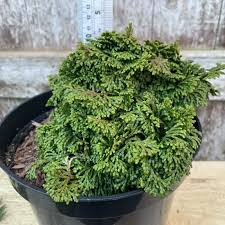
A refined, narrow Hinoki cypress selection prized for its tight, fan‑like sprays of rich green foliage and tidy, architectural silhouette. The “Fast Form” is more columnar than traditional ‘Kosteri’, making it ideal for small spaces, entry accents, and modern gardens where an upright, low‑maintenance evergreen is desired.

Narrow, upright habit Year‑round color Low maintenance Container friendly (young) Deer resistant

Description

Chamaecyparis Ob. 'kosteri Fast Form' features dense, layered foliage arranged in elegant, shell‑like fans that hold their deep green color through all seasons. Its naturally narrow, pyramidal to columnar habit stays neat with minimal pruning, providing vertical structure without overwhelming tight spaces. This cultivar thrives in evenly moist, well‑drained, slightly acidic soils and appreciates protection from harsh, drying winds. In hot summer regions, a touch of afternoon shade helps prevent foliage bronzing and maintains its lush texture.

Plant Details

Botanical name icon
Botanical Name
Chamaecyparis Ob. 'kosteri Fast Form'
Common name icon
Common Name
Chamaecyparis Ob. 'kosteri Fast Form'
Size icon
Size & Growth
Upright, narrow pyramidal habit. Approx. 8–12 ft tall × 3–5 ft wide in 10–15 years; potentially larger (to 15+ ft) over time in ideal conditions.
Zones icon
Hardiness Zones
USDA 5–8 (provide wind protection and consistent moisture in hotter or exposed sites).
Foliage icon
Foliage Type
Evergreen, scale‑like sprays in layered, fan‑shaped fronds; rich, glossy green year‑round.
Bloom time icon
Bloom Time
Not grown for flowers; inconspicuous pollen and seed cones (spring to early summer).
Growth rate icon
Growth Rate
Slow to moderate; typically 4–8 in (10–20 cm) per year with good care.
Light icon
Light Requirements
Full sun to part shade; in hot climates, provide light afternoon shade to prevent foliar scorch.
Pollinators icon
Attracts Pollinators
Low. Wind‑pollinated conifer; not a pollinator plant but offers shelter for small wildlife.
Indoor icon
Indoor Friendly
Not suited to indoor culture; best grown outdoors year‑round. Container plants may be staged outdoors only.
Container friendly icon
Container Friendly
Yes when young; use a large, drainable container and upsize every 2–3 years. Ensure consistent moisture and winter protection for pots.
Deer resistant icon
Deer Resistant
Generally deer resistant; occasional browsing may occur where pressure is high.
Pet warning icon
Pet Warning
Considered non‑toxic, but ingestion of foliage may cause mild gastrointestinal upset; discourage chewing and supervise curious pets.
Fragrance icon
Fragrant
Subtly resinous, fresh conifer scent when foliage is brushed or lightly crushed.
Cut flower icon
Cut Flower
Sprays make long‑lasting cut greenery (often 1–2 weeks) in winter and holiday arrangements.
Companions icon
Grows Well With
Japanese maples, rhododendrons/azaleas, Pieris, Heuchera, Hosta, ferns, heathers, dwarf conifers, and fine‑textured ornamental grasses.

Care Tips

Planting icon
Planting Instructions
Plant in spring or early fall. Dig a hole 2–3× as wide as the root ball and the same depth. Loosen circling roots, set with the root flare level (or slightly above heavy soils), backfill with native soil amended with compost, water deeply, and mulch 2–3 in (keep mulch off the trunk).
Moisture icon
Soil Moisture
Keep evenly moist, never water‑logged. During the first growing season, supply ~1"–1.5" water per week (rain + irrigation). Deep, infrequent watering promotes a resilient root system.
Soil icon
Soil Type
Well‑drained, loamy, slightly acidic soil (pH 5.5–6.5) enriched with organic matter. Avoid compacted or chronically wet sites; raise the planting area if drainage is marginal.
Humidity icon
Humidity
Average garden humidity is ideal. Shelter from persistent drying winds; mulch helps moderate root moisture and humidity around the plant base.
Pruning icon
Pruning Instructions
Minimal pruning needed. In late winter or early spring, lightly tip‑prune to maintain shape. Do not cut back into old, leafless wood—conifers rarely reshoot from it. Remove dead or damaged twigs as needed.
Winter care icon
Winter Care
Water thoroughly before the ground freezes; maintain a 2–3 in mulch layer. In exposed sites, protect from harsh winter winds (temporary windbreak/burlap). Container plants should be clustered and sheltered; water sparingly during thaws.
Depth icon
Planting Depth
Set the root flare at grade; in heavy clay, position the top of the root ball 0.5–1 in above the surrounding soil. Do not bury the trunk. Firm soil gently to remove air pockets and water in well.
Fertilizer icon
Fertilization
Feed lightly in early spring with a slow‑release, acid‑forming tree/shrub fertilizer at label rates. Avoid high‑nitrogen or late‑season feeding. Annual topdressing with compost improves soil health.
Special care icon
Special Care
Best with morning sun and light afternoon shade in hotter zones. Monitor for spider mites during hot, dry spells; rinse foliage or use horticultural soap if needed. Ensure excellent drainage to prevent root rot; avoid reflective heat from walls or pavement.
View full details