Skip to product information
1 of 15

RedCrocus Buxus 'Green Mountain' Boxwood Topiary Standard - Live Evergreen, Cold-Hardy, Upright Form for Entrances, Patios & Formal Beds 7 Gallon Nursery Pot

RedCrocus Buxus 'Green Mountain' Boxwood Topiary Standard - Live Evergreen, Cold-Hardy, Upright Form for Entrances, Patios & Formal Beds 7 Gallon Nursery Pot

Regular price $700.00 USD
Regular price $910.00 USD Sale price $700.00 USD
Sale Sold out
Shipping calculated at checkout.

SKU:ber7010-redcrocus

Pot Size

Buxus Green Mountain- Topiary Standard Topiary

Elegant, cold-hardy evergreen trained into a refined standard for year-round structure and formal style.

Evergreen structure Containers & entries Deer resistant Zone 4–9 hardy

Description

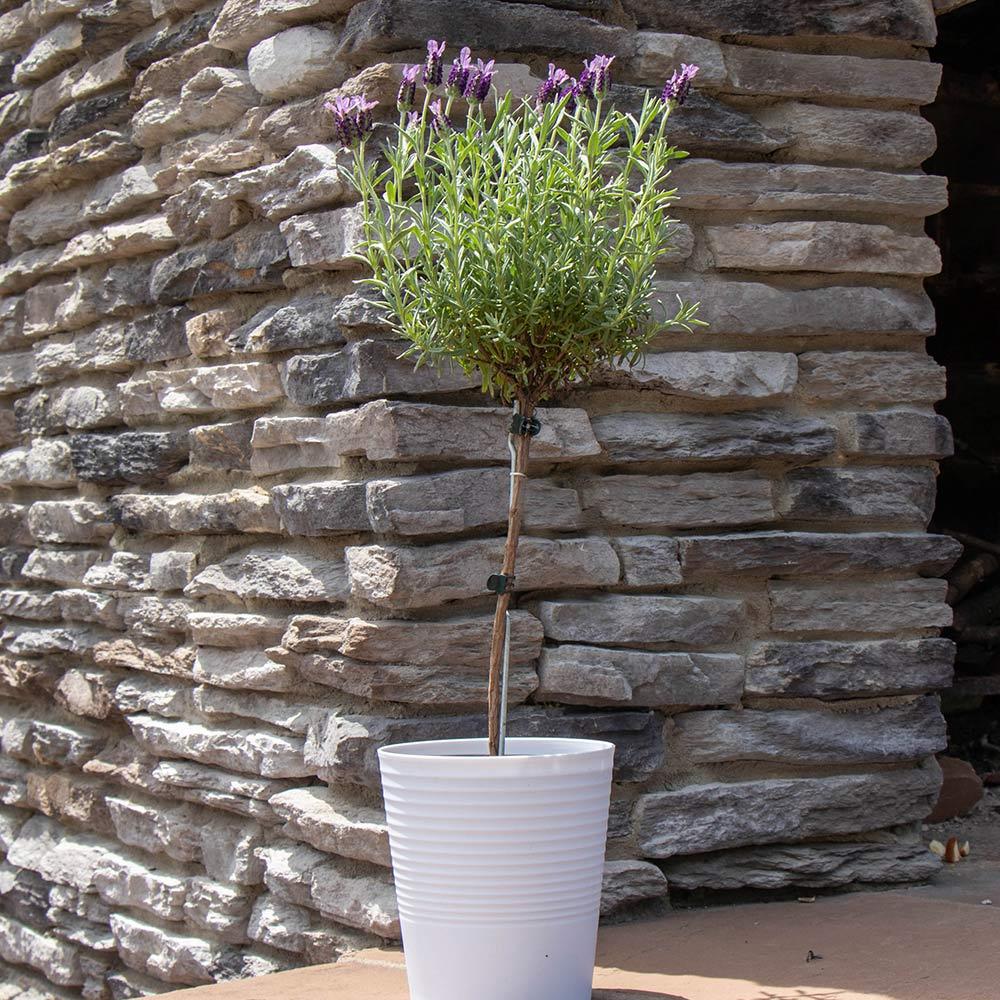
Buxus ‘Green Mountain’ is a durable hybrid boxwood prized for its naturally upright, conical habit and tight, small-leaved foliage. Trained as a standard topiary, it forms a neat, sculpted canopy atop a straight stem—perfect for adding instant architecture and year-round greenery to entrances, terraces, and formal beds.

This cultivar holds a rich green color through winter better than many boxwoods, has a slow to moderate growth rate ideal for shaping, and tolerates a wide range of soils provided they are well-drained. Discrete spring flowers offer early forage for bees. With light, periodic shearing, your standard keeps a crisp silhouette season after season.

Suggested Uses

Plant Details

Botanical Name icon
Botanical Name
Buxus Green Mountain- Topiary Standard Topiary
Common Name icon
Common Name
Buxus Green Mountain- Topiary
Size and Growth icon
Size & Growth
As a standard, canopy typically maintained 12–24 in (30–60 cm) across; overall height varies by stem (commonly 3.5–6 ft / 1–1.8 m). Natural cultivar can reach 5–7 ft over many years. Growth rate slow to moderate (approx. 3–6 in per year with good care).
Hardiness Zones icon
Hardiness Zones
USDA Zones 4–9 (protect from winter wind and reflected heat in extreme sites)
Foliage Type icon
Foliage Type
Evergreen; small, glossy, dark green leaves that hold color well with minimal winter bronzing
Bloom Time icon
Bloom Time
Early spring; inconspicuous greenish flowers
Growth Rate icon
Growth Rate
Slow to medium; ideal for topiary shaping
Light Requirements icon
Light Requirements
Full sun to part shade; best with morning sun and afternoon shade in hot summers
Attracts Pollinators icon
Attracts Pollinators
Yes — small spring blooms feed early bees
Indoor Friendly icon
Indoor Friendly
Not a houseplant; short-term display indoors is possible in a bright, cool spot
Container Friendly icon
Container Friendly
Excellent — thrives in quality, well-drained potting mix with drainage holes
Deer Resistant icon
Deer Resistant
Yes — aromatic foliage is generally avoided by deer
Pet Warning icon
Pet Warning
Mildly toxic if ingested; can cause vomiting/diarrhea — discourage chewing
Fragrant icon
Fragrant
Flowers faintly sweet; foliage has classic boxwood scent when bruised
Cut Flower icon
Cut Flower
Not for blooms; evergreen sprigs are long-lasting greenery in arrangements
Grows Well With icon
Grows Well With
Hellebores, Heuchera, Hostas, Hydrangeas, Nepeta, Lavender (in sunnier sites), and ornamental grasses

Care Tips

Planting Instructions icon
Planting Instructions
Plant with the top of the root ball level with the surrounding soil. Loosen circling roots, backfill with native soil improved with compost if needed, and water in thoroughly. Mulch 2–3 in (5–7.5 cm), keeping mulch off the stem.
Soil Moisture icon
Soil Moisture
Keep evenly moist, especially the first 1–2 growing seasons. Avoid waterlogged soil; allow the top inch to dry slightly between waterings in containers.
Soil Type icon
Soil Type
Well-drained loam or sandy loam; tolerates a range of soils. Prefers neutral to slightly alkaline pH (6.8–7.5). Improve heavy clay with grit/compost to enhance drainage.
Humidity icon
Humidity
Average outdoor humidity is ideal. Ensure good air circulation to reduce risk of boxwood blight; avoid crowding plants.
Pruning Instructions icon
Pruning Instructions
Lightly shear 2–3 times during the growing season (late spring through mid-summer) to maintain the canopy. Avoid heavy pruning late in fall. Always prune with clean, sanitized tools.
Winter Care icon
Winter Care
Water deeply before ground freeze and maintain 2–3 in mulch over roots. Shield from strong winter wind and reflected sun (burlap screen if exposed). Avoid de-icing salt splash near containers or beds.
Planting Depth icon
Planting Depth
Set the trunk flare just above soil grade; never bury the stem. In containers, keep the root ball top 0.5–1 in above the rim to allow for mulch and watering space.
Fertilization icon
Fertilization
Feed lightly in early spring with a balanced, slow‑release fertilizer (e.g., 5‑5‑5 to 10‑10‑10) or organic top-dress. Avoid heavy nitrogen to prevent soft, winter-tender growth.
Special Care icon
Special Care
Stake the standard stem if needed to keep it straight. Rotate containers quarterly for even light. Monitor for boxwood leafminer, psyllid, and blight; maintain airflow, water at the base, and avoid wetting foliage late in the day.
Note: Cultural needs can vary by microclimate and container size. Adjust water and exposure based on site conditions for best results.
View full details