

RedCrocus Blue Teardrop Black Spruce (Picea mariana) – Dwarf Blue-Needled Evergreen, Naturally Teardrop Form, Cold-Hardy Zones 2–6 – Live Landscape Accent 6 Gallon Nursery Pot
RedCrocus Blue Teardrop Black Spruce (Picea mariana) – Dwarf Blue-Needled Evergreen, Naturally Teardrop Form, Cold-Hardy Zones 2–6 – Live Landscape Accent 6 Gallon Nursery Pot
SKU:ber6f6b-redcrocus
Couldn't load pickup availability
Picea mariana ‘Blue Teardrop’
A compact, teardrop-shaped black spruce with striking blue needles and reliable cold hardiness—perfect for small gardens, rockeries, and containers.
Description
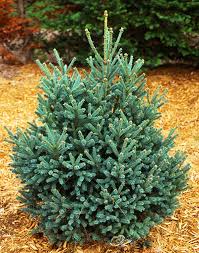
‘Blue Teardrop’ is a choice selection of black spruce distinguished by a naturally narrow, teardrop to slender-conical habit and dense, short needles washed in a cool blue to blue‑green tone. Exceptionally hardy and wind tolerant, this slow-growing cultivar adds four-season structure and color, making it a superb focal point for tight spaces, foundation beds, alpine and rock gardens, or as a container specimen in cold climates. With minimal pruning and modest nutrition needs, it is a refined, long‑lived feature for modern landscapes.
Suggested Uses
Ideal for small urban gardens, conifer collections, rock and alpine plantings, and mixed borders where year-round form and texture are desired. Its restrained size suits entryways and foundation plantings, while its strong silhouette provides winter interest. In regions with severe winters, it performs beautifully in large, insulated containers on patios or rooftops.
Plant Details
-
 Botanical NamePicea mariana ‘Blue Teardrop’
-
 Common NameBlue Teardrop black spruce
-
 Size & GrowthSlow, dwarf habit; typically 4–6 ft tall and 2–3 ft wide in 10 years; may mature to 8–10 ft over several decades. Dense, naturally teardrop to slender-conical form.
-
 Hardiness ZonesUSDA Zones 2–6; exceptionally cold hardy (to approximately −40°F / −40°C).
-
 Foliage TypeEvergreen conifer; short, four-sided needles with a blue to blue‑green cast; dense, fine texture year‑round.
-
 Bloom TimeNot grown for flowers; inconspicuous pollen/seed cones in spring. Small seed cones may persist and add subtle interest later in the season.
-
 Growth RateSlow; generally 3–6 inches (7–15 cm) per year under average garden conditions.
-
 Light RequirementsFull sun (6+ hours) for best color and density; tolerates light afternoon shade in hotter summers.
-
 Attracts PollinatorsNo—conifers are wind‑pollinated; however, the plant can provide shelter and nesting for birds and beneficial wildlife.
-
 Indoor FriendlyNot suitable as a houseplant; requires cold winters and full outdoor light to thrive.
-
 Container FriendlyExcellent in large, insulated containers for many years due to slow growth. Protect roots from extreme winter cold and freeze–thaw cycles.
-
 Deer ResistantGenerally deer resistant; browsing is uncommon but possible when food is scarce.
-
 Pet WarningNon‑toxic, but sharp needles may cause mouth or skin irritation; ingestion of needles/cones can upset pets’ stomachs—discourage chewing.
-
 FragrantNot notably fragrant in the garden; foliage has a mild resinous scent when rubbed or on warm days.
-
 Cut FlowerNot a cut‑flower plant; small sprigs are useful in winter and holiday arrangements for texture and color.
-
 Grows Well WithGrows Well With Dwarf conifers (Pinus mugo ‘Mops’, Juniperus ‘Blue Star’, Chamaecyparis pisifera cvs.), heaths and heathers (Erica, Calluna), lowbush blueberry (Vaccinium), sedums, Heuchera, Festuca glauca, creeping thyme in rock or alpine settings.
Care Tips
-
 Planting InstructionsPlant in spring or early fall. Dig a hole 2–3× the width of the root ball and only as deep; set the root flare level with or just above the surrounding soil. Loosen circling roots, backfill with native soil, water deeply, and mulch 2–3 inches, keeping mulch off the trunk.
-
 Soil MoistureKeep evenly moist the first 1–2 years (about 1 inch of water per week). Once established, tolerates brief dry spells; avoid chronic drought and avoid standing water in summer.
-
 Soil TypePrefers acidic, well‑drained sandy or loamy soils; benefits from organic matter (compost or peat) in alkaline or very lean soils. Target pH ~5.0–6.5.
-
 HumidityAverage outdoor humidity is fine. Provide airflow and avoid heat-reflective sites in the hottest climates; light afternoon shade can help in Zone 6 summers.
-
 Pruning InstructionsMinimal pruning needed. In late winter, remove dead or wayward branches. To tighten shape, lightly pinch back new “candles” by up to one‑third in late spring; avoid cutting into old, leafless wood.
-
 Winter CareExtremely hardy in ground. Water deeply before freeze and maintain a 2–3 inch mulch. In high wind or first winters, a burlap screen can prevent sun‑scald. For containers, insulate pots and place in a sheltered spot; water lightly during mid‑winter thaws.
-
 Planting DepthSet so the root flare is at soil level; the top of the root ball should sit 0.5–1 inch above grade to allow for settling and prevent crown rot.
-
 FertilizationLow feeder. In early spring, apply a light rate of slow‑release, balanced or acid‑forming fertilizer for evergreens (e.g., 8‑8‑8 to 10‑10‑10). Avoid high nitrogen and do not fertilize after midsummer.
-
 Special CareMulch annually to conserve moisture and moderate soil temperature. Avoid salt spray and highly alkaline soils. Monitor for spider mites or aphids during hot, dry weather; rinse foliage and treat if needed. Provide full sun for best blue color.