

RedCrocus Buxus 'Baby Gem' Boxwood Ball – Live Evergreen Shrub, Compact Globe Form for Low Hedges, Borders, Containers & Topiary 5 Gallon Nursery Pot
RedCrocus Buxus 'Baby Gem' Boxwood Ball – Live Evergreen Shrub, Compact Globe Form for Low Hedges, Borders, Containers & Topiary 5 Gallon Nursery Pot
Regular price
$260.00 USD
Regular price
$338.00 USD
Sale price
$260.00 USD
Unit price
per
Shipping calculated at checkout.
SKU:ber6e66-redcrocus
Couldn't load pickup availability
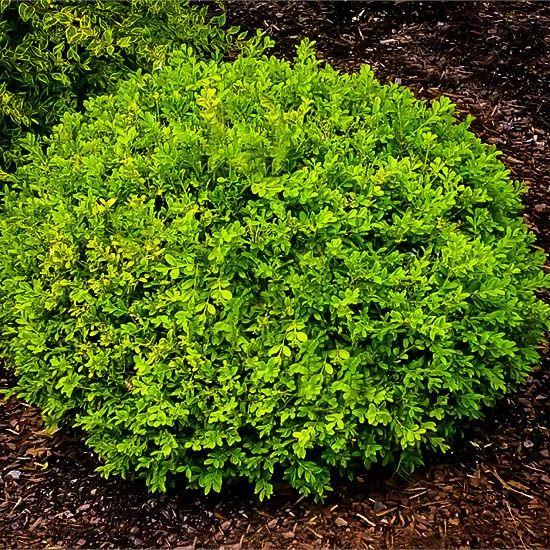
Buxus Baby Gem Ball
A compact, naturally rounded evergreen boxwood with lush, fine-textured foliage—perfect for formal structure or modern minimal borders.
Evergreen
USDA 5–9
Full Sun to Part Shade
Low Maintenance
Container Friendly
Deer Resistant
Description
Buxus Baby Gem Ball is a dwarf, globe-forming boxwood selected for its dense habit and glossy, small leaves that hold rich green color through winter. Naturally tidy without frequent shearing, it’s ideal for low hedging, parterres, knot gardens, and foundation plantings. Its refined texture pairs beautifully with flowering perennials and grasses, while its compact size makes it excellent for containers and entryway accents.
Typical mature size is about 2–3 ft tall and wide; very old plants can slowly reach a bit larger with time.
Suggested Uses
- Low formal hedges & parterres
- Foundation & walkway borders
- Accent balls in modern beds
- Topiary and shaping
- Evergreen container specimens
- Mixed borders for year-round structure
- Entryways & courtyard planters
- Knot & herb gardens
Plant Details
-
 Botanical NameBuxus Baby Gem Ball
-
 Common NameBuxus Baby Gem
-
 Size & GrowthMound forming ball; typically 2–3 ft tall x 2–3 ft wide; slow to moderate at 2–4 in/year.
-
 Hardiness ZonesUSDA 5–9; protect from winter wind/sun in the coldest zones.
-
 Foliage TypeEvergreen; small, glossy, oval leaves maintain rich green color year-round.
-
 Bloom TimeSpring (late spring); flowers are tiny and not ornamental.
-
 Growth RateSlow to moderate; naturally forms a tidy globe with minimal shearing.
-
 Light RequirementsFull sun to part shade; provide afternoon shade in hot summer regions for best color and vigor.
-
 Attracts PollinatorsLow; inconspicuous blooms may feed small insects, but not a primary pollinator plant.
-
 Indoor FriendlyNot recommended for long-term indoor culture; suitable only for short-term display in bright, cool spaces.
-
 Container FriendlyYes—excellent in pots and planters; choose a well-drained container and avoid waterlogging.
-
 Deer ResistantYes—generally avoided by deer, though no plant is completely deer-proof.
-
 Pet WarningToxic if ingested (pets and humans); may cause gastrointestinal upset—avoid chewing and keep out of reach.
-
 FragrantNo showy fragrance; foliage can have a resinous scent when touched or warmed.
-
 Cut FlowerNot typically used for cut flowers; foliage can be clipped for short-lived greenery in arrangements.
-
 Grows Well WithGrows Well With Hellebores, Heuchera, Hostas, Hydrangeas, Lavender, Roses, Salvia, Ferns, Ornamental grasses, Perennial geranium.
Care Tips
-
 Planting InstructionsDig a hole 2× the width of the root ball and same depth. Loosen circling roots, set crown level with or slightly above soil line, backfill with native soil (amend heavy clay with compost), water thoroughly, and mulch 2–3 in—keep mulch off the stems.
-
 Soil MoistureKeep evenly moist the first season; water deeply but infrequently. Once established, tolerate brief dry spells but avoid prolonged drought or soggy conditions.
-
 Soil TypeWell-drained loam to sandy/clay loam; prefers neutral to slightly alkaline pH (about 6.5–7.5). Improve drainage in compacted sites.
-
 HumidityAverage garden humidity is fine. Ensure good air circulation and avoid frequent overhead watering to limit foliar diseases.
-
 Pruning InstructionsLightly shear after the spring flush to refine the globe. You may touch up again mid-summer. Avoid heavy pruning after mid‑summer to prevent tender late growth before winter. Thin congested interior stems for airflow.
-
 Winter CareWater well before the ground freezes, apply a 2–3 in mulch blanket, and use burlap wind screens in exposed sites (Zones 5–6). Consider an anti‑desiccant in windy, low‑humidity winters. Brush off heavy wet snow.
-
 Planting DepthSet the top of the root ball level with or 0.5–1 in above the surrounding soil, especially in heavy soils. Do not bury the stem or cover the root flare.
-
 FertilizationFeed in early spring with a slow‑release balanced fertilizer (e.g., 10‑10‑10) or top‑dress with compost. Avoid high nitrogen late in the season. Periodically check pH; add lime if soil is very acidic.
-
 Special CareMonitor for boxwood leafminer, psyllid, mites, and boxwood blight. Sanitize pruning tools, remove fallen debris, water at soil level, and maintain airflow. Avoid piling mulch against stems.