

RedCrocus Thuja occidentalis Emerald Squeeze Live Plant, Compact Columnar Evergreen Arborvitae for Privacy Hedges, Entries & Containers 4" Pot
RedCrocus Thuja occidentalis Emerald Squeeze Live Plant, Compact Columnar Evergreen Arborvitae for Privacy Hedges, Entries & Containers 4" Pot
Regular price
$170.00 USD
Regular price
$221.00 USD
Sale price
$170.00 USD
Unit price
per
Shipping calculated at checkout.
SKU:ber6d40-redcrocus
Couldn't load pickup availability
Thuja Occ. Emerald Squeeze
Evergreen | Narrow Columnar Arborvitae
Compact, space-saving screen with year-round emerald color
Description
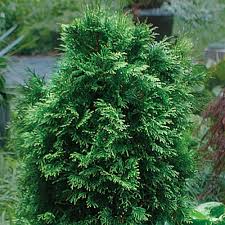
Thuja Occ. Emerald Squeeze is a slender, columnar selection of American arborvitae prized for its tight, upright habit and rich emerald-green foliage that holds color through winter. A superb choice where space is at a premium, it forms a dense, living pillar that needs little shaping. Use it to flank entries, create modern, low-footprint hedges, or add vertical punctuation to mixed borders and containers.
Narrow footprint
Year-round color
Low maintenance
Great for hedges & accents
Suggested Uses

Hedges & Screens
Tight, formal hedge with minimal pruning; space 24–36 in. apart for a solid screen.

Foundation & Entry
Elegant vertical accents for porches, gateways, and narrow side yards.

Containers
Thrives in large, well-drained containers; ideal for symmetrical pairings.

Mixed Borders
Adds four-season structure among flowering shrubs and perennials.
Plant Details

Botanical Name
Thuja occidentalis ‘Emerald Squeeze’

Common Name
Thuja Occ. Emerald Squeeze (Arborvitae)

Size & Growth
Typically 8–12 ft tall × 2–3 ft wide in 10 years; very narrow, columnar habit.

Hardiness Zones
USDA 3–8 (typical for T. occidentalis selections).

Foliage Type
Evergreen, scale-like sprays; holds vibrant emerald color year-round.

Bloom Time
Non-flowering; produces small, inconspicuous cones in late spring.

Growth Rate
Slow to moderate (approx. 6–12 in. per year with good care).

Light Requirements
Full sun to part shade; best density and color in full sun (6–8+ hrs).

Attracts Pollinators
Not a pollinator plant (wind-pollinated); provides shelter for birds and beneficials.

Indoor Friendly
No—outdoor landscape or patio containers only.
Container Friendly
Yes—performant in large planters; protect roots in severe winter cold.

Deer Resistant
No—deer often browse Thuja; use fencing or repellents where pressure is high.

Pet Warning
Generally regarded as low-toxicity; ingestion may cause mild GI upset—discourage chewing.

Fragrant
Foliage is pleasantly resinous and aromatic when brushed or crushed.

Cut Flower
Useful as long-lasting cut greenery in winter arrangements and wreaths.

Grows Well With
Boxwood, dwarf junipers, Hydrangea paniculata, Spiraea, Heuchera, and compact ornamental grasses.
Notes: Sizes and hardiness reflect typical values for compact Thuja occidentalis cultivars; performance varies by climate and care.
Care Tips

Planting Instructions
Dig a hole 2× the width of the root ball and equal depth. Set root flare level with soil. Backfill with native soil, water to settle, and mulch 2–3 in. (keep mulch off trunk).

Soil Moisture
Keep evenly moist, especially the first 1–2 years. Aim for ~1 in. water/week; avoid waterlogging.

Soil Type
Well-drained loam or sandy loam; tolerates clay with improved drainage. pH slightly acidic to neutral (≈6.0–7.5).

Humidity
Handles average outdoor humidity; protect from drying winter winds in exposed sites.

Pruning Instructions
Minimal pruning needed. Lightly shear late spring to early summer. Avoid cutting into old brown wood; preserve central leader for best form.

Winter Care
Deep water before ground freeze; apply fresh mulch. In windy/snowy sites, use burlap wrap or tie loosely to prevent splaying. Protect container roots from deep freeze-thaw cycles.

Planting Depth
Set at the same depth as in the pot; root flare at or just above finished grade for proper aeration.

Fertilization
In early spring, apply a balanced, slow-release tree/shrub fertilizer or top-dress with compost. Avoid high-N late in the season.

Special Care
Monitor for bagworms and spider mites; ensure drip irrigation in summer heat; use repellents or fencing where deer are present. Space plants for airflow: 24–36 in. for hedges, 3–4 ft for standalone spacing.