

RedCrocus Ilex Crenata 'Convexa' Japanese Holly Live Plant, Evergreen Shrub for Hedges & Borders, Dense Rounded Habit, Sun/Part Shade 1 Gallon Nursery Pot
RedCrocus Ilex Crenata 'Convexa' Japanese Holly Live Plant, Evergreen Shrub for Hedges & Borders, Dense Rounded Habit, Sun/Part Shade 1 Gallon Nursery Pot
Regular price
$60.00 USD
Regular price
$78.00 USD
Sale price
$60.00 USD
Unit price
per
Shipping calculated at checkout.
SKU:ber679f-redcrocus
Couldn't load pickup availability
Ilex Crenata Convexa
Evergreen shrub
A compact Japanese holly prized for its dense habit and distinctive, convex glossy leaves—an elegant, low-maintenance alternative to boxwood.
Hedge & Topiary Ready
Partial Sun to Full Sun
USDA Zones 6–8
Acid-Loving
Description
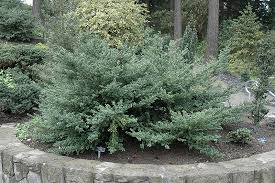
Ilex Crenata Convexa forms a dense, mounded shrub with small, convex, dark-green leaves that hold rich color through winter. It responds beautifully to pruning, making it a versatile choice for formal hedging, low borders, and clipped shapes. In late spring, inconspicuous white flowers may be followed by small black berries on female plants when a male Japanese holly is nearby for pollination. Well-suited to acidic, well-drained soils, this cultivar offers year-round structure with minimal fuss.
Suggested Uses
Reliable structure plant for classic and contemporary gardens alike.
Low hedges & edging
Foundation plantings
Topiary & cloud pruning
Mass planting
Patio containers & bonsai
Asian-inspired & woodland gardens
Coastal/urban sites (with protection)
Plant Details
-
 Botanical NameIlex Crenata Convexa
-
 Common NameIlex Crenata Convexa (Japanese holly ‘Convexa’)
-
 Size & GrowthMatures 4–6 ft tall and 5–8 ft wide; naturally dense, rounded habit; readily shaped by light shearing.
-
 Hardiness ZonesUSDA 6–8 (may persist in sheltered Zone 5 sites with protection).
-
 Foliage TypeEvergreen; small, convex, glossy dark-green leaves that hold color through winter.
-
 Bloom TimeLate spring; flowers are small and inconspicuous. Female plants may produce small black berries with a male pollinator nearby.
-
 Growth RateSlow to moderate (approximately 6–9 inches per year under good conditions).
-
 Light RequirementsFull sun to partial shade; 4–6+ hours of sun. In hot summers, some afternoon shade is beneficial.
-
 Attracts PollinatorsSpring blossoms attract bees and small pollinators; occasional berries may feed birds.
-
 Indoor FriendlyNot recommended as a houseplant; best grown outdoors year-round. Short-term indoor display is possible in cool, bright conditions.
-
 Container FriendlyExcellent in patio containers and for bonsai; protect roots in winter in colder zones (insulate or overwinter in a sheltered spot).
-
 Deer ResistantGenerally deer-resistant; may be sampled if browsing pressure is high, but rarely a favorite food source.
-
 Pet WarningIngestion of foliage or berries may cause mild gastrointestinal upset in pets—discourage chewing and supervise around berries.
-
 FragrantNot notably fragrant; flowers are subtle and primarily valued by pollinators.
-
 Cut FlowerSprigs are useful in winter arrangements and wreaths; not used as a traditional cut flower.
-
 Grows Well WithGrows Well With Azalea, Camellia, Pieris, Rhododendron, Heuchera, Hosta, Ferns, Hydrangea, and other acid-loving companions.
Care Tips
-
 Planting InstructionsPlant in spring or early fall. Position in well-drained, acidic soil; space based on mature width (2–3 ft apart for tight hedges). Loosen circling roots, set the root flare level with the soil, water deeply, and mulch 2–3 inches, keeping mulch off the stem.
-
 Soil MoistureKeep evenly moist the first growing season; avoid waterlogged conditions. Once established, tolerates brief dry spells but prefers consistent moisture.
-
 Soil TypeAcidic (pH 5.0–6.5) loam or sandy loam with excellent drainage. Amend heavy or alkaline soils with organic matter; chlorosis can occur in high pH soils.
-
 HumidityAverage outdoor humidity is sufficient. Provide shelter from drying winter winds, especially in exposed or colder sites.
-
 Pruning InstructionsLightly shear after the spring flush (late spring to early summer) to maintain form. A second light trim in midsummer is fine. Avoid heavy pruning after August. Remove dead or crossing stems in late winter.
-
 Winter CareMulch the root zone and water well before the ground freezes. In windy, exposed sites, use burlap screening to reduce desiccation. Container plants benefit from pot insulation or sheltered overwintering.
-
 Planting DepthSet the top of the root ball 1–2 inches above surrounding grade to enhance drainage; do not bury the trunk flare.
-
 FertilizationFeed in early spring with a slow-release, acid-forming fertilizer (holly/camellia/azalea type) per label rates. Supplement chelated iron if leaves show yellowing from high pH soils.
-
 Special CareEnsure good drainage to prevent root rot; monitor for spider mites and scale in hot, dry weather. For berries, grow a male Ilex crenata nearby. Avoid frequent high-pH irrigation or heavy salt exposure.