

RedCrocus Raywood Weeping Arizona Cypress (Cupressus glabra) Live Evergreen Tree, Blue-Green Foliage, Drought & Heat Tolerant, Fragrant, Specimen Landscape Accent 6 Gallon Nursery Pot
RedCrocus Raywood Weeping Arizona Cypress (Cupressus glabra) Live Evergreen Tree, Blue-Green Foliage, Drought & Heat Tolerant, Fragrant, Specimen Landscape Accent 6 Gallon Nursery Pot
Regular price
$600.00 USD
Regular price
$780.00 USD
Sale price
$600.00 USD
Unit price
per
Shipping calculated at checkout.
SKU:ber670f-redcrocus
Couldn't load pickup availability
Cupressus Glabra Raywood Weeping
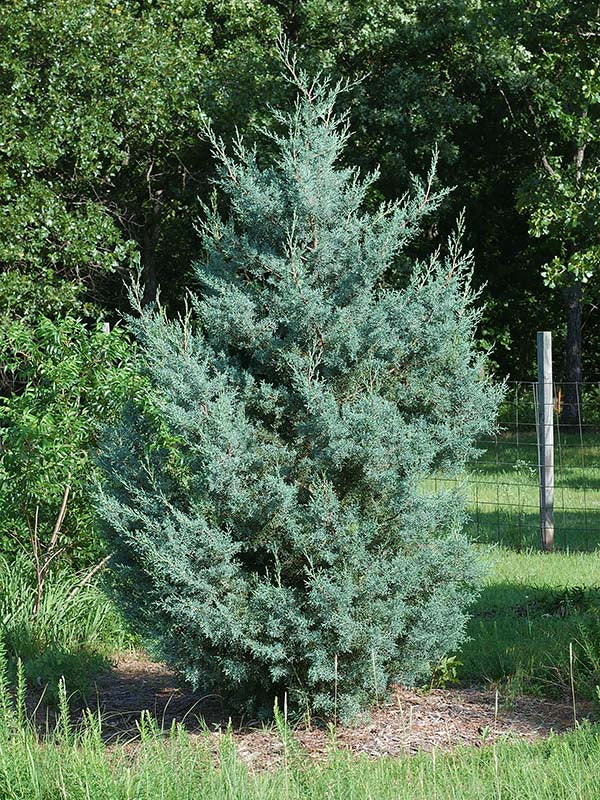
Graceful, weeping Arizona cypress with glaucous blue-green evergreen foliage
Evergreen Conifer
USDA 7–9
Full Sun
Drought Tolerant (Established)
Description
Cupressus Glabra Raywood Weeping is a striking, narrow-pyramidal selection of Arizona cypress noted for its elegant, pendulous branchlets and softly cascading, plume-like sprays of foliage. The evergreen needles are scale-like and glaucous blue-green, providing year-round color that intensifies in full sun. Highly heat- and drought-adapted once established, this tree makes a refined architectural statement as a specimen or accent, with pleasantly resinous, citrusy fragrance when the foliage is brushed or crushed. Bark on older stems develops attractive exfoliating, cinnamon-brown tones, adding off-season interest.
Suggested Uses
Specimen / Focal Accent
Waterwise & Mediterranean Gardens
Coastal & Wind‑tolerant Landscapes
Narrow Screens & Vertical Interest
Modern / Architectural Plantings
Large Patio Containers (temporary)
Wildlife Cover & Structure
Cut Greens for Arrangements
Plant Details

Botanical Name
Cupressus Glabra Raywood Weeping

Common Name
Cupressus Glabra Raywood Weeping

Size & Growth
20–30 ft H × 8–12 ft W in 10–15 years; ultimately 30–40 ft H × 12–15 ft W; narrow pyramidal with graceful, weeping branchlets

Hardiness Zones
USDA 7–9 (heat- and drought-adapted once established)

Foliage Type
Evergreen, scale-like sprays; glaucous blue‑green, aromatic, pendulous texture

Bloom Time
Non‑flowering ornamental; wind‑pollinated; pollen shed late winter to early spring; small rounded cones form thereafter

Growth Rate
Moderate to fast when young (up to ~1–2 ft per year in favorable conditions)

Light Requirements
Full sun (6+ hours daily) for best color, density, and habit

Attracts Pollinators
Not a pollinator plant (wind‑pollinated); offers shelter and nesting cover for birds

Indoor Friendly
No — requires full sun and outdoor conditions; not suited to indoor culture

Container Friendly
Yes, in large, well‑drained containers for several years; long‑term best in the ground

Deer Resistant
Generally deer resistant due to aromatic foliage

Pet Warning
Typically non‑toxic; ingestion of resinous foliage or cones may cause mild GI upset — discourage chewing

Fragrant
Yes — foliage releases a pleasant resinous, citrusy scent when handled

Cut Flower
Not a cut flower; stems/greens are excellent for seasonal arrangements and wreaths

Grows Well With
Lavender, rosemary, Salvia, santolina, cistus (rockrose), artemisia, westringia, agave, yucca, and drought‑tolerant ornamental grasses
Care Tips

Planting Instructions
Plant in full sun; space for mature width. Dig hole 2–3× root ball width, same depth. Set root flare slightly above grade, backfill with native soil, water to settle. Stake the first season in windy sites.

Soil Moisture
Keep evenly moist (not soggy) during the first 1–2 growing seasons. Once established, water deeply but infrequently during extended drought.

Soil Type
Prefers well‑drained sandy or loamy soils; tolerates rocky and alkaline sites. Avoid compacted or waterlogged clay.

Humidity
Best in dry to moderate humidity. Provide excellent air movement in humid climates to reduce canker risk.

Pruning Instructions
Minimal pruning required. Lightly shape and remove dead/damaged or crossing wood in late winter. Maintain a single leader; avoid heavy shearing or cutting into old, leafless wood.

Winter Care
Hardy in USDA 7–9. Mulch 2–3 in over the root zone in late fall. Protect young trees from desiccating winds; avoid late‑season fertilizing or major pruning.

Planting Depth
Set so the root flare is level with or 1–2 in above surrounding soil. Do not bury the trunk; remove wrapping from the top and sides of the root ball before backfilling.

Fertilization
Light feeder. In early spring, apply a modest amount of slow‑release, balanced fertilizer if growth appears weak. Avoid high‑nitrogen formulas that push soft growth.

Special Care
Prioritize drainage and avoid chronic overwatering. Space for airflow; monitor for cypress canker and prune out infected twigs. Stake young trees for straight leaders; refresh mulch annually.