

RedCrocus Mountain Pepper (Drimys Lancelota) Live Plant – Edible Tasmanian Pepper, Evergreen Shade Shrub for Containers, Hedges & Woodland Gardens 1 Gallon Nursery Pot
RedCrocus Mountain Pepper (Drimys Lancelota) Live Plant – Edible Tasmanian Pepper, Evergreen Shade Shrub for Containers, Hedges & Woodland Gardens 1 Gallon Nursery Pot
SKU:ber65e2-redcrocus
Couldn't load pickup availability
Drimys Lancelota Mountain Pepper
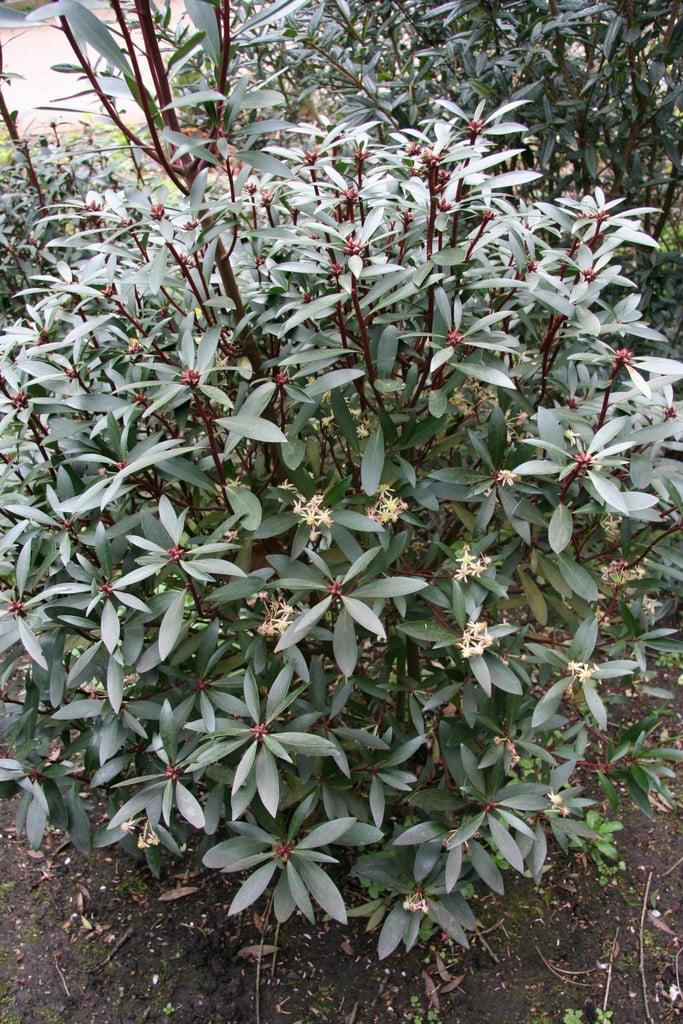
An aromatic, evergreen shrub prized for glossy foliage, creamy spring blossoms, and spicy pepperberries. Often marketed as Drimys; botanically aligned with Tasmannia lanceolata (Tasmanian pepperberry). Ideal for cool, moist, partially shaded gardens and edible landscaping.
Description
Drimys Lancelota Mountain Pepper is a cool‑climate, evergreen shrub native to the temperate rainforests of southeastern Australia and Tasmania. Grown for its glossy, lance‑shaped leaves and clusters of small, cream‑white spring flowers, it also produces highly aromatic peppery berries on female plants when a male is present. It thrives in humus‑rich, acidic soils with consistent moisture and protection from hot, drying winds. Its neat habit and flavorful foliage make it as at home in a shade border as it is in an edible garden or large container.
Note: This plant is dioecious—separate male and female plants are required for fruit set.
Suggested Uses
-
 Container SpecimenPerforms well in large pots on shaded patios and balconies.
 -
 Edible LandscapingLeaves and ripe berries used as a peppery, native spice (use sparingly).
 -
 Hedge or ScreenDense, easily tip‑pruned shrub for informal hedges in partial shade.
 -
 Woodland & Shade GardensUnderstory planting among ferns, camellias, and rhododendrons.
 -
 FloristryGlossy foliage and berry‑laden stems add texture to arrangements.
 -
 Habitat PlantingNectar for small pollinators; berries provide seasonal food for birds.
Plant Details
-
 Botanical NameDrimys Lancelota Mountain Pepper
-
 Common NameDrimys Lancelota; also sold as Tasmanian Pepper, Mountain Pepper
-
 Size & Growth6–12 ft tall (1.8–3.5 m) × 4–8 ft wide (1.2–2.4 m); slow to moderate; easily kept smaller with light pruning.
-
 Hardiness ZonesUSDA 8–10 (7b in sheltered sites); tolerates about 15°F / −9°C with protection.
-
 Foliage TypeEvergreen, leathery, lance‑shaped leaves; aromatic when crushed; new growth often flushed red in cool weather.
-
 Bloom TimeLate spring to early summer; small, creamy‑white, lightly scented flowers.
-
 Growth RateSlow to moderate; faster in cool, moist, fertile sites.
-
 Light RequirementsPartial shade to dappled sun; avoid harsh afternoon sun and hot, drying winds.
-
 Attracts PollinatorsBees and hoverflies visit blooms; birds relish ripe berries on female plants.
-
 Indoor FriendlyCan be grown indoors in bright, cool conditions with high humidity; not suited to hot, dry rooms.
-
Container FriendlyYes—use a large pot with acidic, moisture‑retentive, free‑draining mix.
-
 Deer ResistantModerately deer resistant due to aromatic foliage; protection may be needed in high‑pressure areas.
-
 Pet WarningLeaves/berries used as a culinary spice for humans; may cause GI upset in pets if chewed—discourage ingestion.
-
 FragrantFoliage strongly aromatic and peppery when crushed; flowers lightly scented.
-
Cut FlowerExcellent cut foliage; fruiting stems provide unique texture and color in arrangements.
-
 Grows Well WithGrows Well With Camellia, Rhododendron, Hellebore, Correa, Ferns (Athyrium), Lomandra, Pieris, Daphne.
Care Tips
-
 Planting InstructionsPlant in spring or autumn in partial shade, sheltered from hot winds. Space 3–5 ft (0.9–1.5 m) for hedges. For berries, include a male near female plants. Water in thoroughly and mulch 2–3 in (5–8 cm).
-
 Soil MoistureKeep evenly moist but never waterlogged. Do not allow root zone to fully dry; maintain mulch to conserve moisture.
-
 Soil TypeHumus‑rich, acidic to neutral, free‑draining sandy loam (ideal pH 5.5–6.5). Amend with compost, pine bark, and leaf mold.
-
 HumidityPrefers cool, humid air. In heatwaves, mist foliage in mornings and provide extra shade for container plants.
-
 Pruning InstructionsLightly tip‑prune after flowering/fruiting to shape and encourage bushiness. Remove dead or crossing branches; avoid hard cuts into old wood.
-
 Winter CareMulch root zone before hard frosts. Shelter from freezing winds. In climates colder than zone 8, overwinter containers in a bright, frost‑free space (35–50°F / 2–10°C).
-
 Planting DepthSet at the same depth as the nursery pot; crown level with soil surface. Do not bury stems. Stake lightly in windy sites.
-
 FertilizationIn spring, apply a slow‑release, acid‑loving fertilizer at label rates. Supplement with seaweed or fish emulsion monthly during active growth. Avoid lime.
-
 Special CareDioecious—plant 1 male for every 4–6 females for berries. Protect young plants from frost and hot sun. Use rainwater where tap water is hard. Monitor for scale/sooty mold and treat early.