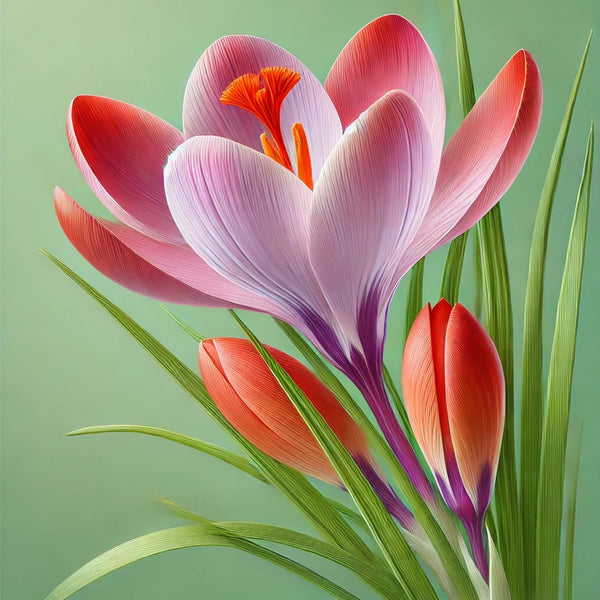


RedCrocus Medinilla Myrianta (Malaysian Orchid) Live Tropical Houseplant with Cascading Blooms, Bright Indirect Light, Indoor Display or Shaded Patio, USDA 10-11 10" Pot
RedCrocus Medinilla Myrianta (Malaysian Orchid) Live Tropical Houseplant with Cascading Blooms, Bright Indirect Light, Indoor Display or Shaded Patio, USDA 10-11 10" Pot
Regular price
$150.00 USD
Regular price
$195.00 USD
Sale price
$150.00 USD
Unit price
per
Shipping calculated at checkout.
SKU:ber64c9-redcrocus
Couldn't load pickup availability
Medinilla Myrianta Malaysian Orchid
Tropical Houseplant
An elegant tropical shrub with cascading pink panicles and glossy evergreen foliage.
Description
Medinilla Myrianta Malaysian Orchid is a refined, tropical Medinilla prized for its arching sprays of soft pink flowers that mature to clusters of deep purple berries. Thick, leathery, veined leaves create a sculptural, evergreen canopy that looks luxurious year‑round. In bright, filtered light and high humidity, this epiphytic shrub performs beautifully indoors as a statement plant, or outdoors in frost‑free, shaded gardens.
Bright, filtered light
High humidity
Evergreen foliage
Showy, pendant blooms
Suggested Uses
- Feature houseplant for bright, indirect light rooms, atriums, and sunrooms.
- Shaded patio container or covered lanai in USDA 10–11; displays best on a pedestal or plant stand to show off cascading blooms.
- Tropical understory plant in protected, frost‑free gardens with consistent humidity.
- Exotic floral accents: cut panicles for dramatic arrangements.
- Companion for humidity‑loving plants like orchids, anthuriums, and ferns.
Tip: Allow flower trusses to hang freely by giving the plant some elevation. Avoid hot afternoon sun to prevent leaf scorch.
Plant Details
-
 Botanical NameMedinilla Myrianta Malaysian Orchid
-
 Common NameMedinilla Myrianta; often marketed as “Malaysian Orchid” Medinilla
-
 Size & Growth3–6 ft (0.9–1.8 m) tall and 2–4 ft (0.6–1.2 m) wide in containers; larger in-ground in the tropics. Upright to gently arching shrub with pendant bloom trusses.
-
 Hardiness ZonesUSDA 10–11 (frost tender). Ideal temps 65–80°F (18–27°C); protect below 55°F (13°C).
-
 Foliage TypeEvergreen; thick, leathery, glossy leaves with prominent veining; opposite arrangement.
-
 Bloom TimeLate spring to summer indoors; in ideal tropical conditions may flower more than once per year. Pink panicles followed by purple berries.
-
 Growth RateModerate in warm, bright conditions; slows notably in low light or cool temperatures.
-
 Light RequirementsBright, filtered light; 2–4 hrs gentle morning sun or bright shade. Avoid harsh midday sun to prevent scorch.
-
 Attracts PollinatorsYes when grown outdoors in the tropics—visited by bees and butterflies; showy berries may interest birds.
-
 Indoor FriendlyExcellent specimen houseplant with high humidity and steady warmth; avoid drafts and heat vents.
-
 Container FriendlyThrives in well‑drained containers; prefers to be slightly root‑bound. Elevate to showcase pendant blooms.
-
 Deer ResistantGenerally unbothered by deer where grown outdoors, but not guaranteed; best in protected sites.
-
 Pet WarningNot known to be toxic, but ingestion may cause mild stomach upset. Keep out of reach of pets and children.
-
 FragrantNot typically fragrant; grown for its showy trusses and berries rather than scent.
-
 Cut FlowerYes—cut panicles for exotic arrangements; condition stems and avoid crushing to extend life (5–7 days).
-
 Grows Well WithGrows Well With Phalaenopsis & Dendrobium orchids, Anthurium, Hoya, Calathea/Goeppertia, ferns, Peperomia, Aglaonema—plants that enjoy bright shade and humidity.
Care Tips
-
 Planting InstructionsUse a pot 1–2 in (2.5–5 cm) wider than the current one with ample drainage. Set the crown at the soil line (do not bury stems). Best repotted in late spring after flowering; gently tease roots and stake if needed to support pendant trusses.
-
 Soil MoistureKeep evenly moist but never soggy. Water thoroughly when the top 1 in (2–3 cm) dries; allow excess to drain. Use rain, distilled, or filtered water if your tap water is hard/salty.
-
 Soil TypeAiry, epiphytic mix: roughly 40% fine orchid bark, 30% coco coir or peat‑free substrate, 20% perlite/pumice, 10% compost. Slightly acidic pH 5.5–6.5.
-
 HumidityHigh humidity 60–80% is ideal. Group plants, use a humidifier, or pebble tray. Provide gentle air movement; avoid misting flowers directly to prevent spotting.
-
 Pruning InstructionsAfter flowering, remove spent trusses at their base. Lightly tip‑prune to shape and encourage branching. Sanitize tools; avoid hard pruning into old wood all at once.
-
 Winter CareProvide the brightest filtered light available; keep above 60°F (16°C). Reduce watering, maintain humidity, and pause fertilizing until days lengthen. Protect from drafts and heat vents.
-
 Planting DepthPlant at the same depth as the root ball with the crown level to slightly high. In the ground (tropics), set on a slight mound to enhance drainage; keep mulch away from stems.
-
 FertilizationFeed spring–summer every 2–4 weeks with a balanced, complete liquid fertilizer at half strength; alternate monthly with a bloom‑support fertilizer low in phosphorus but with adequate potassium. Flush the mix quarterly to prevent salt buildup.
-
 Special CareProvide bright shade and stability—avoid frequent repotting; step up only when roots fill the pot (every 2–3 years). Rotate monthly for even growth; wipe leaves to keep pores clear. Watch for mealybugs/scale/spider mites; treat early with horticultural soap or neem. Propagate from semi‑ripe cuttings with bottom heat.


